The Little Rebellion
The social feed — little posts written here and everything syndicated elsewhere, in one stream.
-
Optimizing Sickness
Perhaps the least optimized way to spend your time is evaluating whether the present moment is sufficiently optimized.
This type of thinking can become pathological, and it doesn’t stop with time. It can extend to everything. 👇
Sure sure, Abe Lincoln, if you had an hour to chop down a tree you’d spend 45 minutes sharpening your axe. Here’s what you won’t be doing: Thinking about whether it would actually be more optimal to spend 44 or 46 minutes.
“Am I doing this right?” is a good instinct. It comes from curiosity and humility, a desire to do better, but this question informs more than 8% (or 11%) of your time, you’re decidedly not doing it right.
You probably aren’t having much fun either.
Does this mean ceasing the quest for knowledge, taking courses, optimizing? Of course not. It just means leave those things where they are. When you step out of them, you’re stepping on to the stage, on to the field.
Arrive where you are, as you are.
When you allow optimization sickness to take over your thinking, it can begin to eat its way into places that are at best goofy and at worst deeply sad.
You see talk from people about optimizing their friends: Are they friends with people who “make them better”?
Yuck.
The place in my life where this thinking has reared its ugly head is “Am I optimally spending time with my kids? Are we doing the correct activities? Am I balancing the right amount of loveydove and discipline? The right amount of novelty and familiarity?
I will continue to seek to be a better parent, but when I’m with my kids? Fuck this thinking. It is the least optimal way to be with them. I need to be present, attentive, listening, feeling, smelling, just being here.
Optimization is the furthest thing from this.
When you’re used to living in the tepid soup of optimization, it can be hard to break free, but one trick that helps me is becoming aware of how deeply uninteresting it is next to real sensations.
It’s like licking a postage stamp depicting ice cream vs. eating actual ice cream.
-
Optimizing Sickness
I wrote about the least optimal way to spend your time.
Perhaps the least optimized way to spend your time is evaluating whether the present moment is sufficiently optimized.
This type of thinking can become pathological, and it doesn’t stop with time. It can extend to everything. 👇
Sure sure, Abe Lincoln, if you had an hour to chop down a tree you’d spend 45 minutes sharpening your axe. Here’s what you won’t be doing: Thinking about whether it would actually be more optimal to spend 44 or 46 minutes.
“Am I doing this right?” is a good instinct. It comes from curiosity and humility, a desire to do better, but this question informs more than 8% (or 11%) of your time, you’re decidedly not doing it right.
You probably aren’t having much fun either.
Does this mean ceasing the quest for knowledge, taking courses, optimizing? Of course not. It just means leave those things where they are. When you step out of them, you’re stepping on to the stage, on to the field.
Arrive where you are, as you are.
When you allow optimization sickness to take over your thinking, it can begin to eat its way into places that are at best goofy and at worst deeply sad.
You see talk from people about optimizing their friends: Are they friends with people who “make them better”?
Yuck.
The place in my life where this thinking has reared its ugly head is “Am I optimally spending time with my kids? Are we doing the correct activities? Am I balancing the right amount of loveydove and discipline? The right amount of novelty and familiarity?
I will continue to seek to be a better parent, but when I’m with my kids? Fuck this thinking. It is the least optimal way to be with them. I need to be present, attentive, listening, feeling, smelling, just being here.
Optimization is the furthest thing from this.
When you’re used to living in the tepid soup of optimization, it can be hard to break free, but one trick that helps me is becoming aware of how deeply uninteresting it is next to real sensations.
It’s like licking a postage stamp depicting ice cream vs. eating actual ice cream.
-
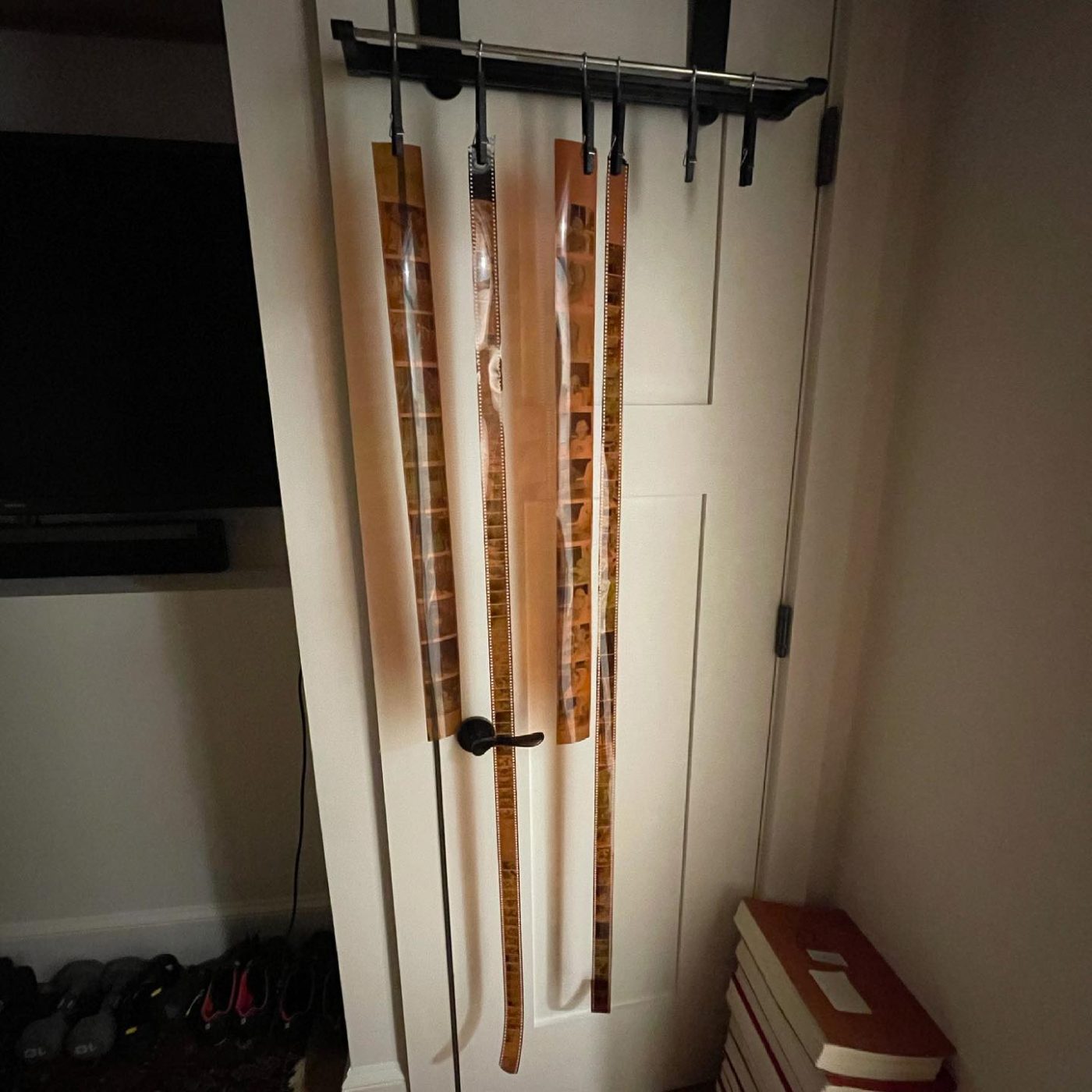
Okay, so my first go at home color developing had a couple mistakes in it, but I love the mistakes even MORE!

-
First color negatives developed at home.
-
Falling Back in Love With Photography
I can’t tell you how nice it has been to fall back in love with photography after getting pretty numbed out through many years doing it professionally.
I would urge anyone in the same boat to seriously consider taking another look at film photography. 👇
Film photography is
- (way) more fun than digital,
- better quality than digital for almost everything, and
- significantly less expensive than digital (yeah you heard me)
Supporting evidence for my claims is way too overwhelming to cover, but here are a few points:
Lack of constraints is terrible for creativity. Unlimited, automatically-exposed images that you can check immediately upon shooting (photographers refer to this as “chimping”) creates an unaware, disembodied, screen-centered photography experience.
Knowing you’ve only got a limited number of shots makes you take them with much greater care, and not being able to chimp keeps you in the moment, seeing, experiencing.
And don’t even get me started on editing.
Going through hundreds of digital images is anxiety-producing, tedious, and soul-draining, comparing slight differences between 25 of the same shot to figure out which one is the keeper… We end up with thousands of unedited photos in our backlog that never see the light of day.
With film, the editing experience is the exact opposite: You can’t wait to see your developed images. Each keeper feels like a gift from the gods. There is intense excitement and joy every step (the feeling is even better when you develop yourself).
Pretty much every improvement in camera manufacture and editing software is designed to make our images look more like film… Just shoot film to begin with.
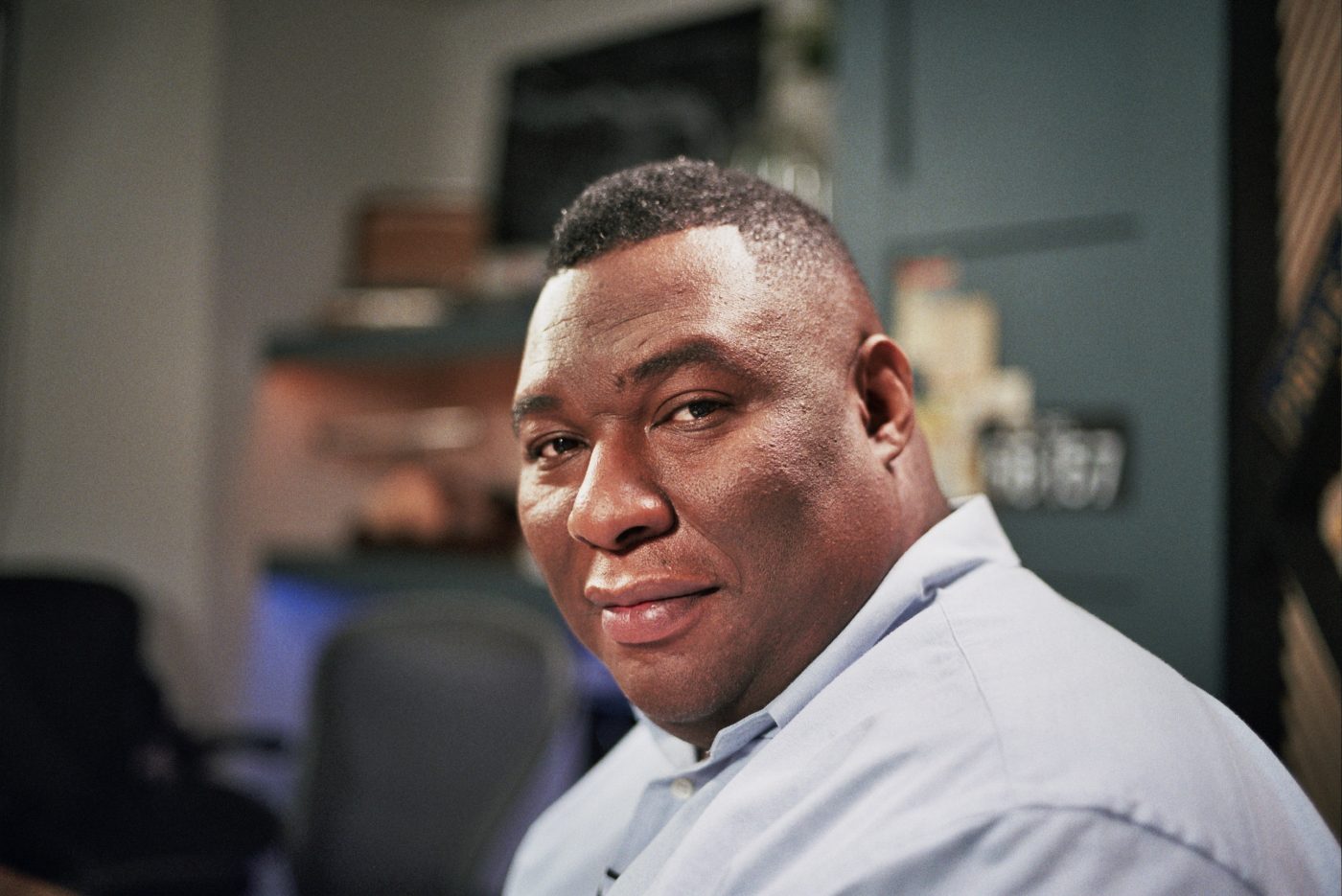
Here’s a film shot followed by the digital version with some editing. The digital setup cost 3x as much.
Yes, film photography is way cheaper. You can get an incredible camera a) with lenses, b) that’s already lasted 50 years and c) will last another 50, for <$200.
The best bargain out there right now is the Olympus OM-1, by the way. It’s… amazing. https://www.youtube.com/watch?v=LH_c4qqk2ns
A “full-frame digital” equivalent (it won’t even be half as good) with lenses will start at $3,000 and will be broken or obsolete in less than 10 years, and I’m being being charitable.
Digital photography is a trap, and this is from a guy who owns a lot of digital cameras (which have their place/uses, just not for maximizing the enjoyment of photography).
One of my favorite cameras is this little half-frame Olympus Pen from the 1950s that I got for less than $100. It’s got a beautiful lens, fits in a jacket pocket, takes 72 shots per roll, and like most of my film cameras, needs no battery. https://www.youtube.com/watch?v=9is6LLg6yRI
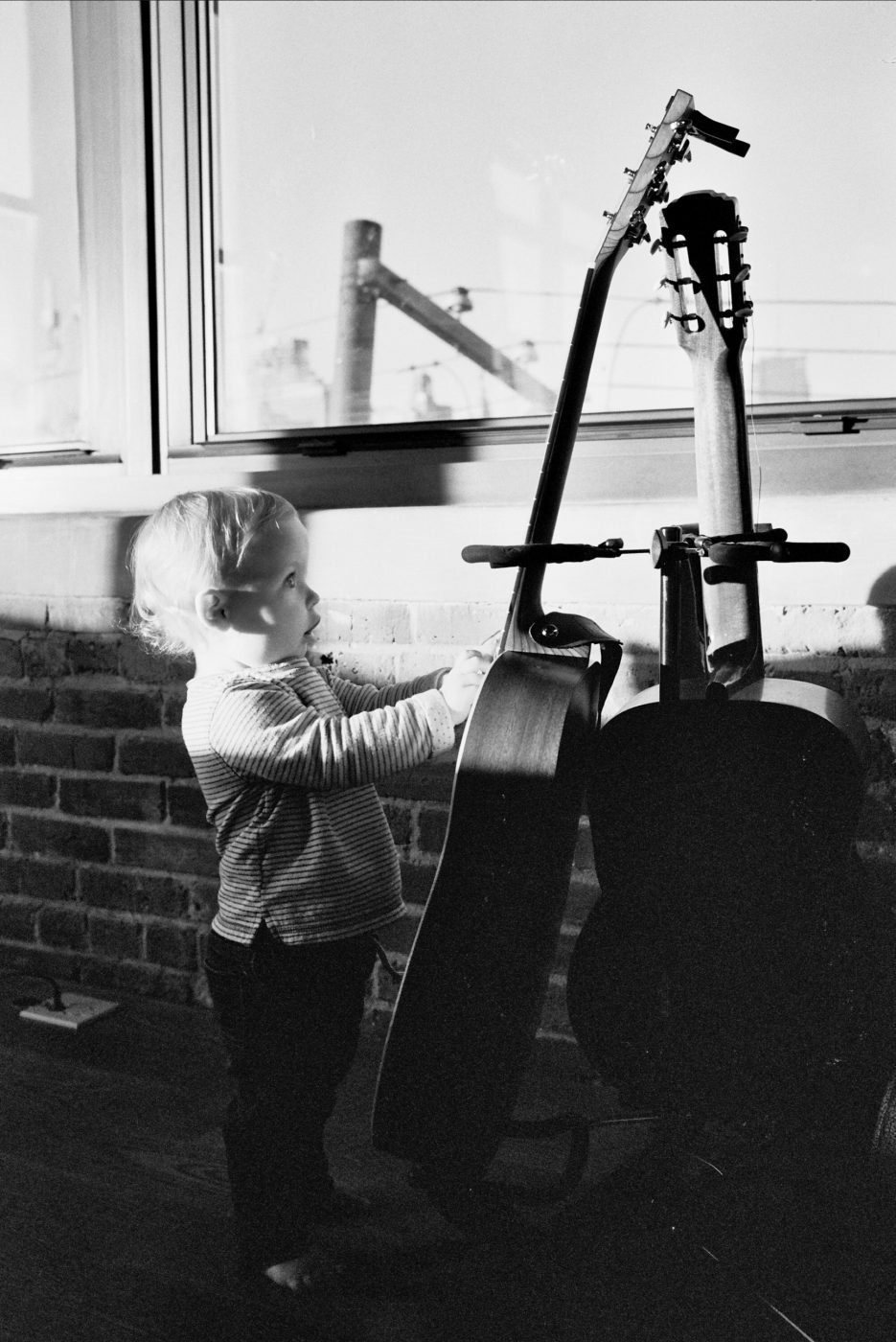
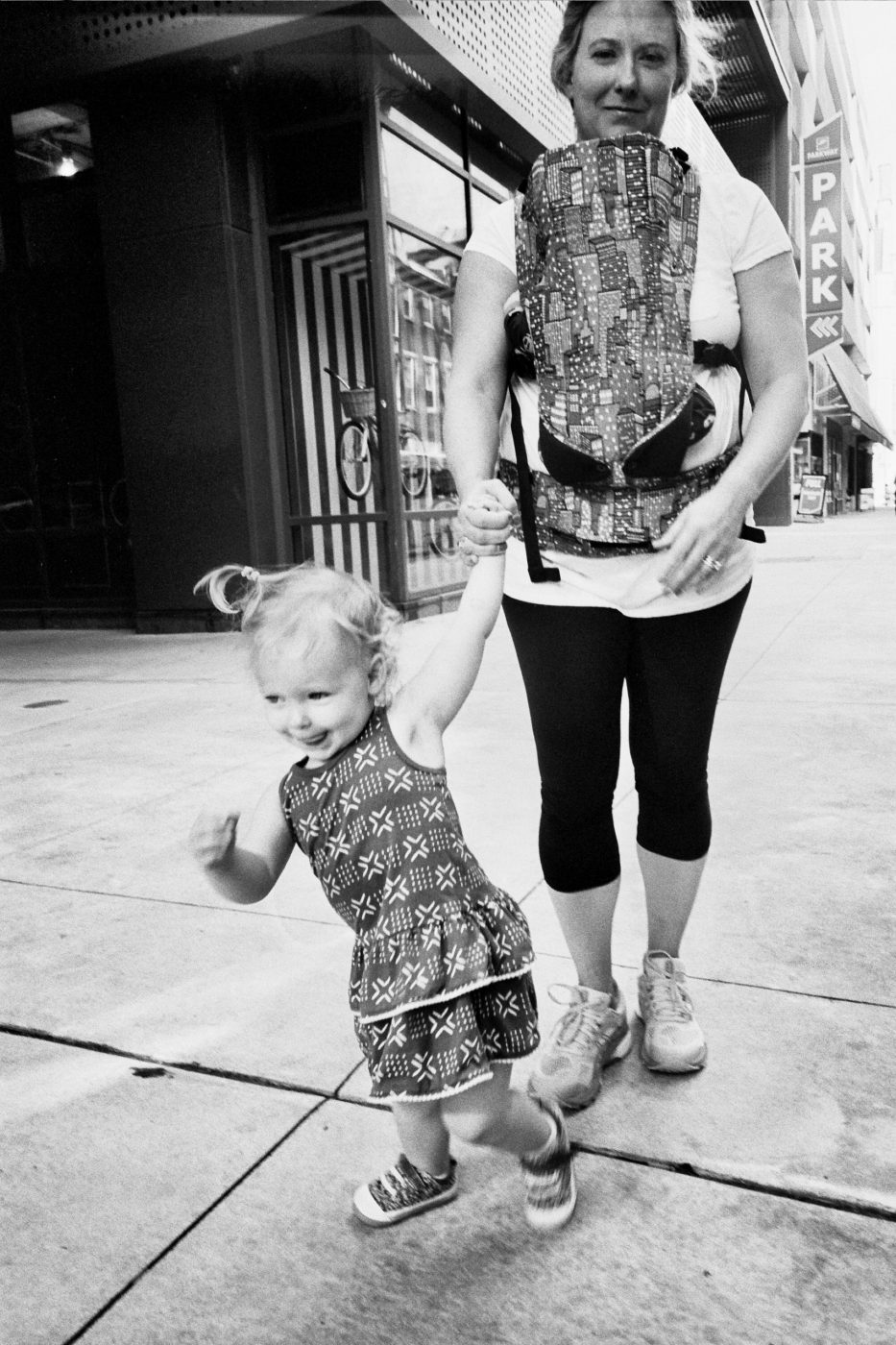
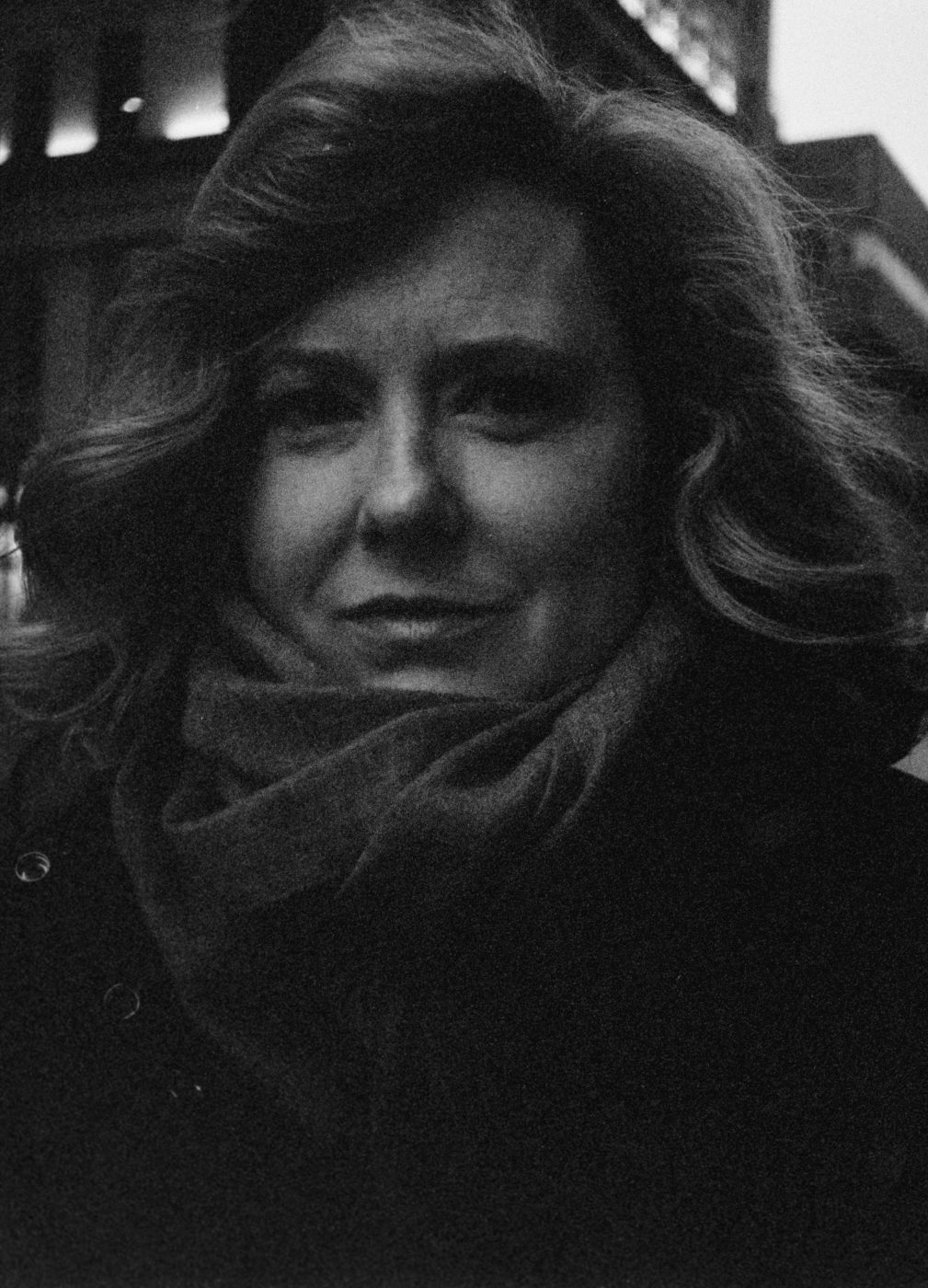
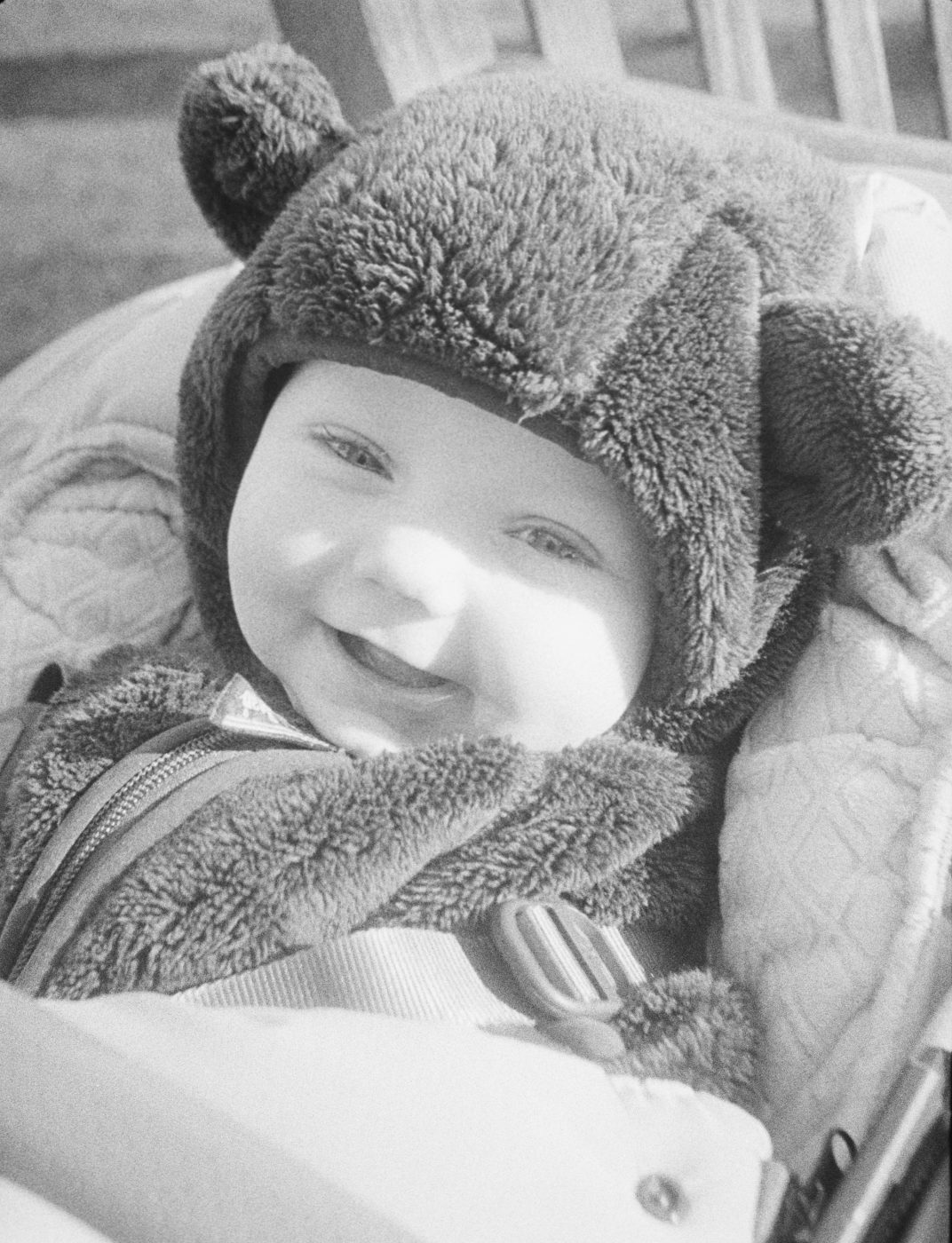
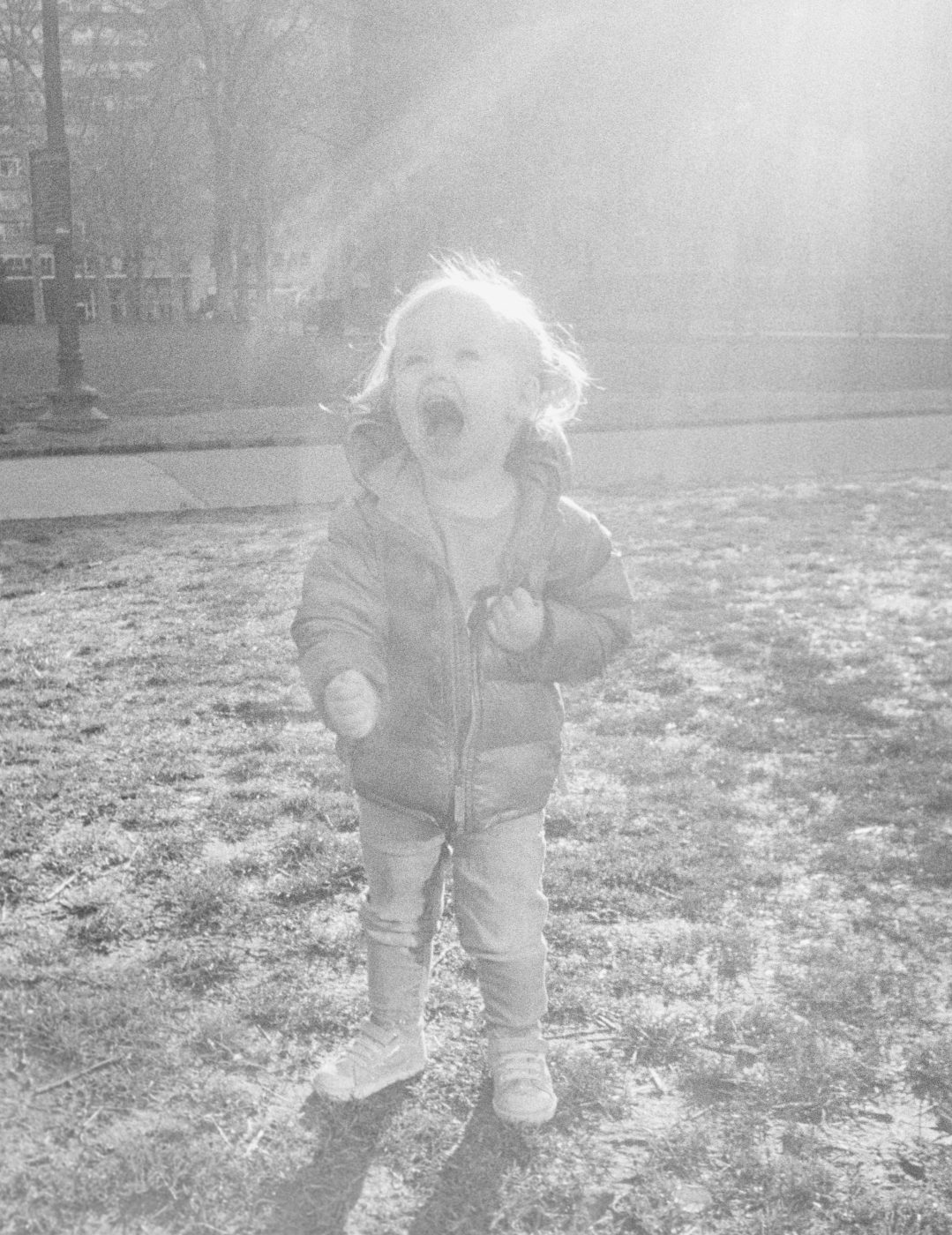
Think about that for a second… how refreshing that is. This camera could sit in a drawer for 5 years, 10 years, and be pulled out and take a beautiful shot that very moment. Here are some grainy black-and-whites.
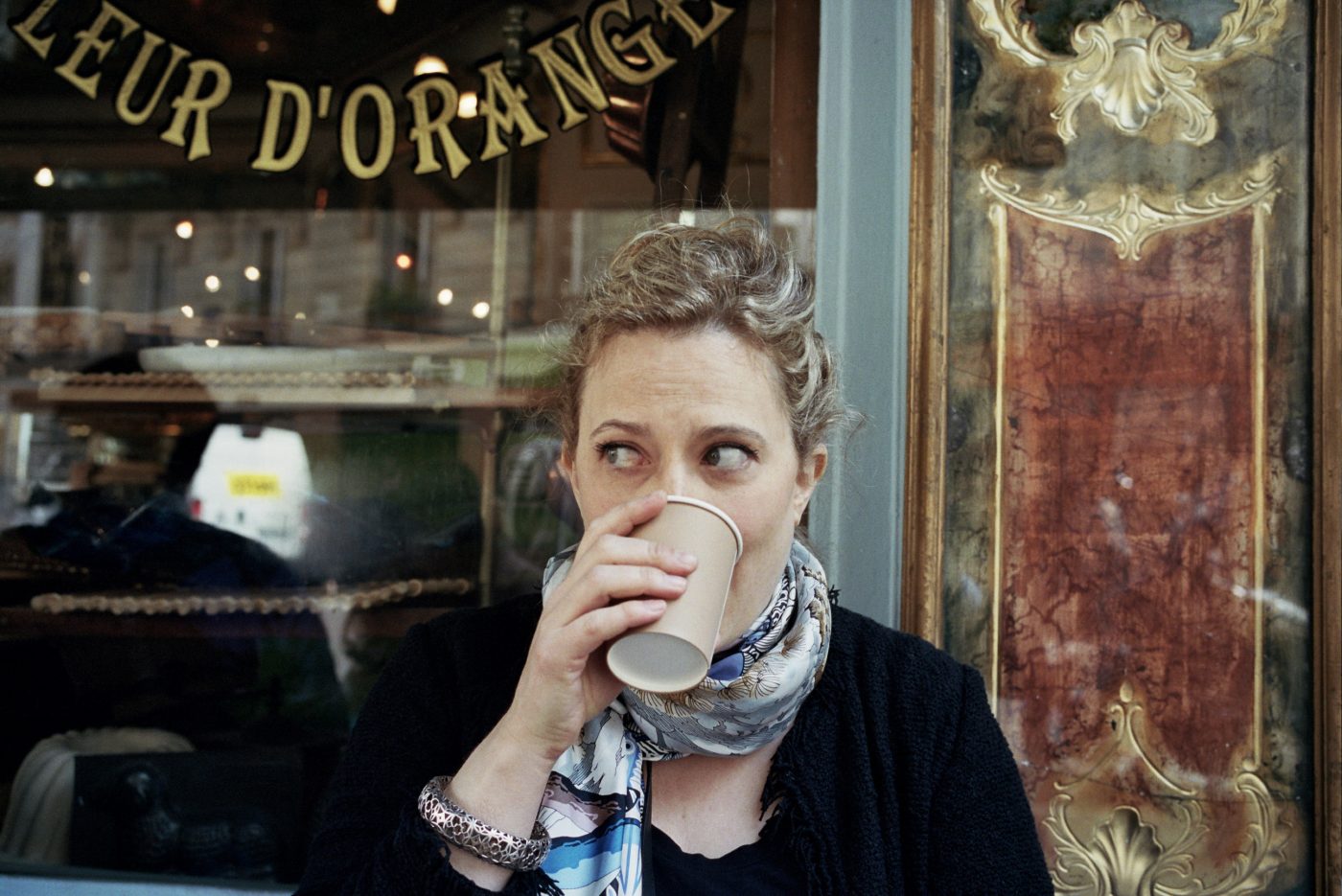
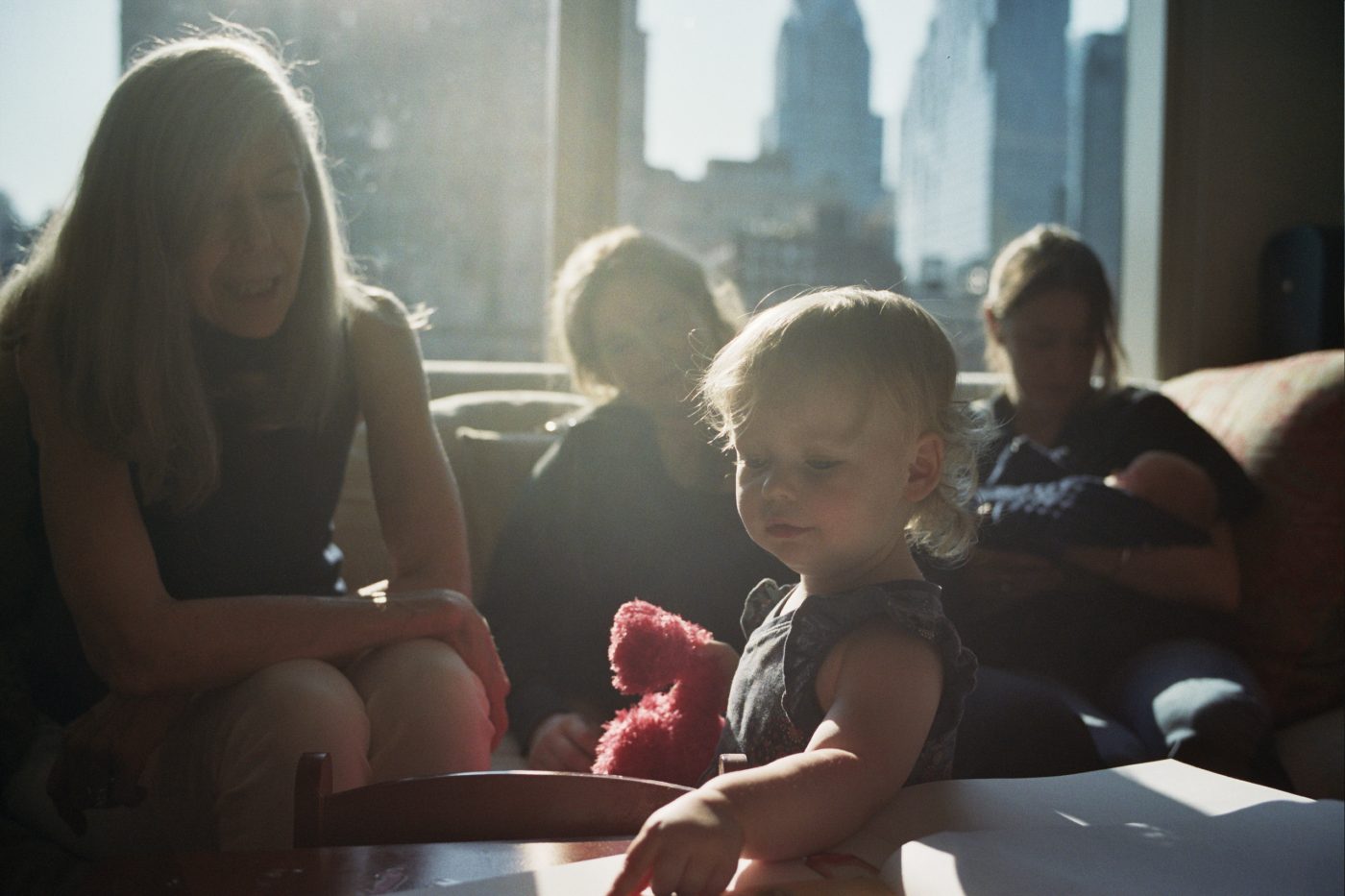
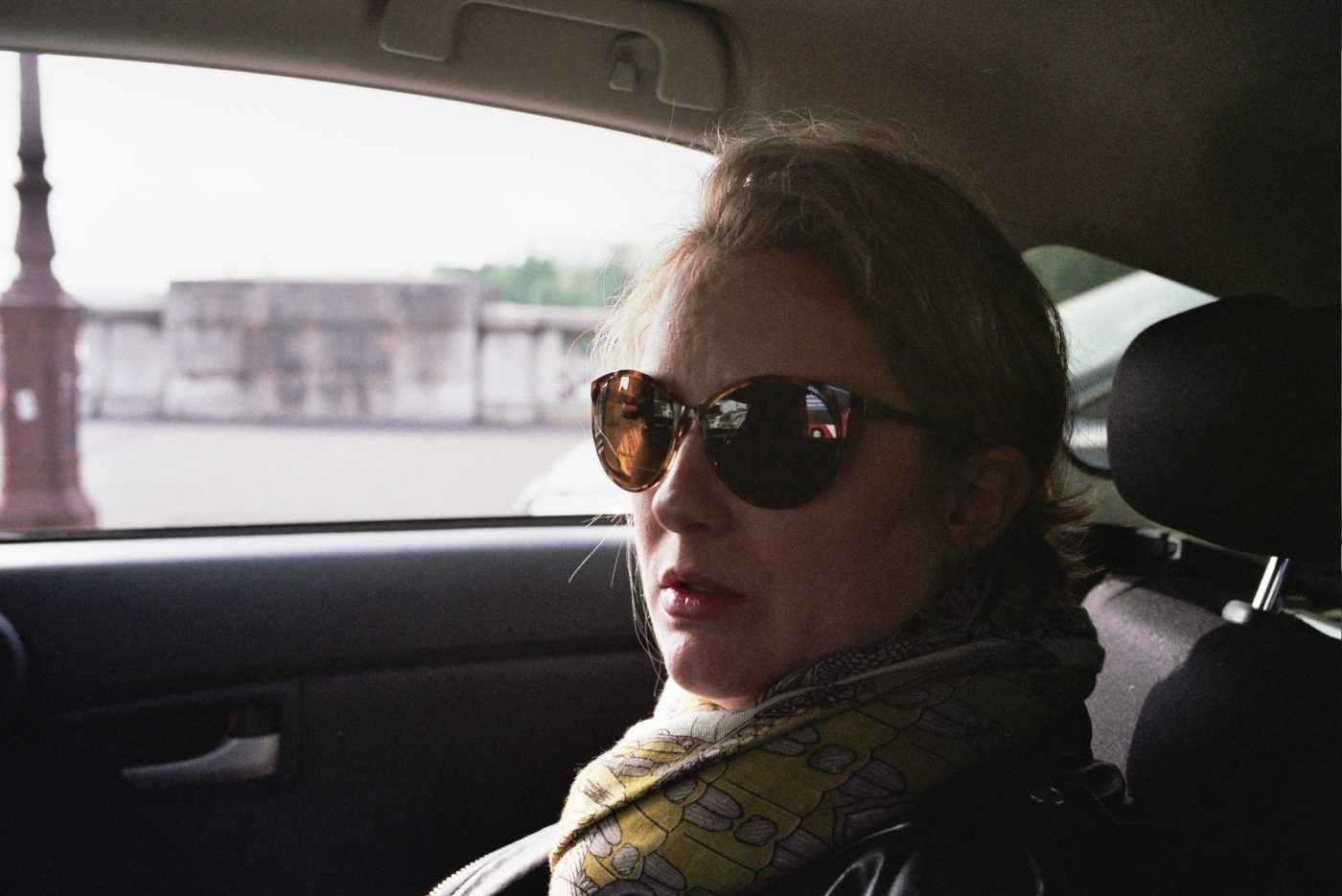
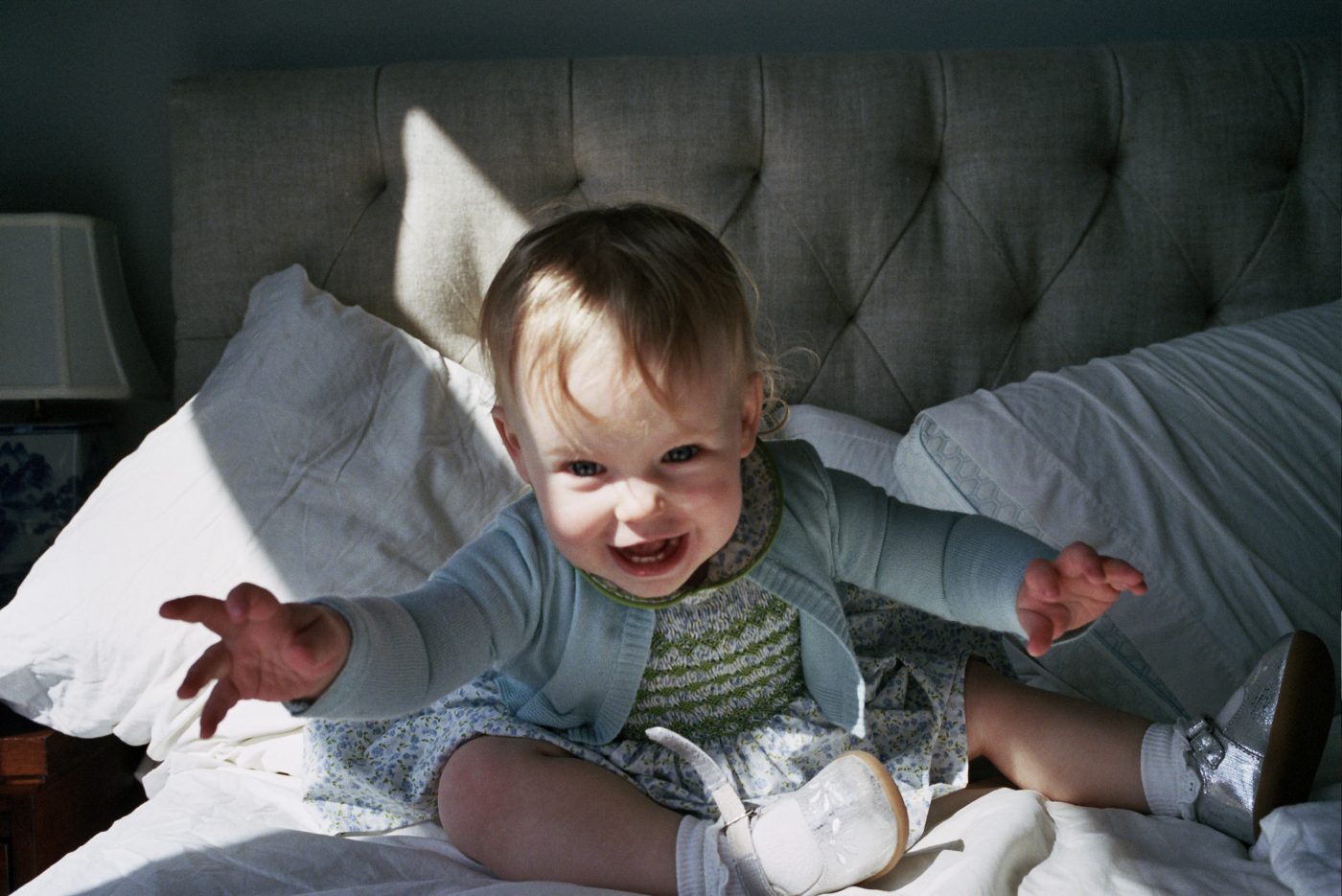
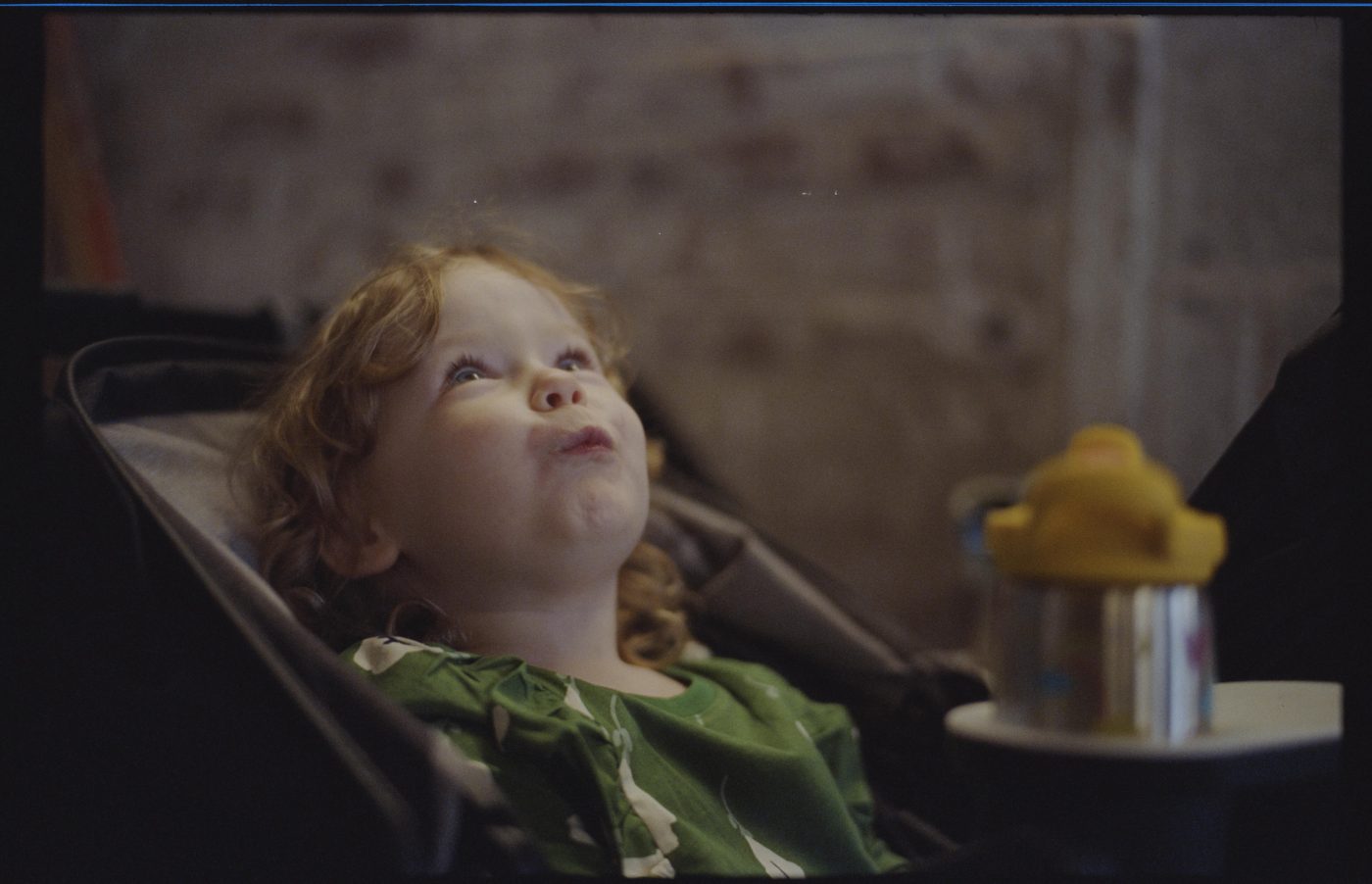
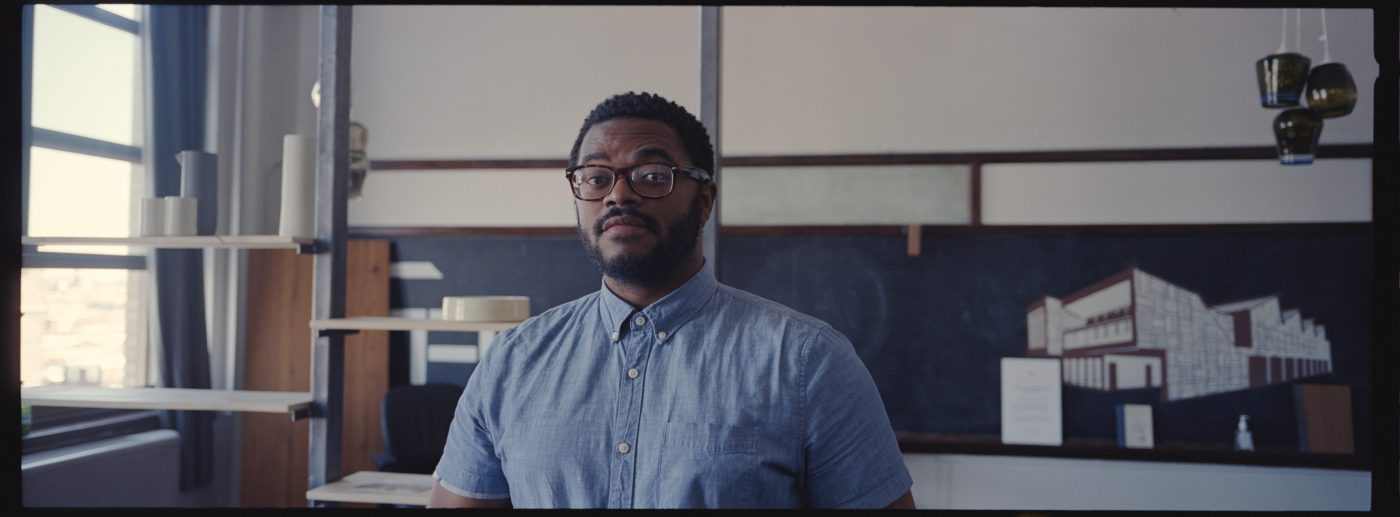
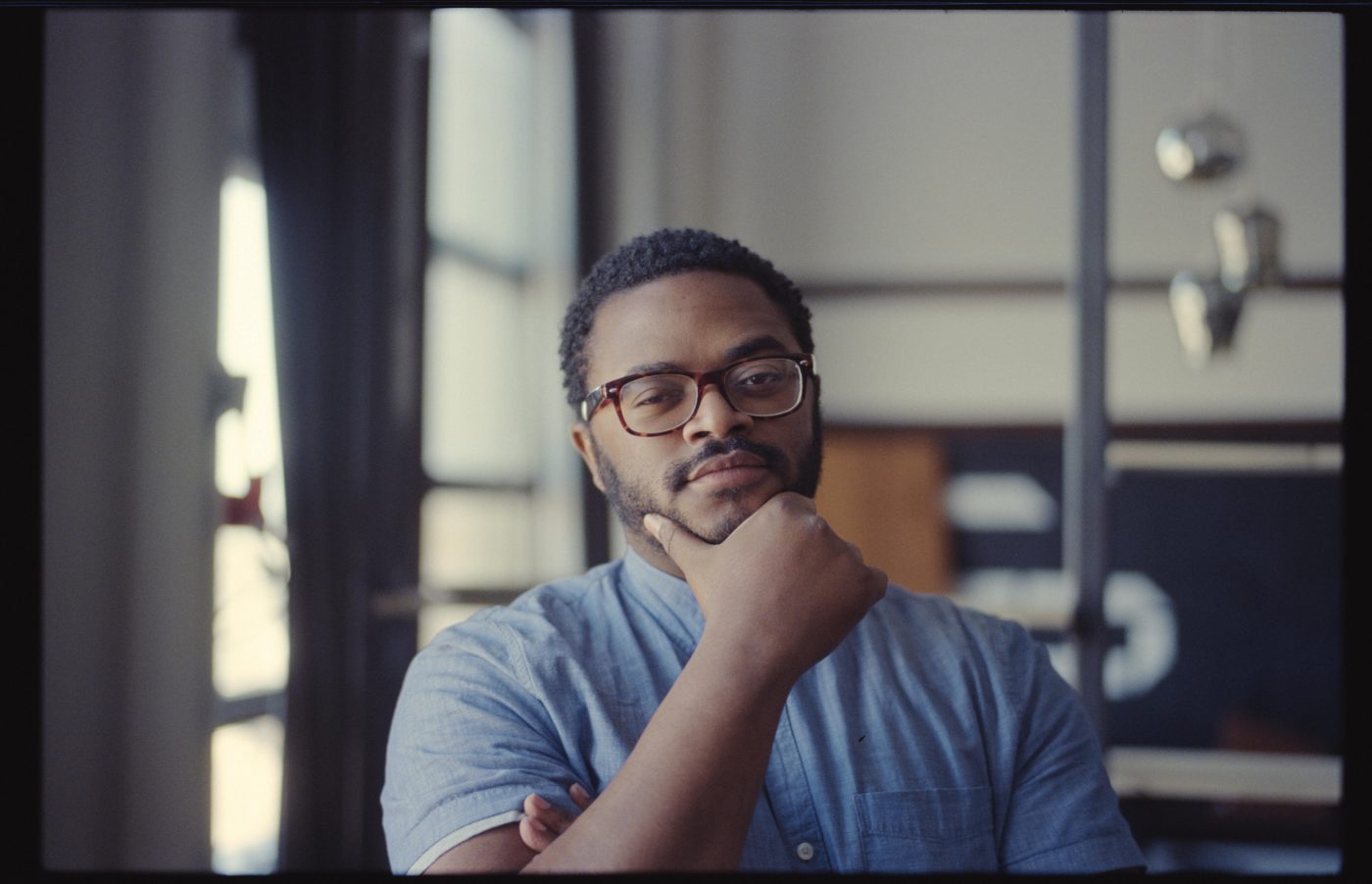
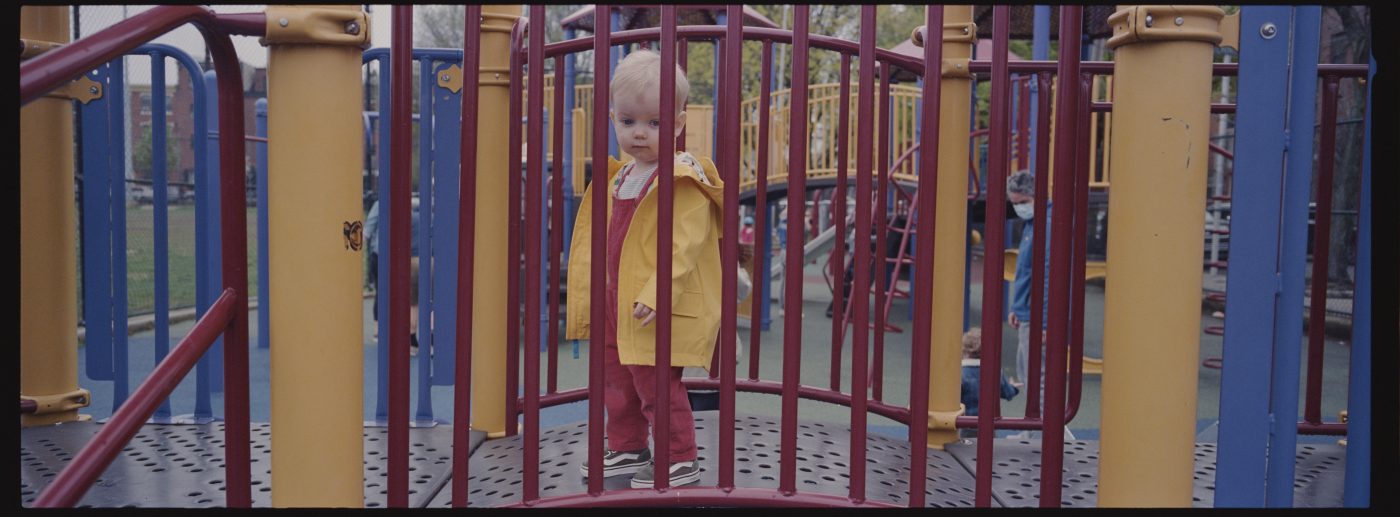
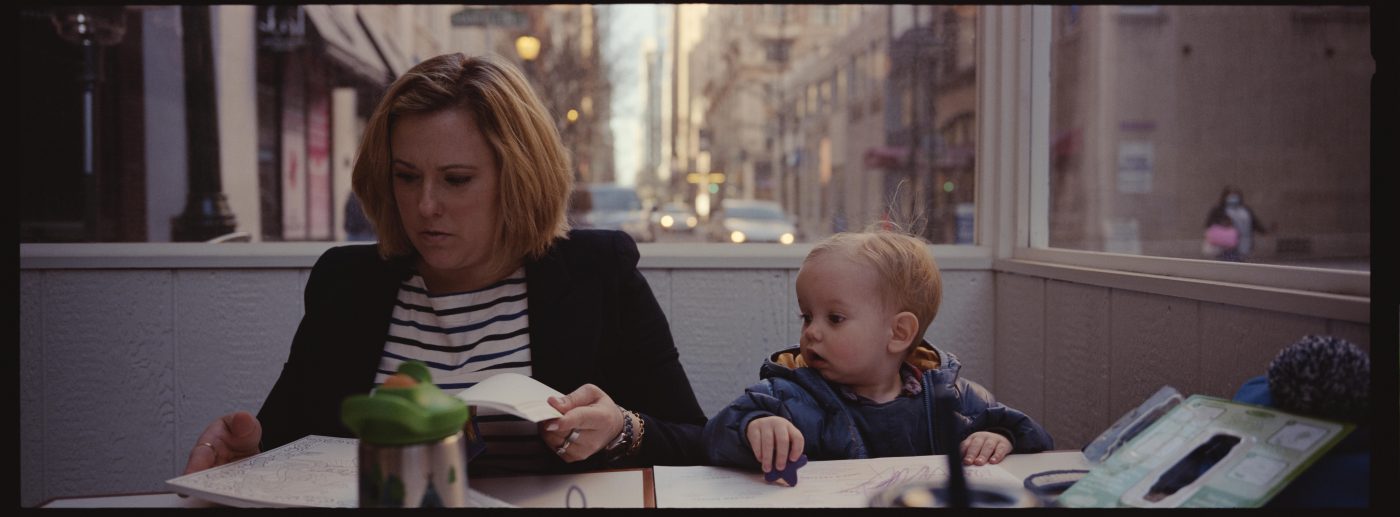
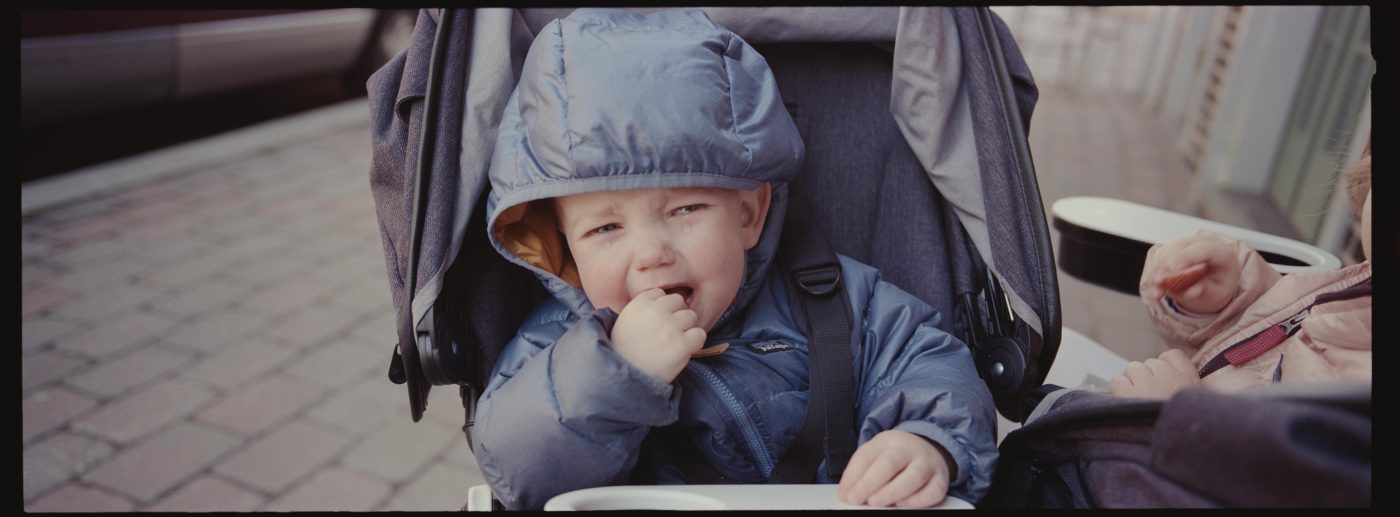
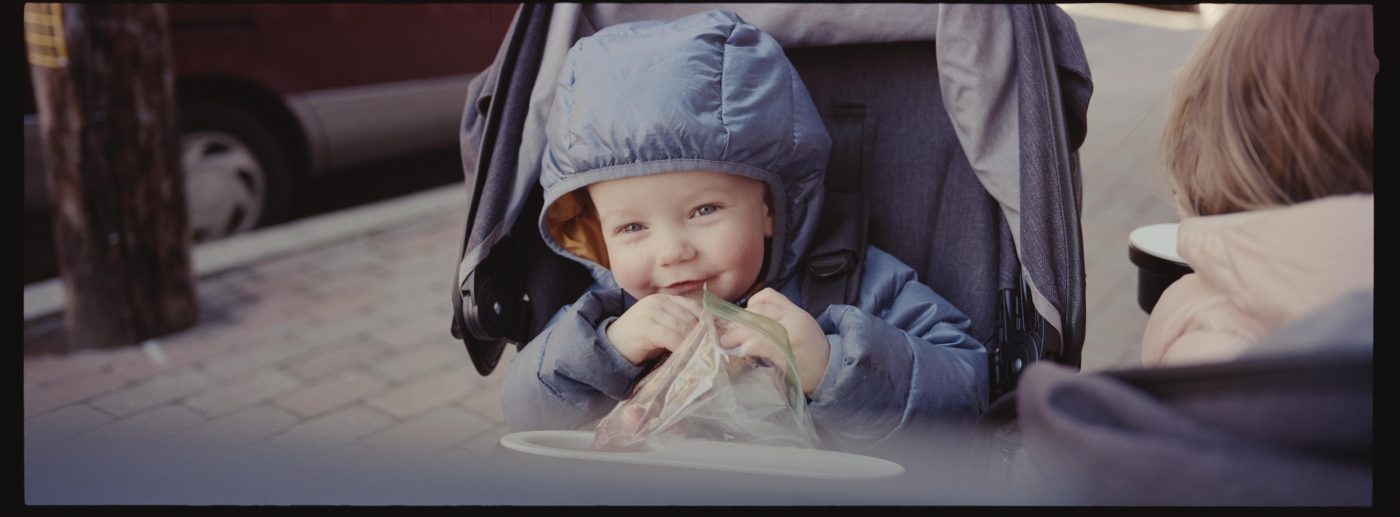
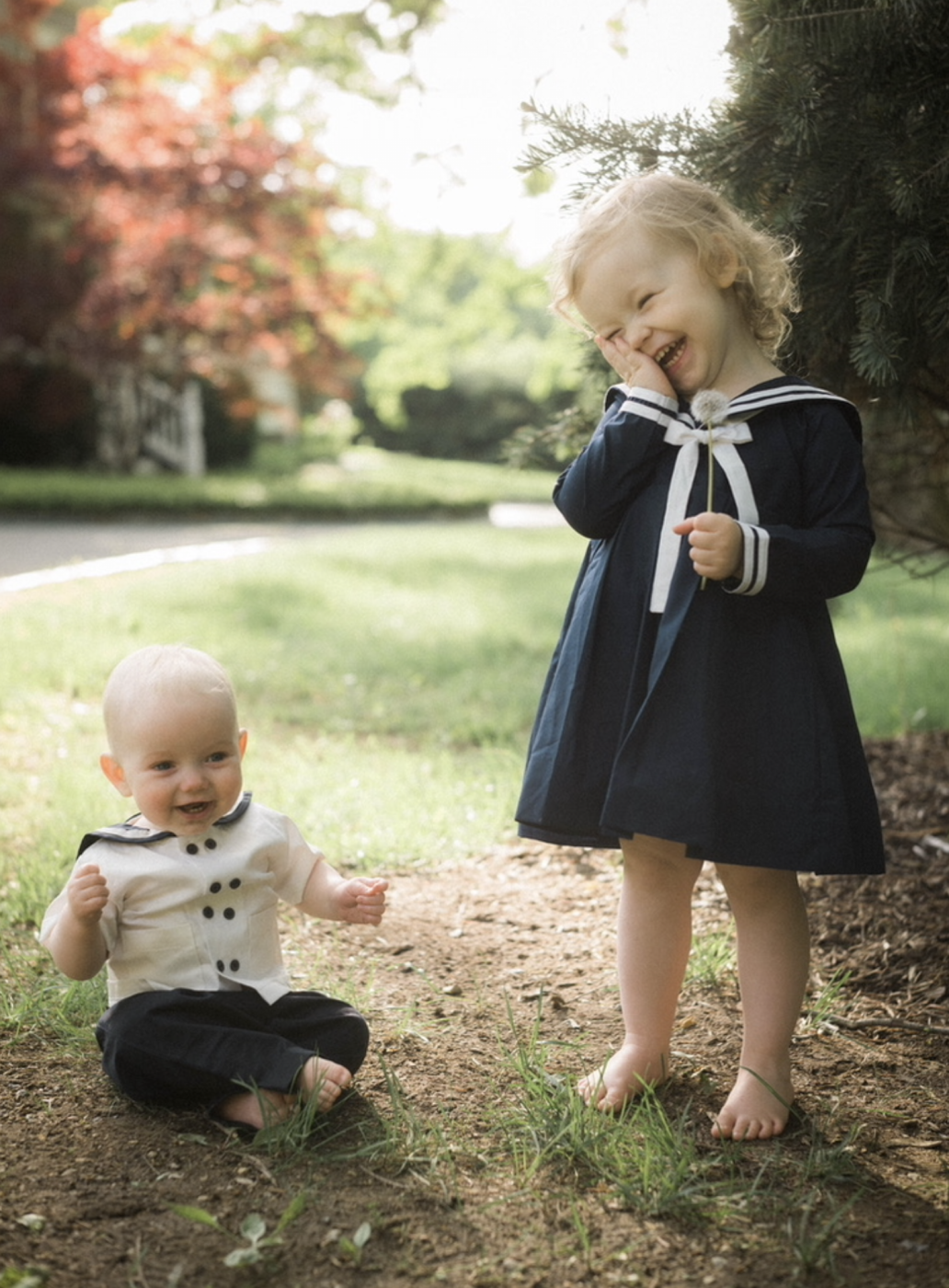
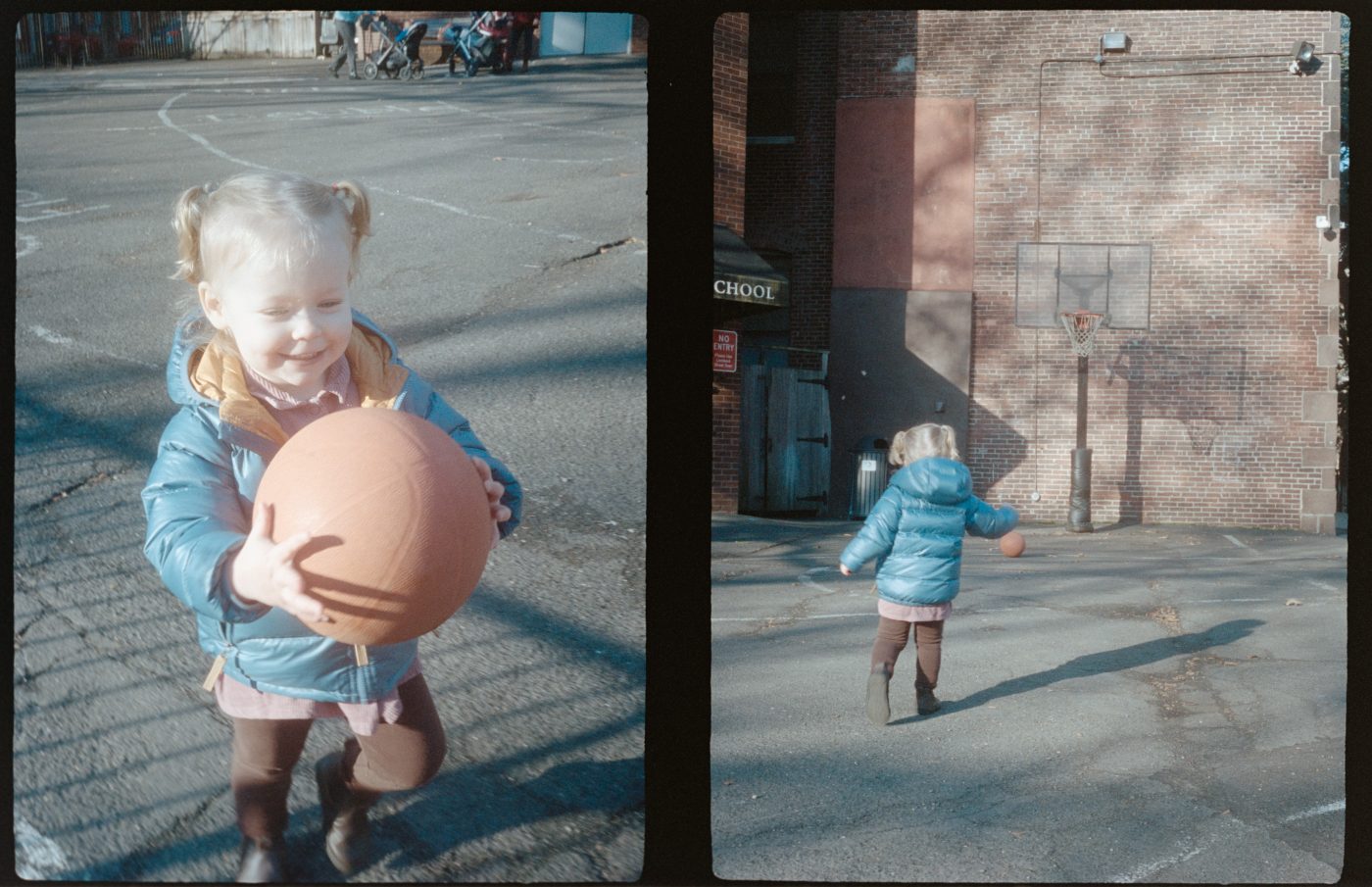
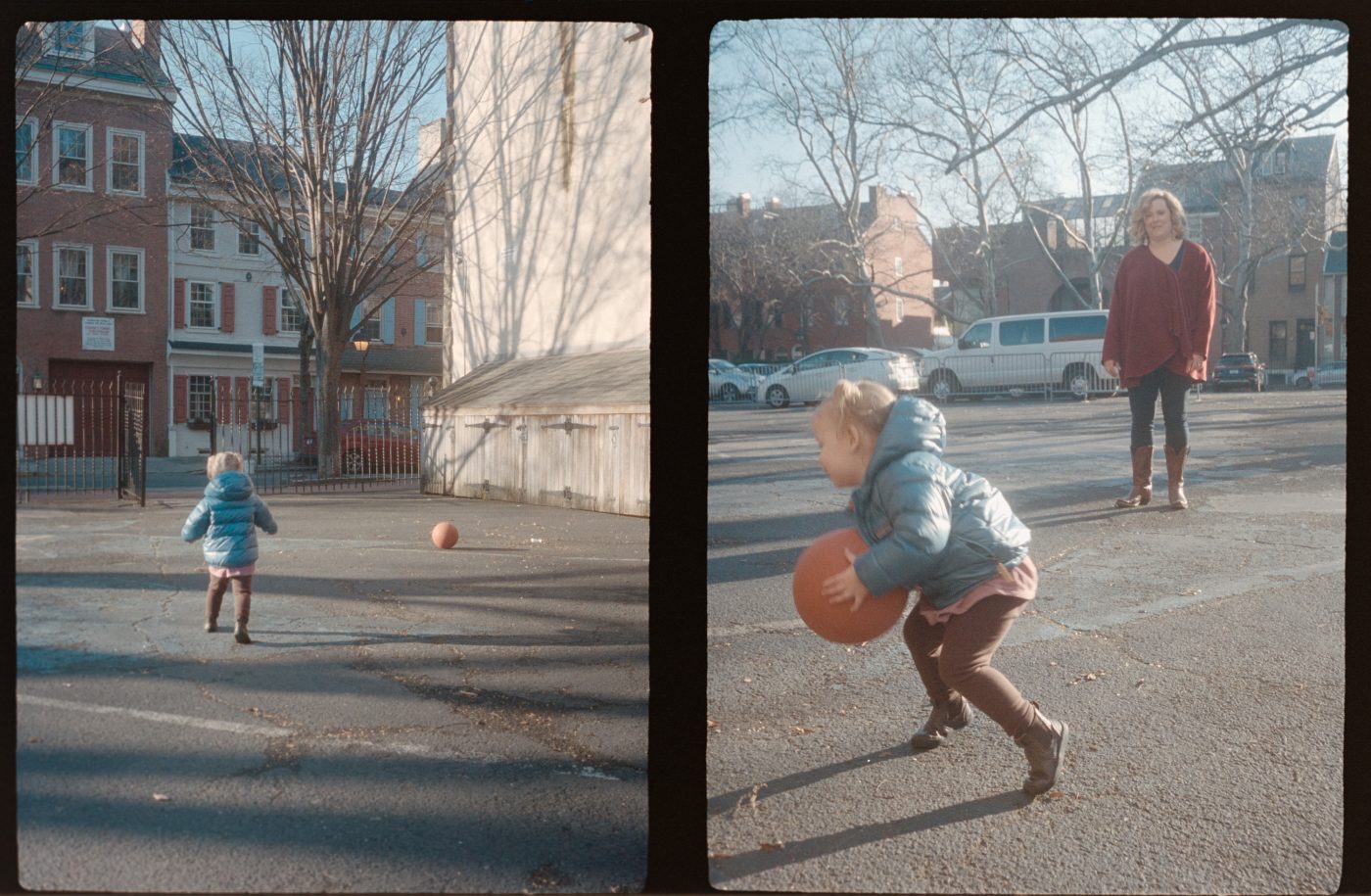
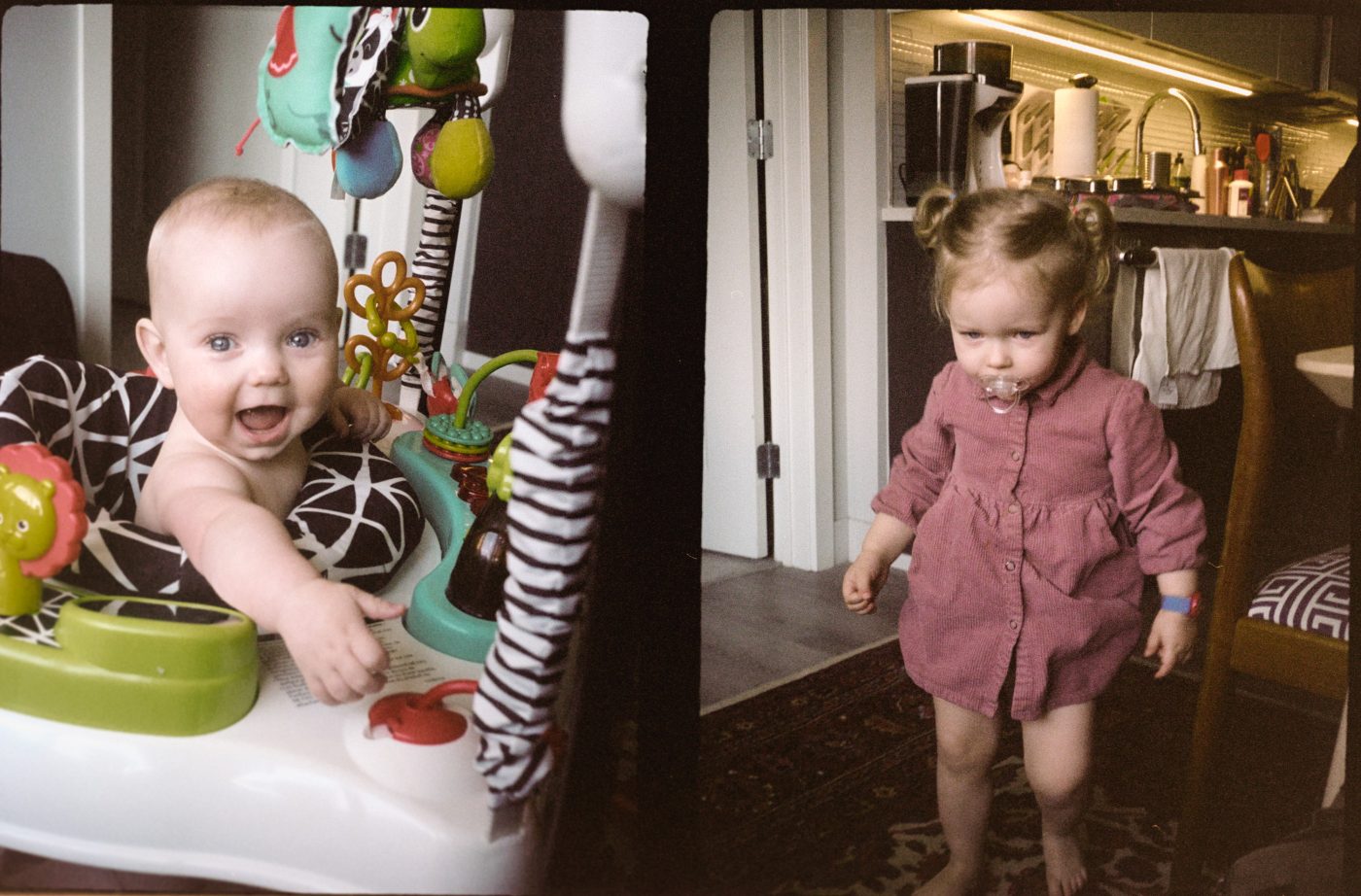
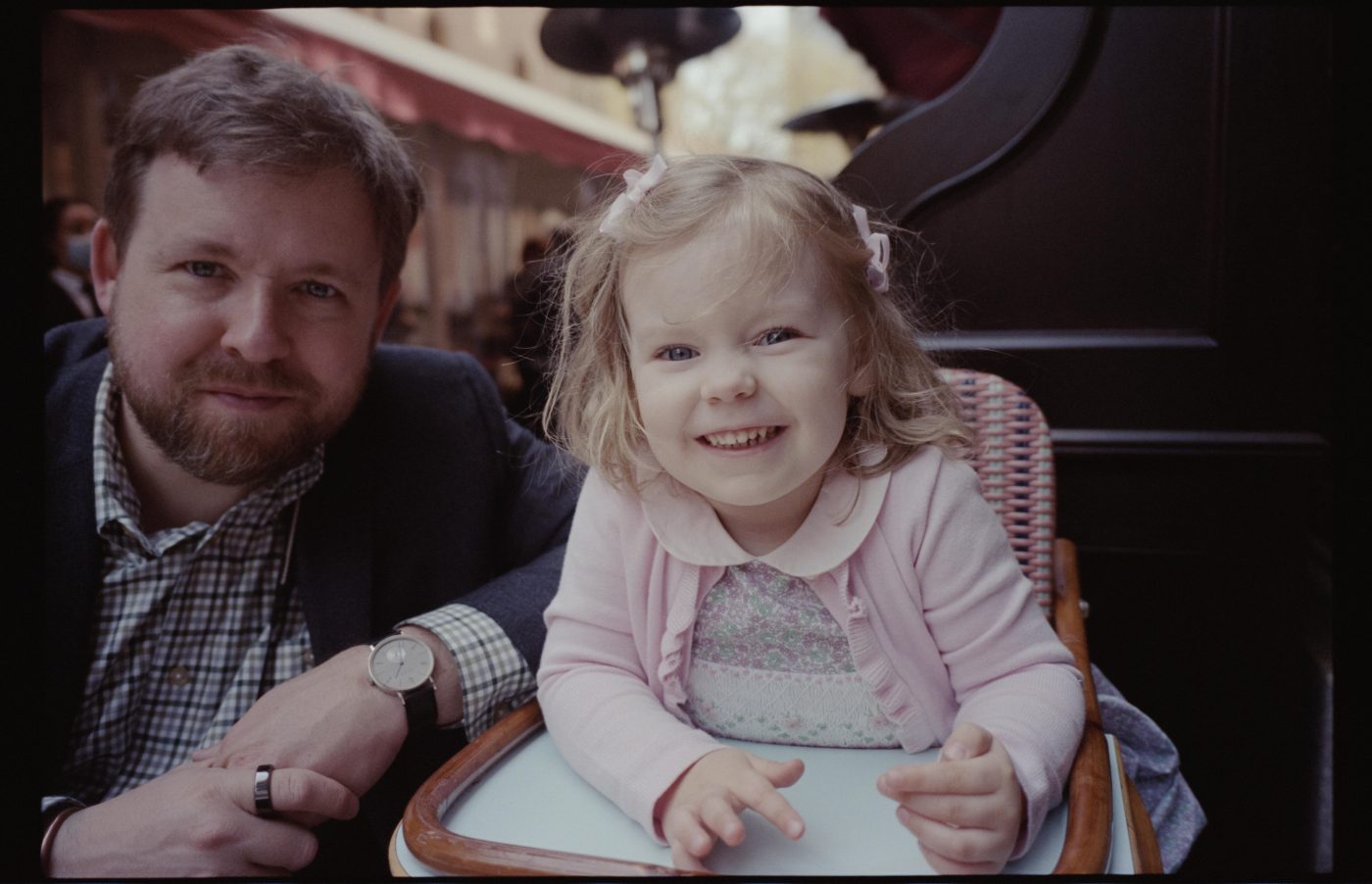
Here are a bunch of half-frame shots I took with the Pen in the winter before the world locked up. It didn’t take any time to clean up or color because it just looks nice. The Pen is in portrait mode by default, so you get these unintentional side-by-side mini-stories/diptychs.
And with the Olympus Pen, I’m intentionally showing you the “lowest quality” film camera I have.
Film is the best quality and the least costly. Look, is it the most convenient thing in the world? Not usually. Is it the best tool for low light and sports and nature photography? No.
But it’s the most fun. And why are we doing any of this stuff anyway?







-
Falling Back in Love With Photography
I wrote about why, if you've fallen out of love with photography, shooting film might bring back that loving feeling.
I can't tell you how nice it has been to fall back in love with photography after getting pretty numbed out through many years doing it professionally.
I would urge anyone in the same boat to seriously consider taking another look at film photography. 👇

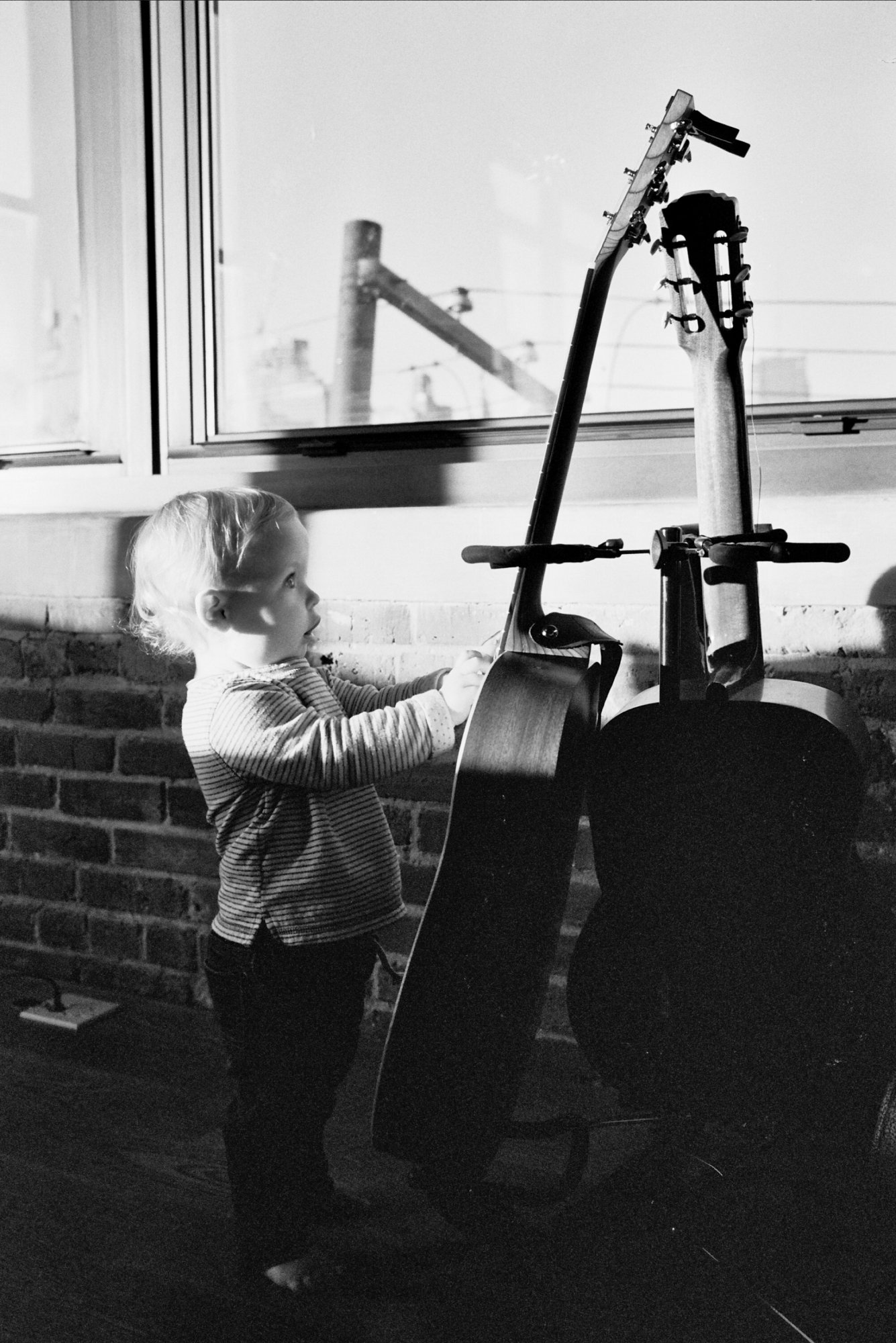
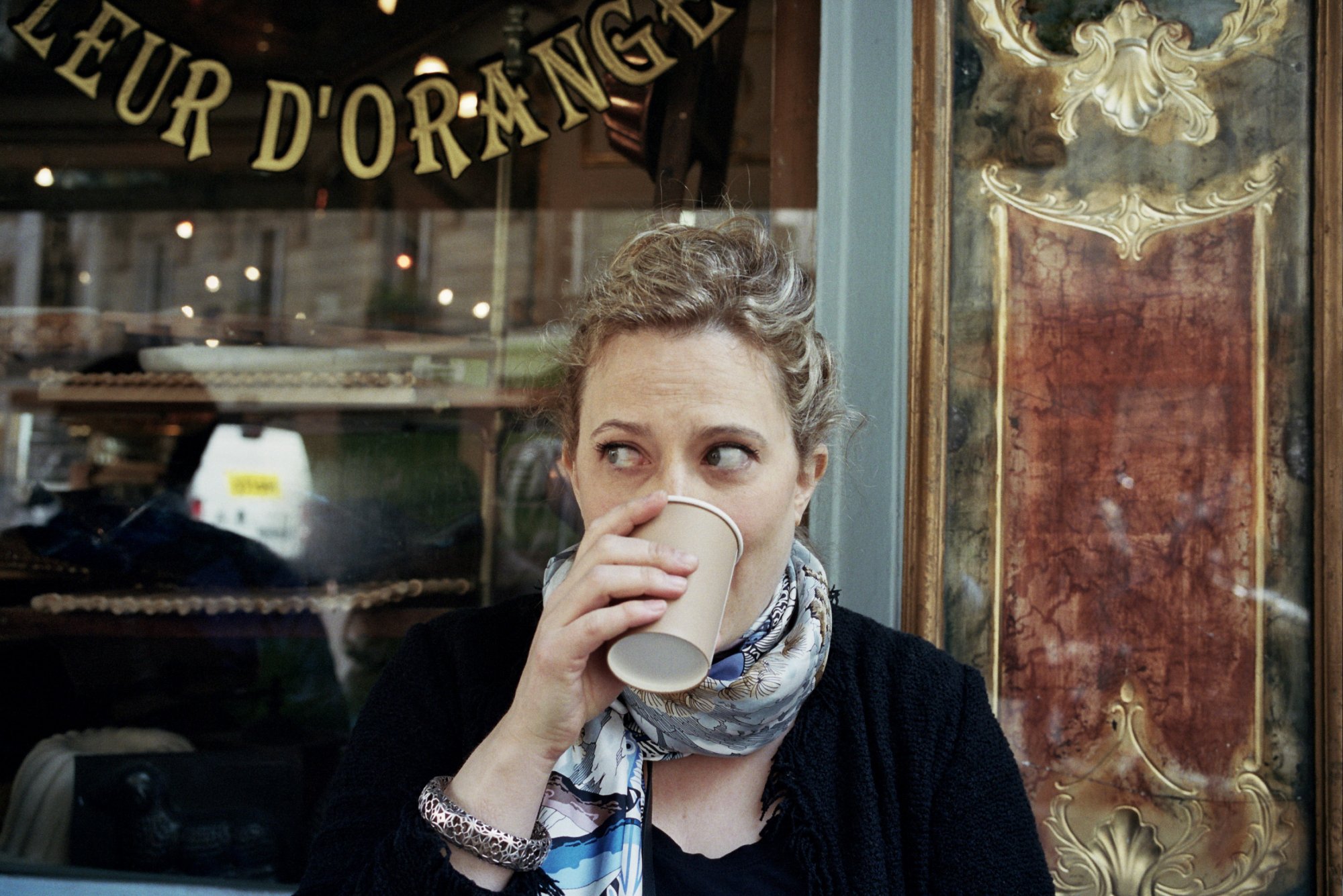
Film photography is
1. (way) more fun than digital, 2. better quality than digital for almost everything, and 3. significantly less expensive than digital (yeah you heard me)
Supporting evidence for my claims is way too overwhelming to cover, but here are a few points:


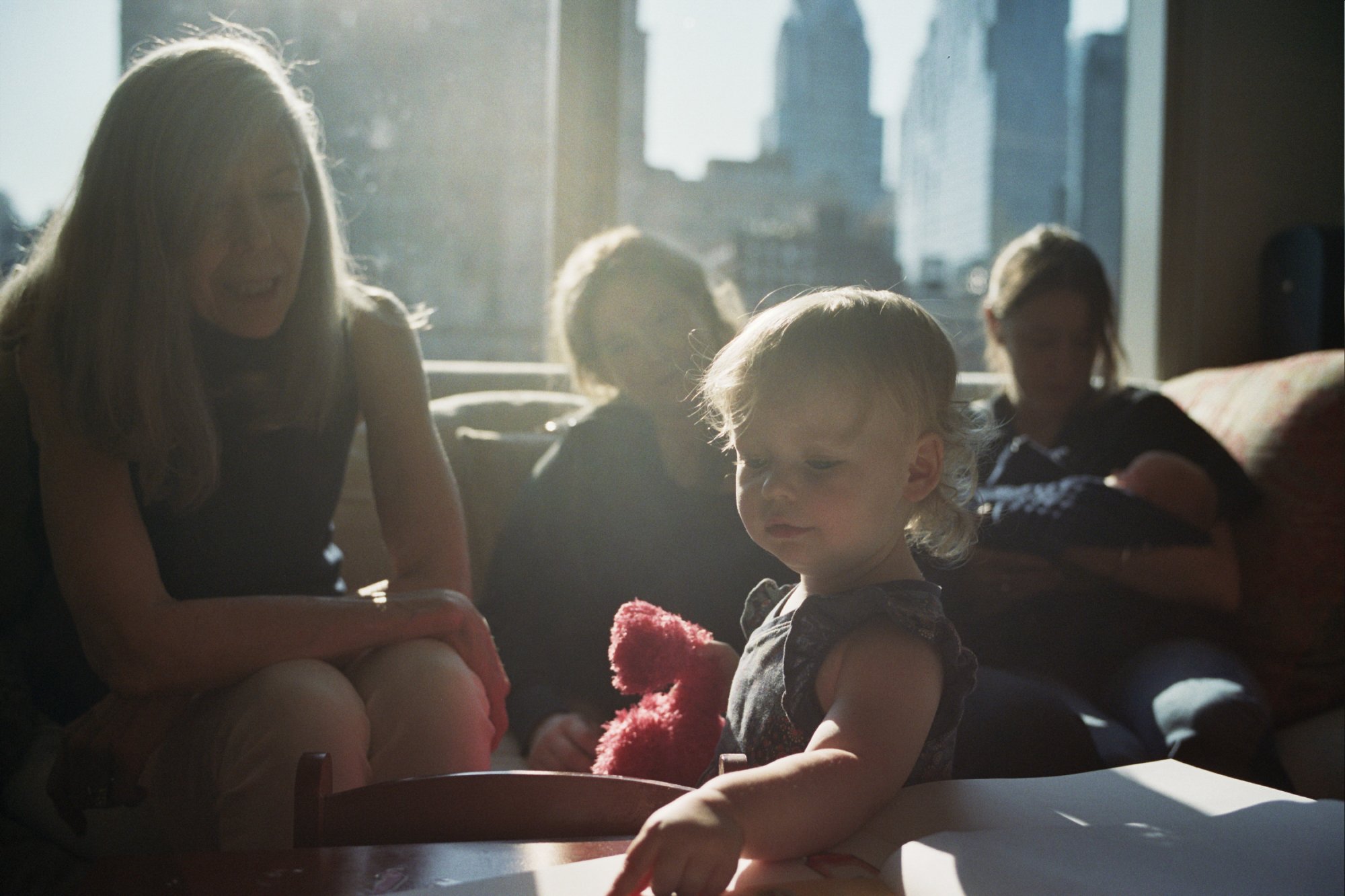
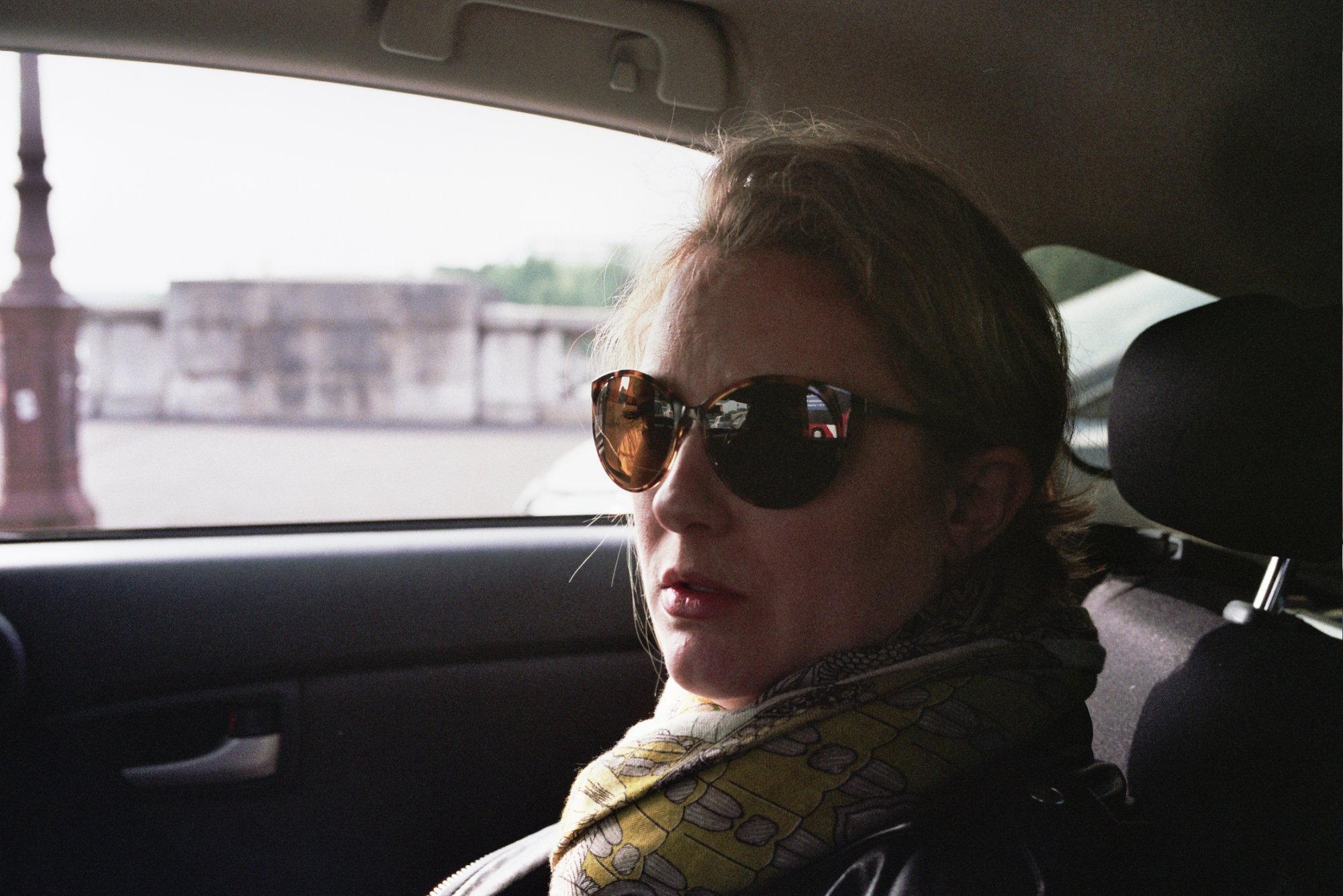
Lack of constraints is terrible for creativity. Unlimited, automatically-exposed images that you can check immediately upon shooting (photographers refer to this as "chimping") creates an unaware, disembodied, screen-centered photography experience.

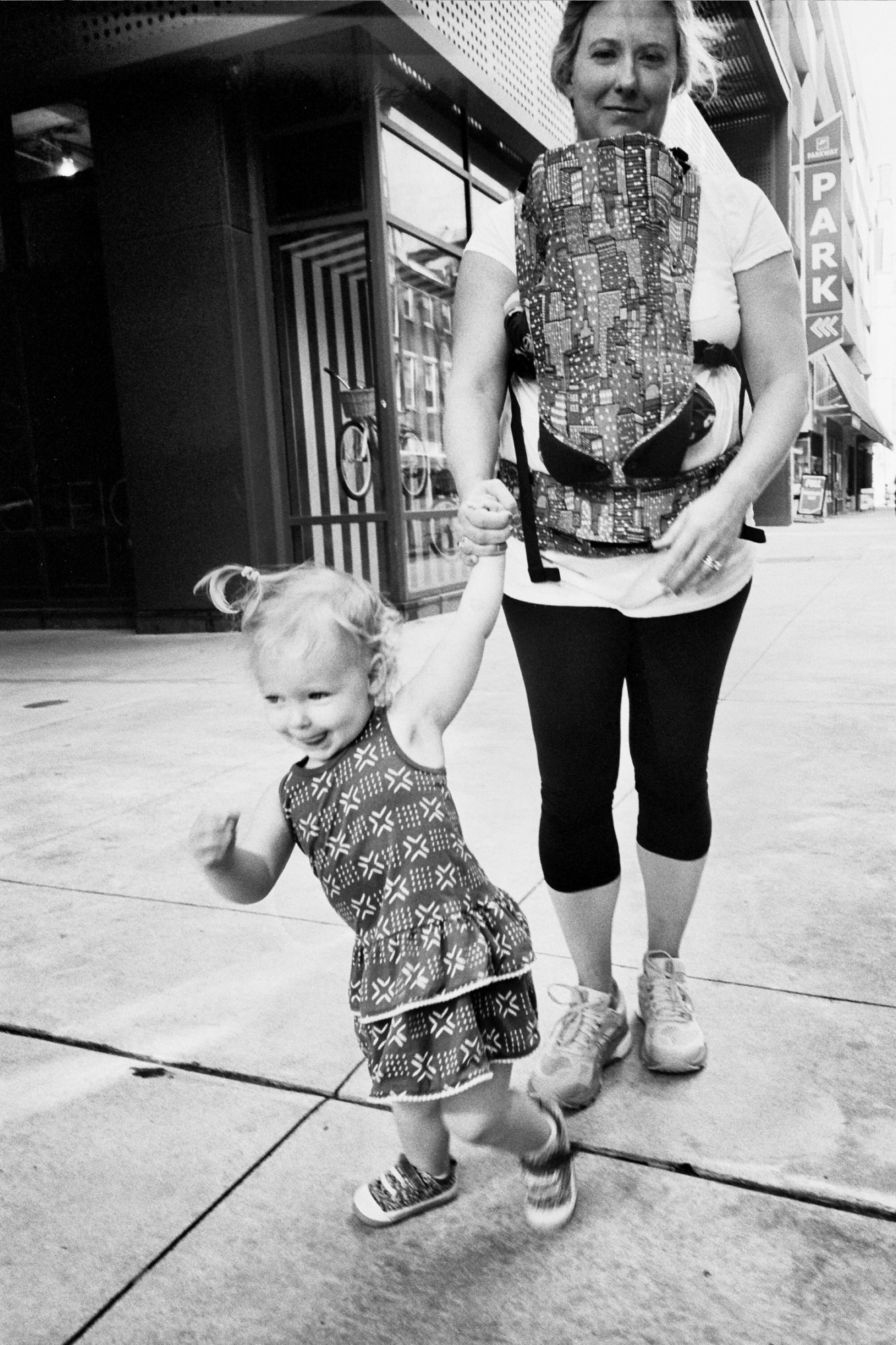
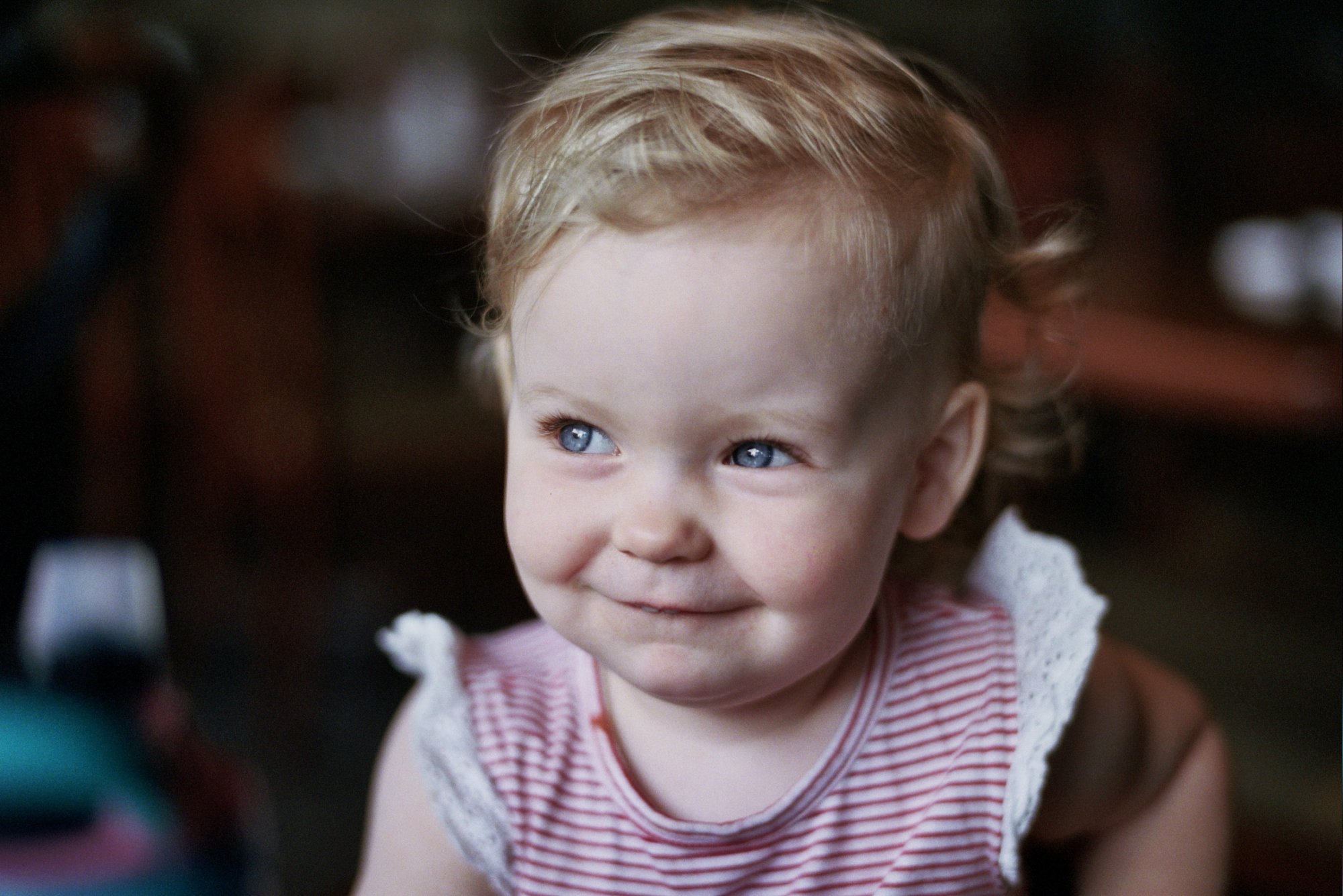
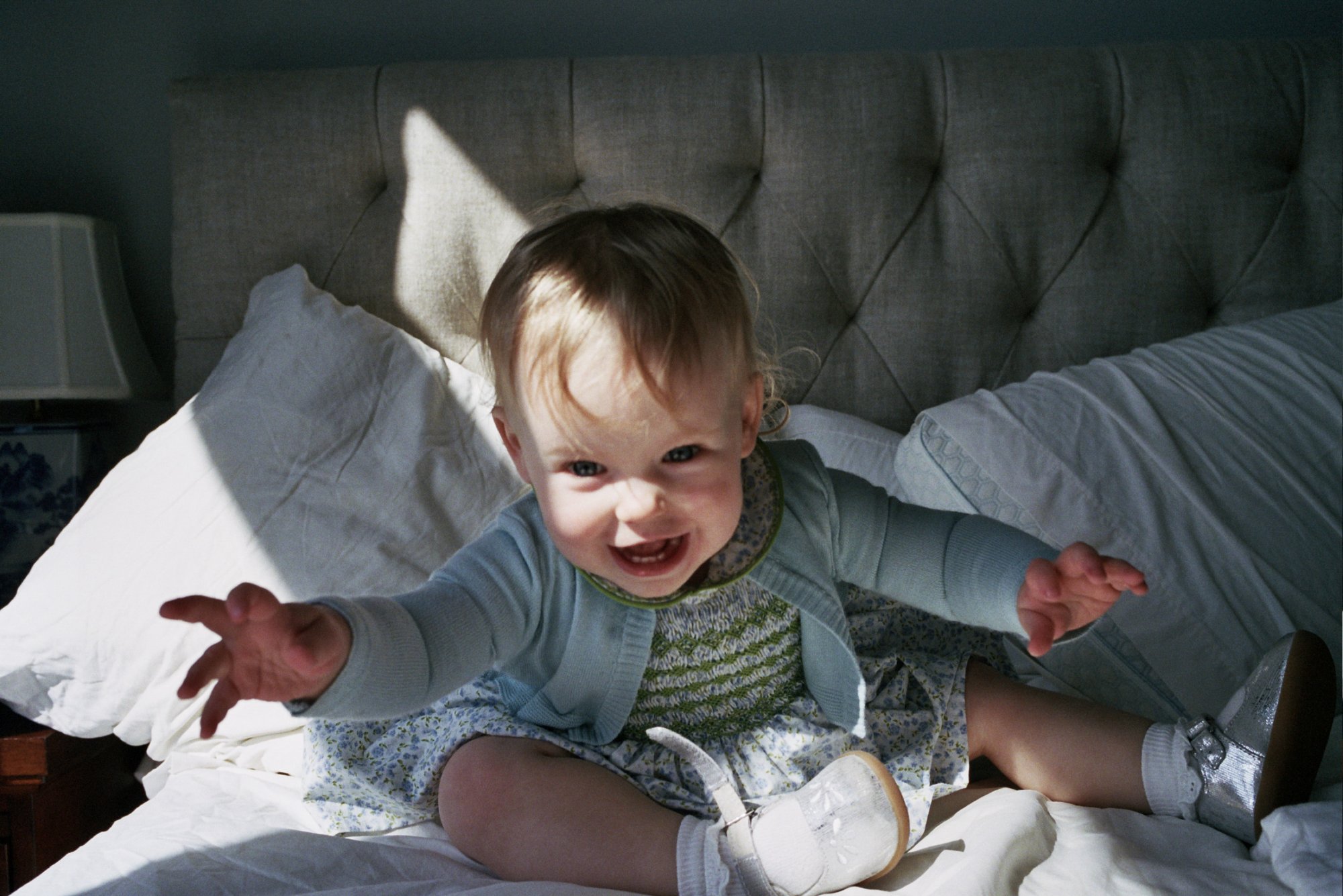
Knowing you've only got a limited number of shots makes you take them with much greater care, and not being able to chimp keeps you in the moment, seeing, experiencing.
And don't even get me started on editing.
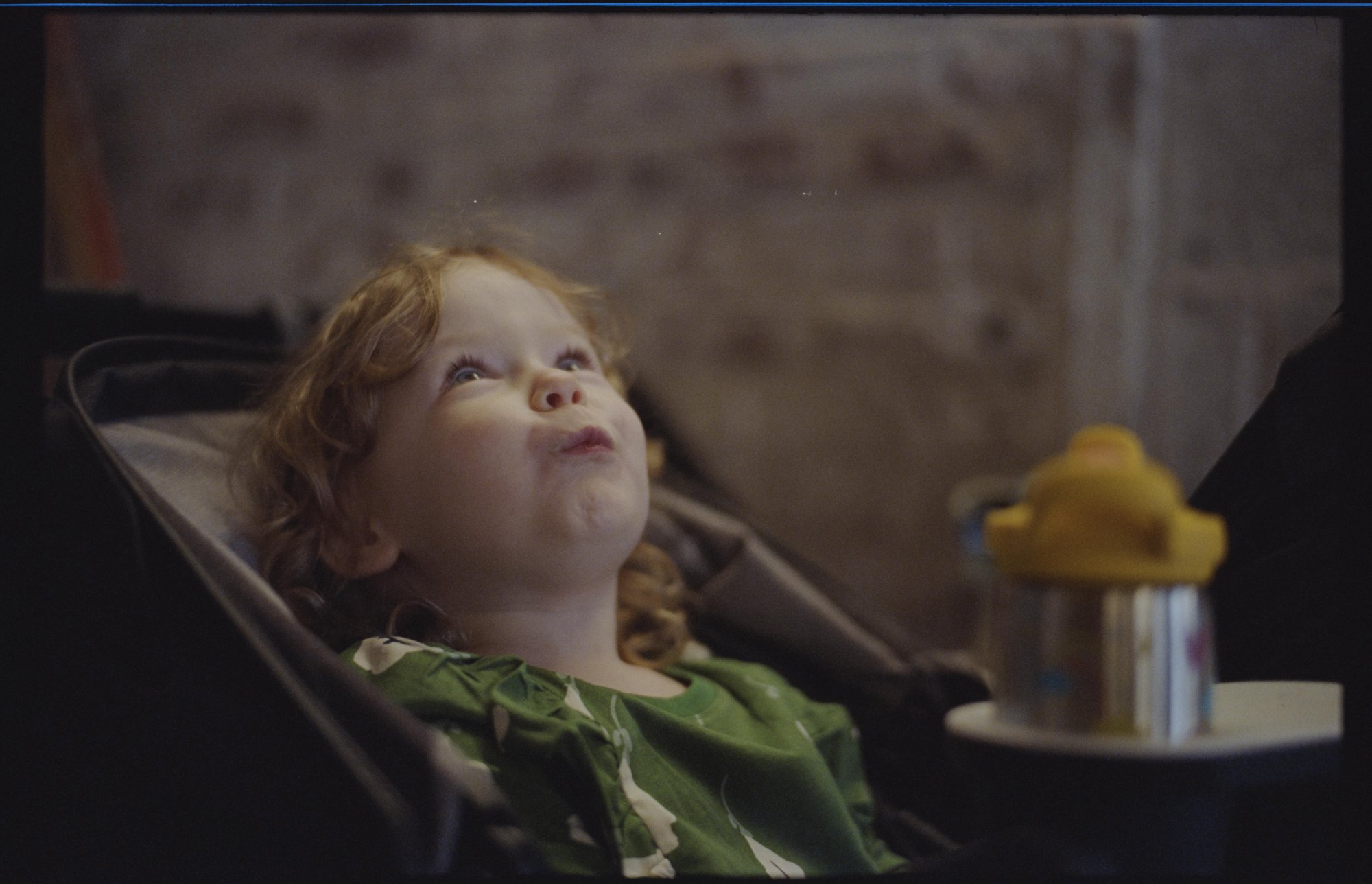
Going through hundreds of digital images is anxiety-producing, tedious, and soul-draining, comparing slight differences between 25 of the same shot to figure out which one is the keeper... We end up with thousands of unedited photos in our backlog that never see the light of day.
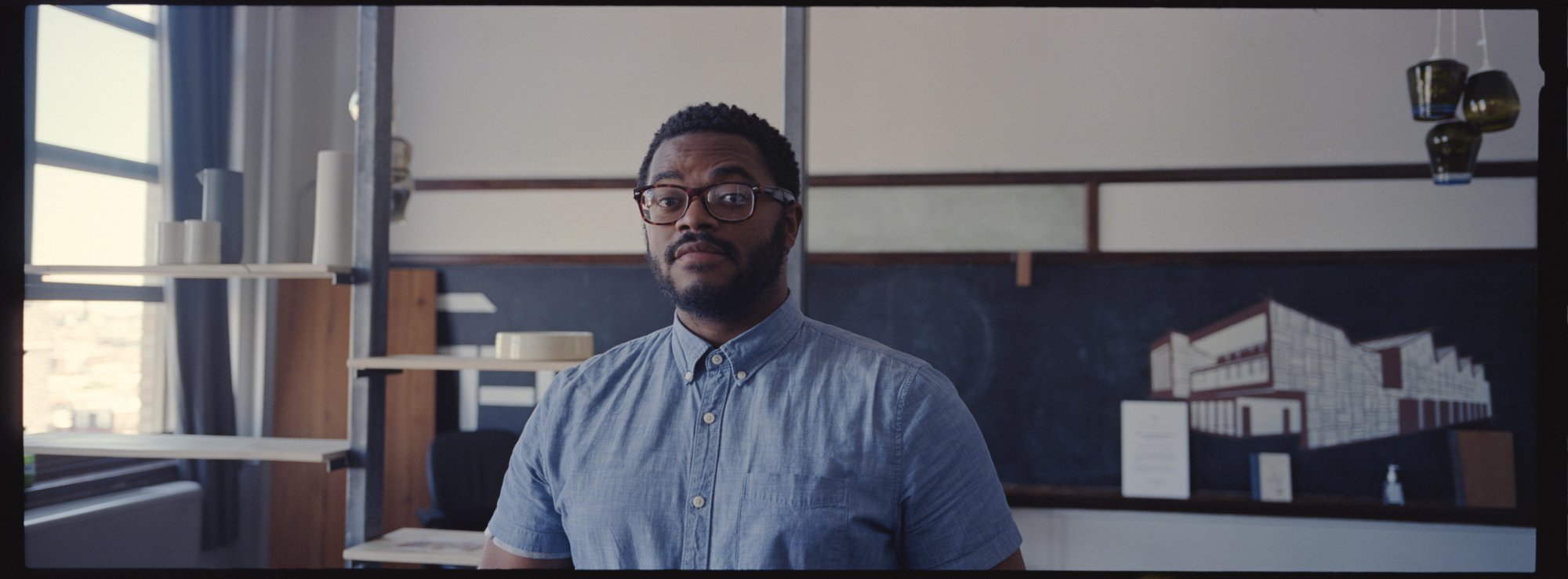
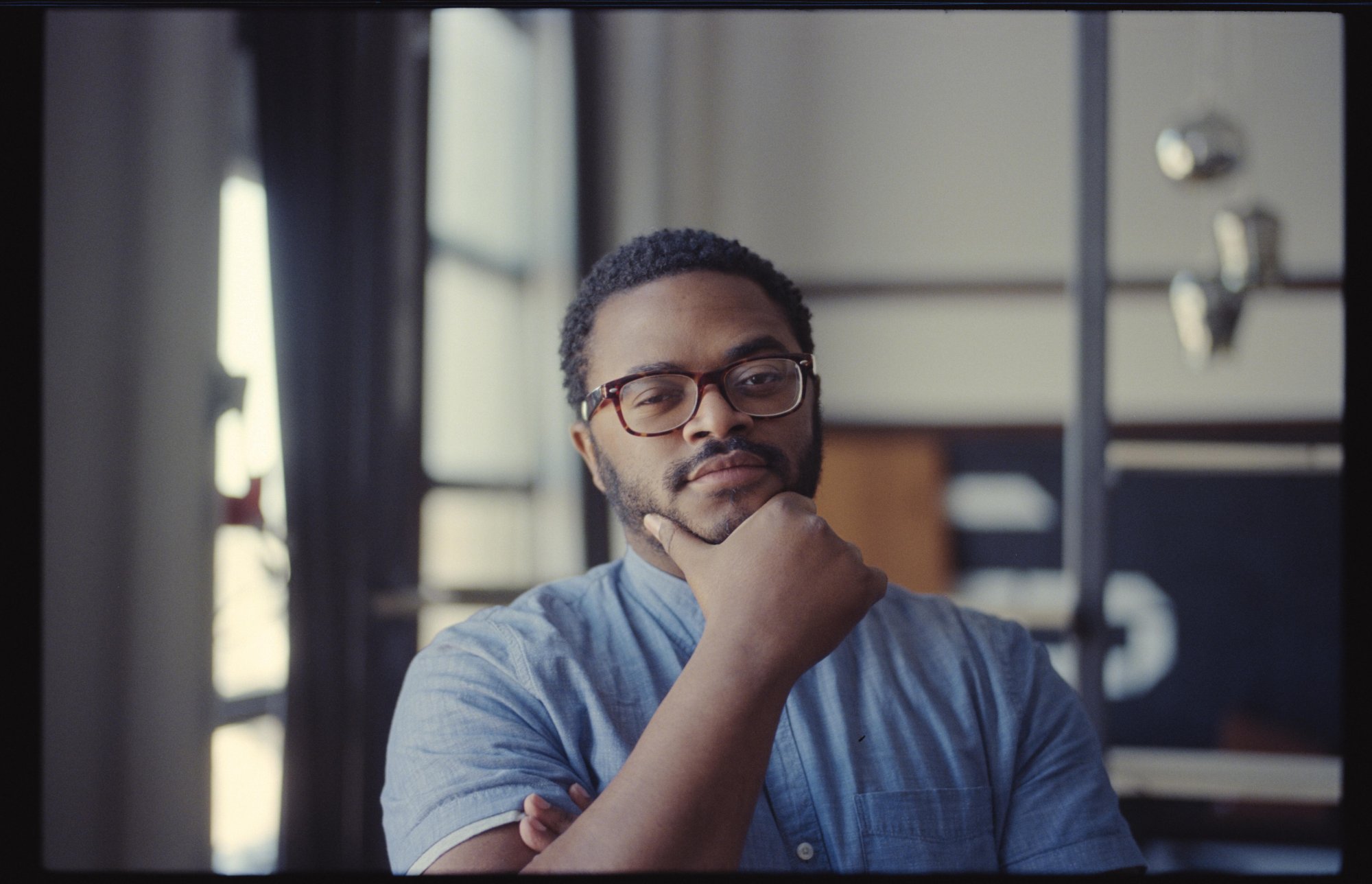
With film, the editing experience is the exact opposite: You can't wait to see your developed images. Each keeper feels like a gift from the gods. There is intense excitement and joy every step (the feeling is even better when you develop yourself).
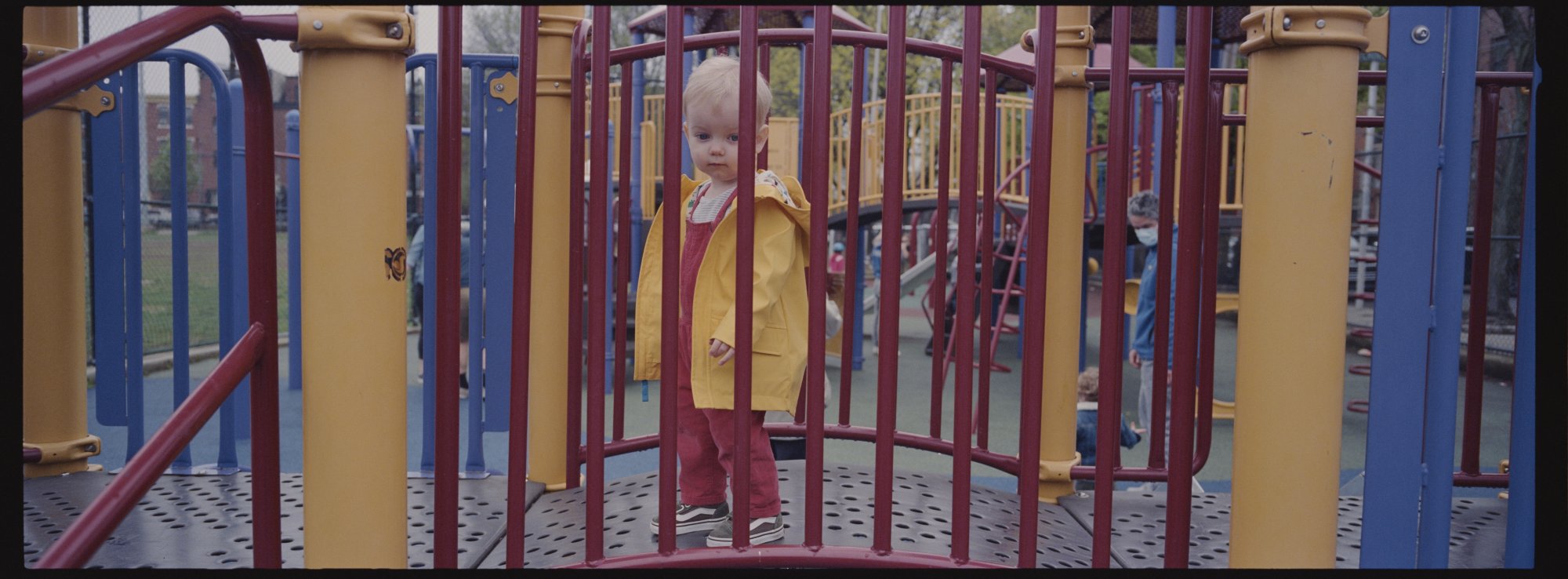
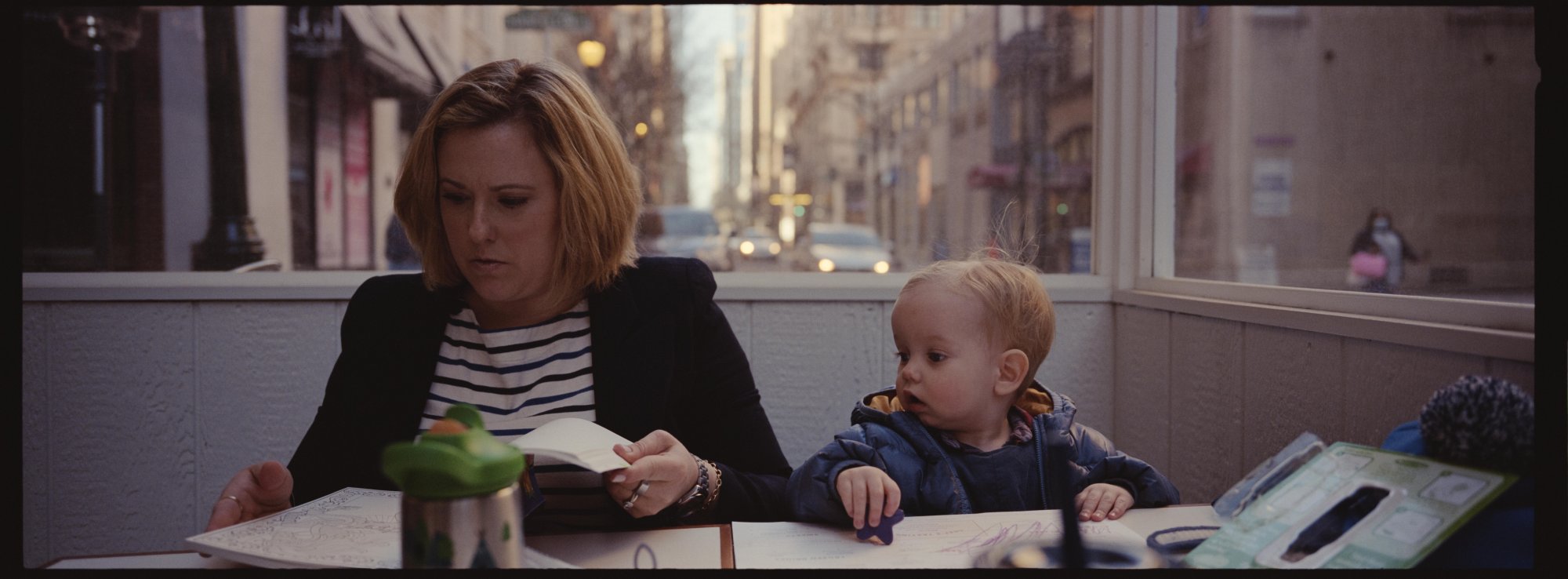
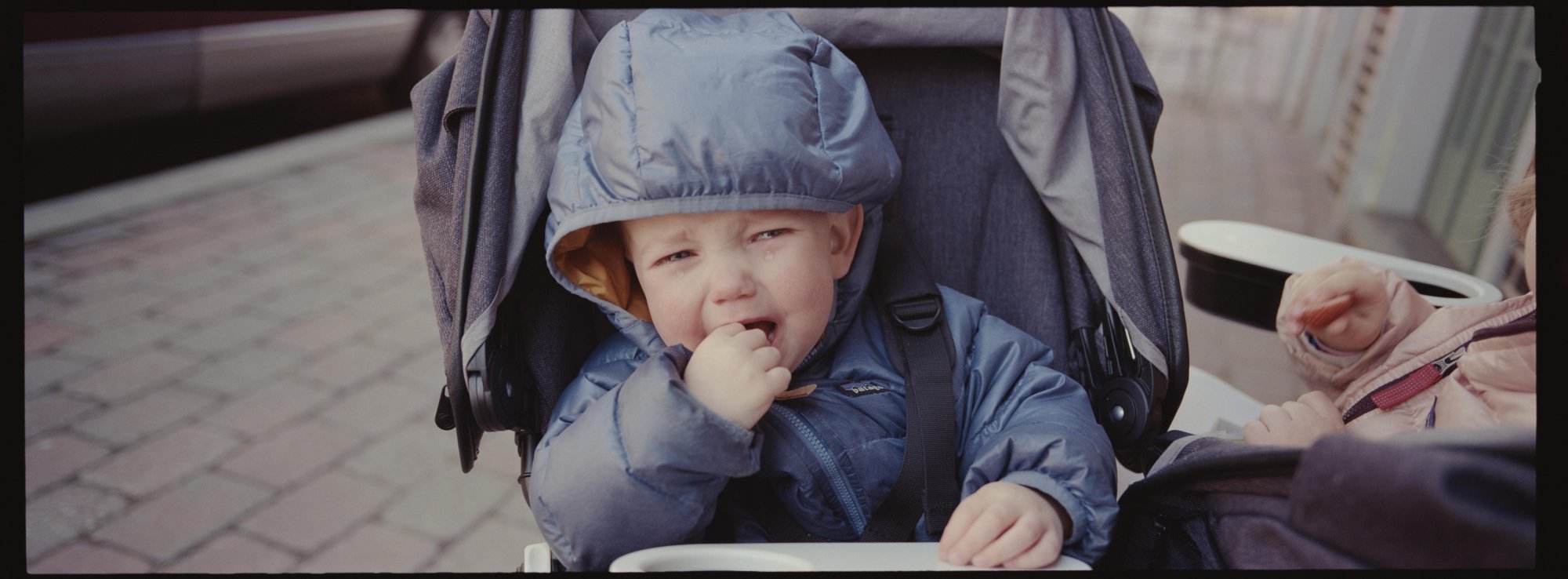
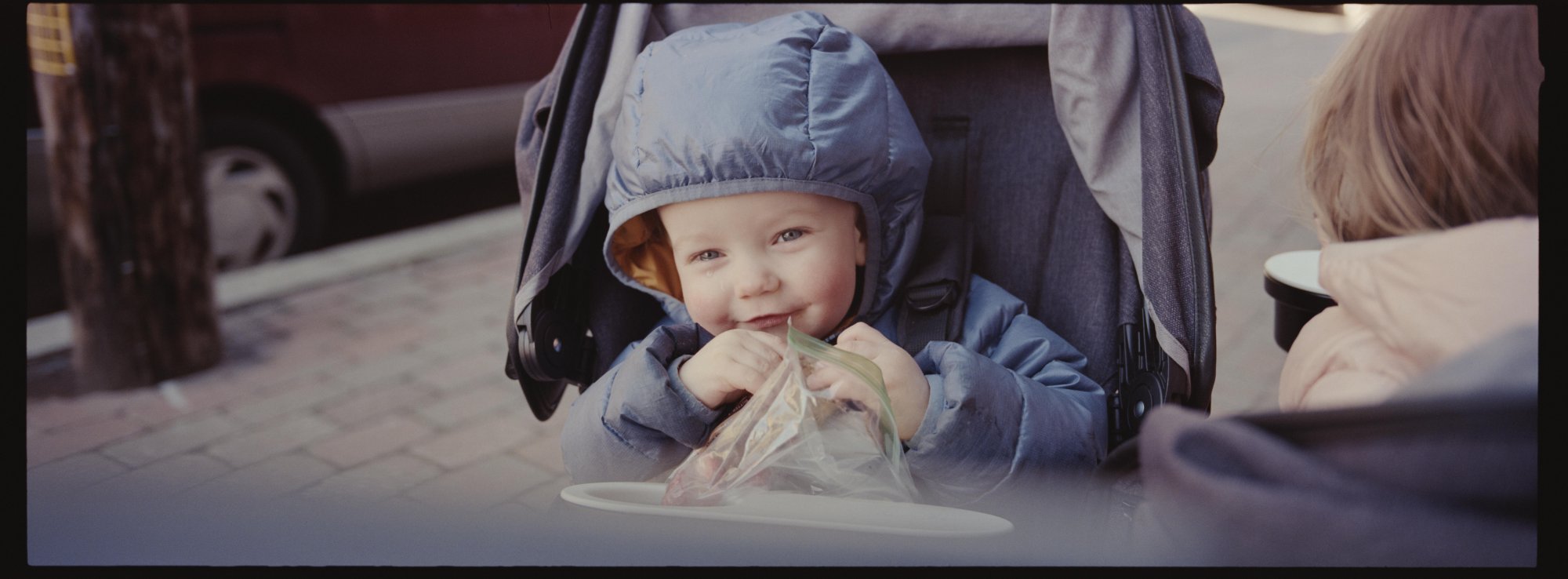
Pretty much every improvement in camera manufacture and editing software is designed to make our images look more like film… Just shoot film to begin with.
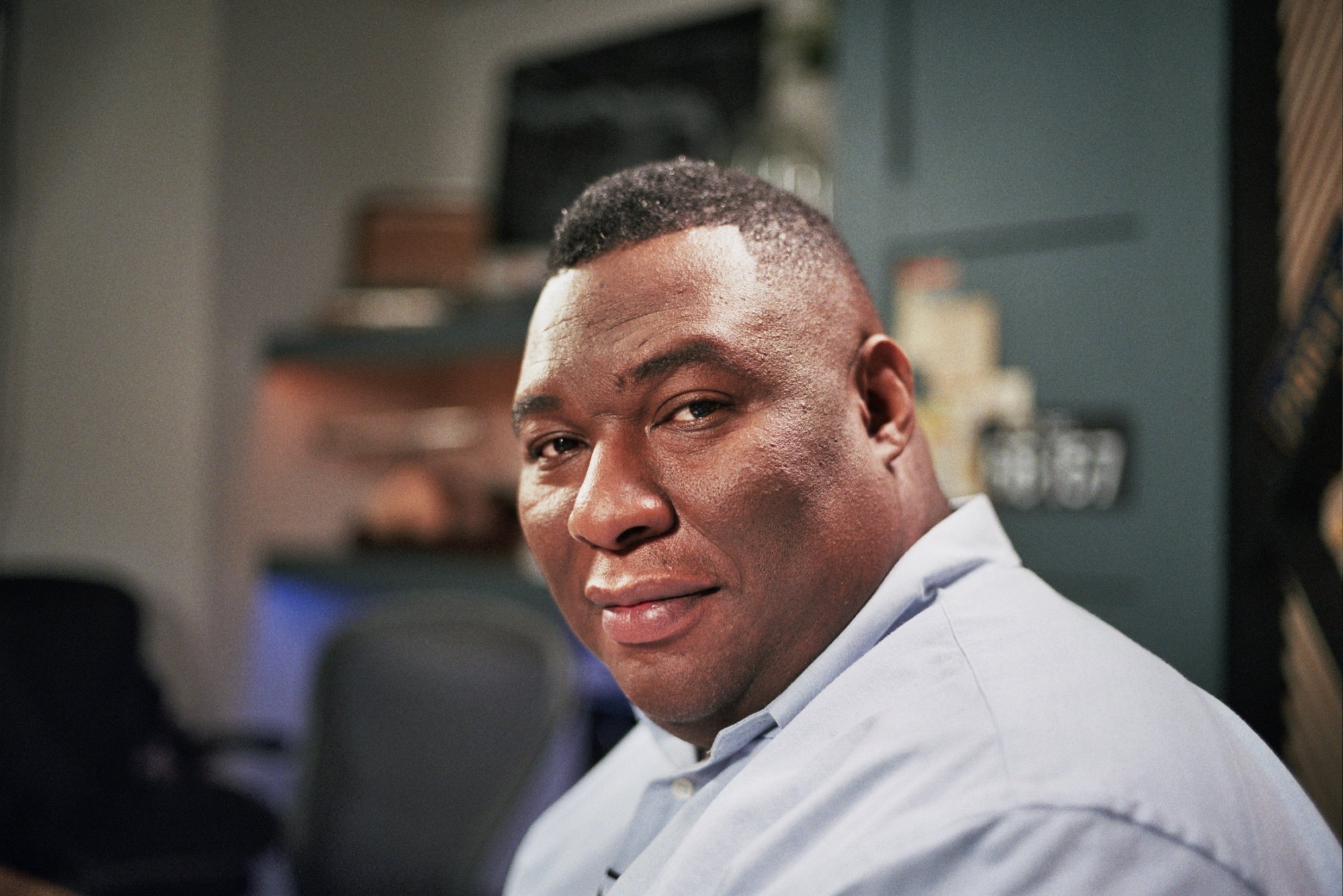
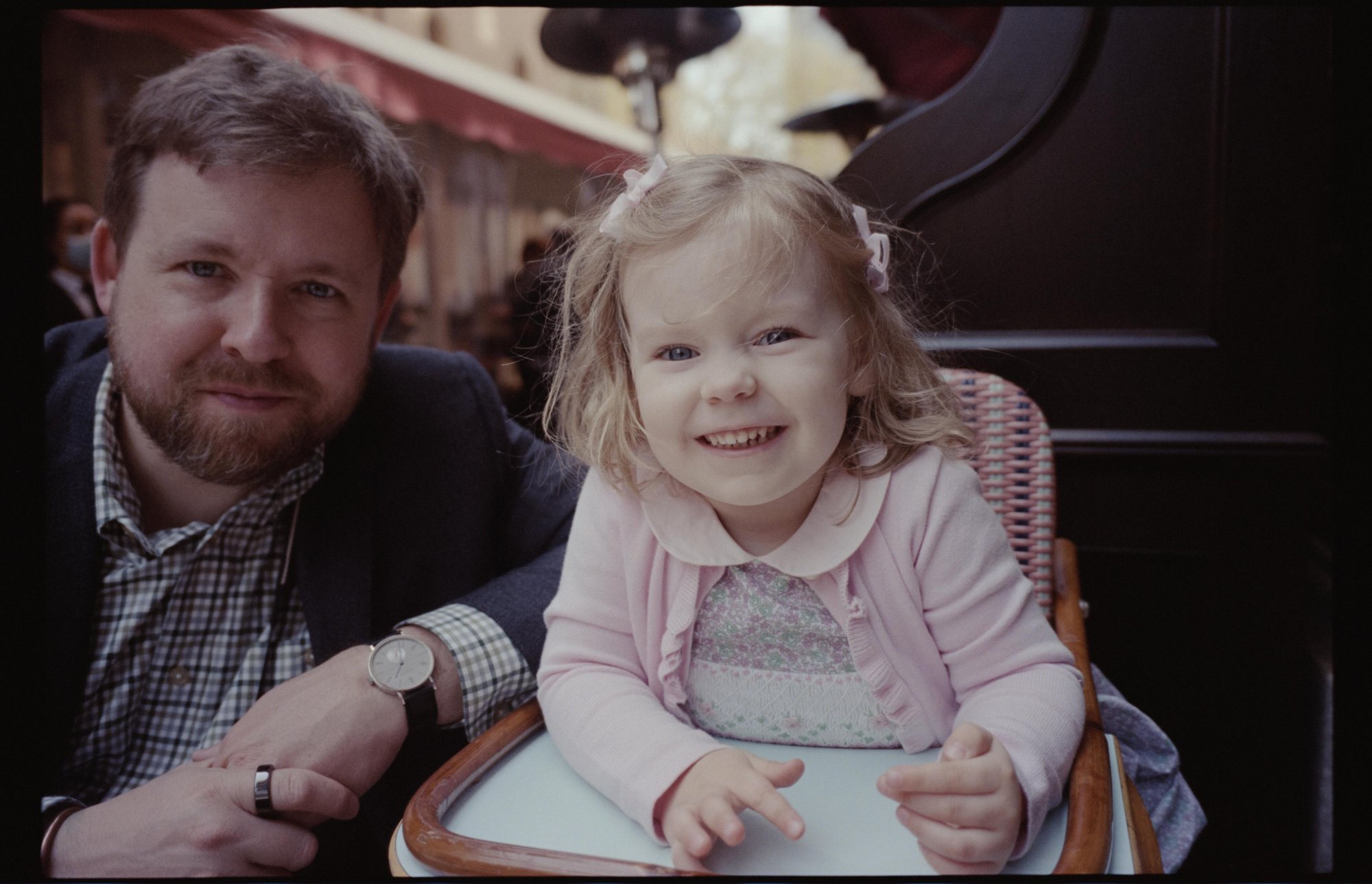
Here's a film shot followed by the digital version with some editing. The digital setup cost 3x as much.

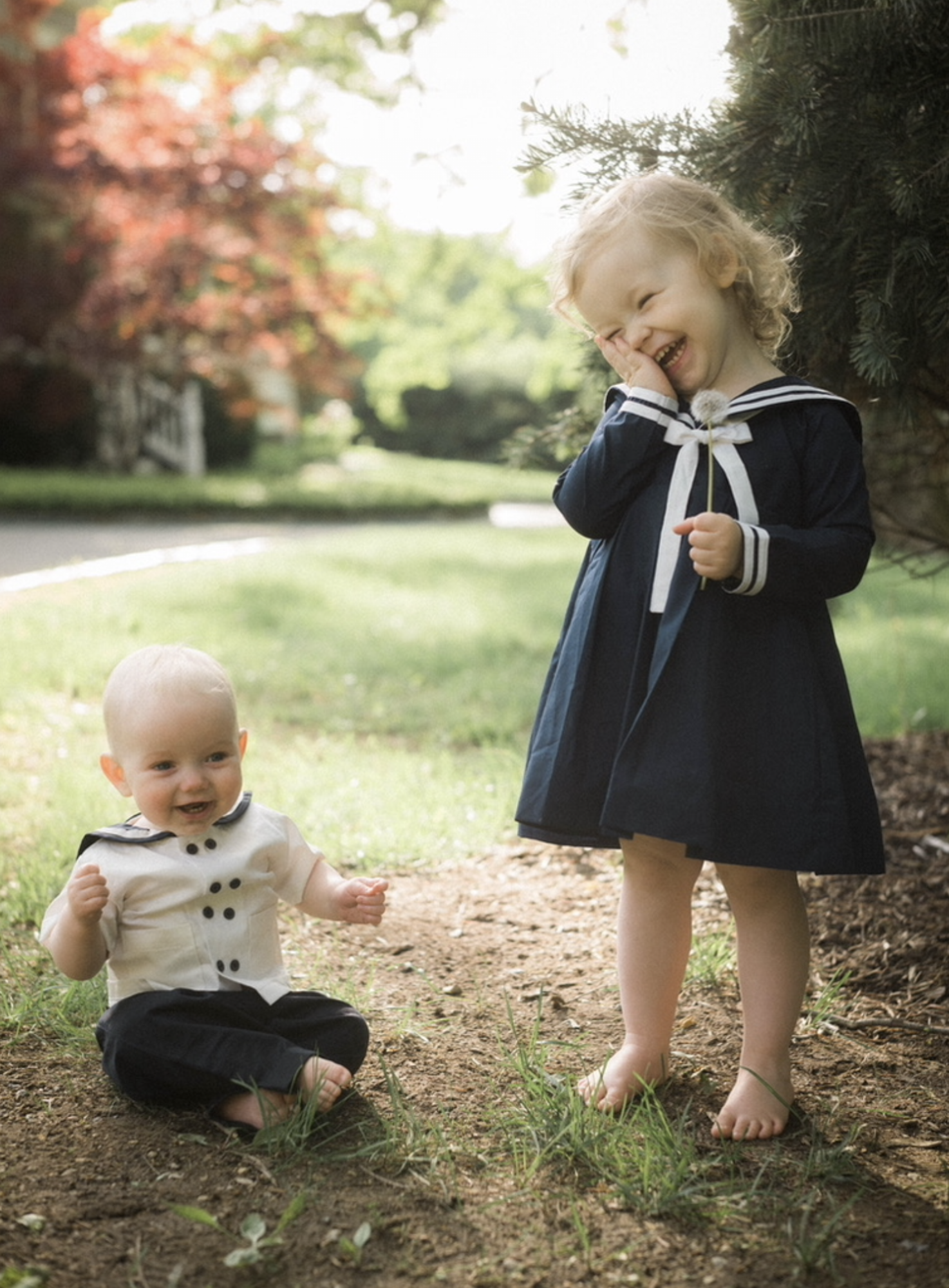
Yes, film photography is way cheaper. You can get an incredible camera a) with lenses, b) that's already lasted 50 years and c) will last another 50, for <$200.
The best bargain out there right now is the Olympus OM-1, by the way. It's... amazing.
c4qqk2nsA "full-frame digital" equivalent (it won't even be half as good) with lenses will start at $3,000 and will be broken or obsolete in less than 10 years, and I'm being being charitable.
Digital photography is a trap, and this is from a guy who owns a lot of digital cameras (which have their place/uses, just not for maximizing the enjoyment of photography).
One of my favorite cameras is this little half-frame Olympus Pen from the 1950s that I got for less than $100. It's got a beautiful lens, fits in a jacket pocket, takes 72 shots per roll, and like most of my film cameras, needs no battery.
Think about that for a second... how refreshing that is. This camera could sit in a drawer for 5 years, 10 years, and be pulled out and take a beautiful shot that very moment. Here are some grainy black-and-whites.
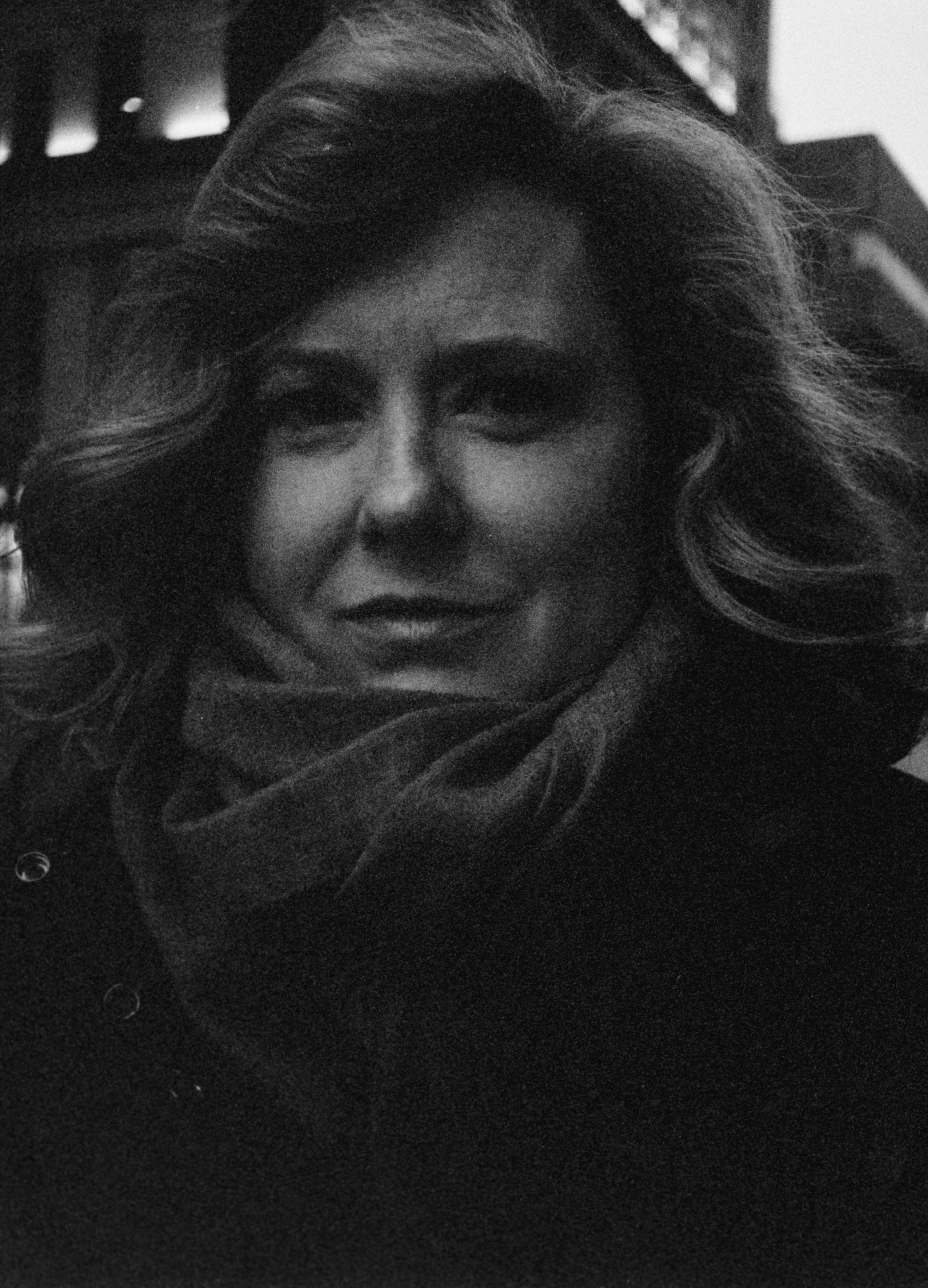
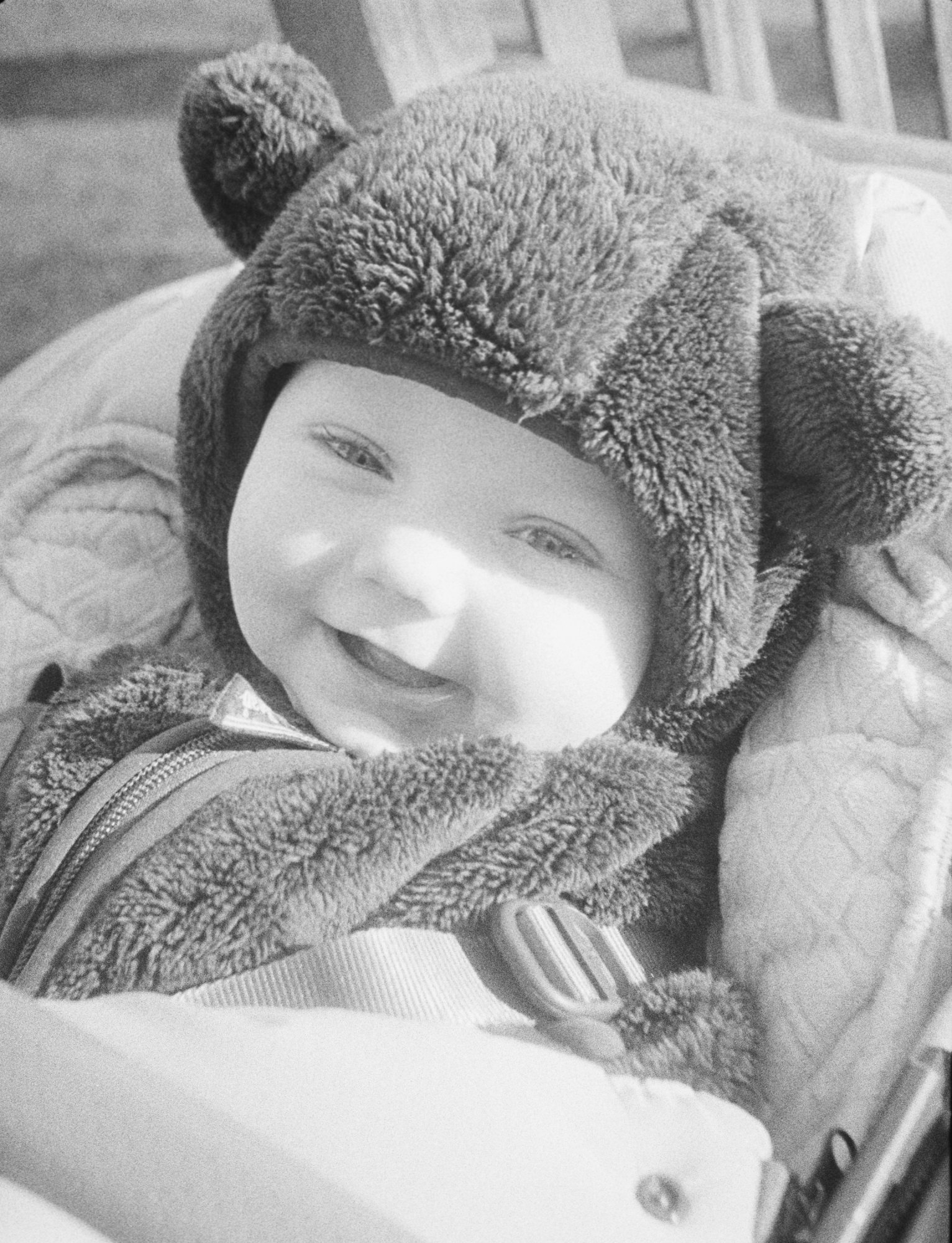
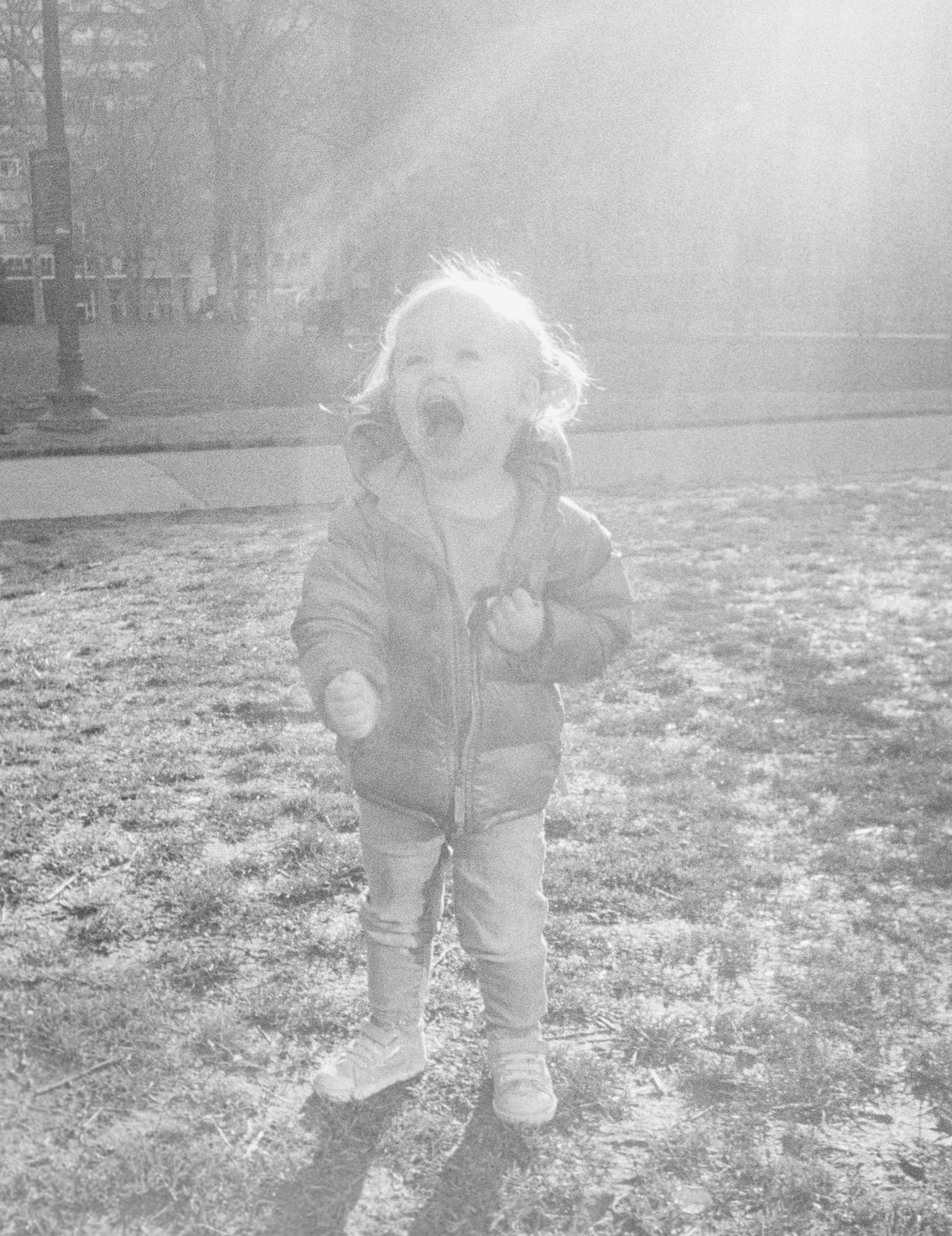
Here are a bunch of half-frame shots I took with the Pen in the winter before the world locked up. It didn't take any time to clean up or color because it just looks nice. The Pen is in portrait mode by default, so you get these unintentional side-by-side mini-stories/diptychs.
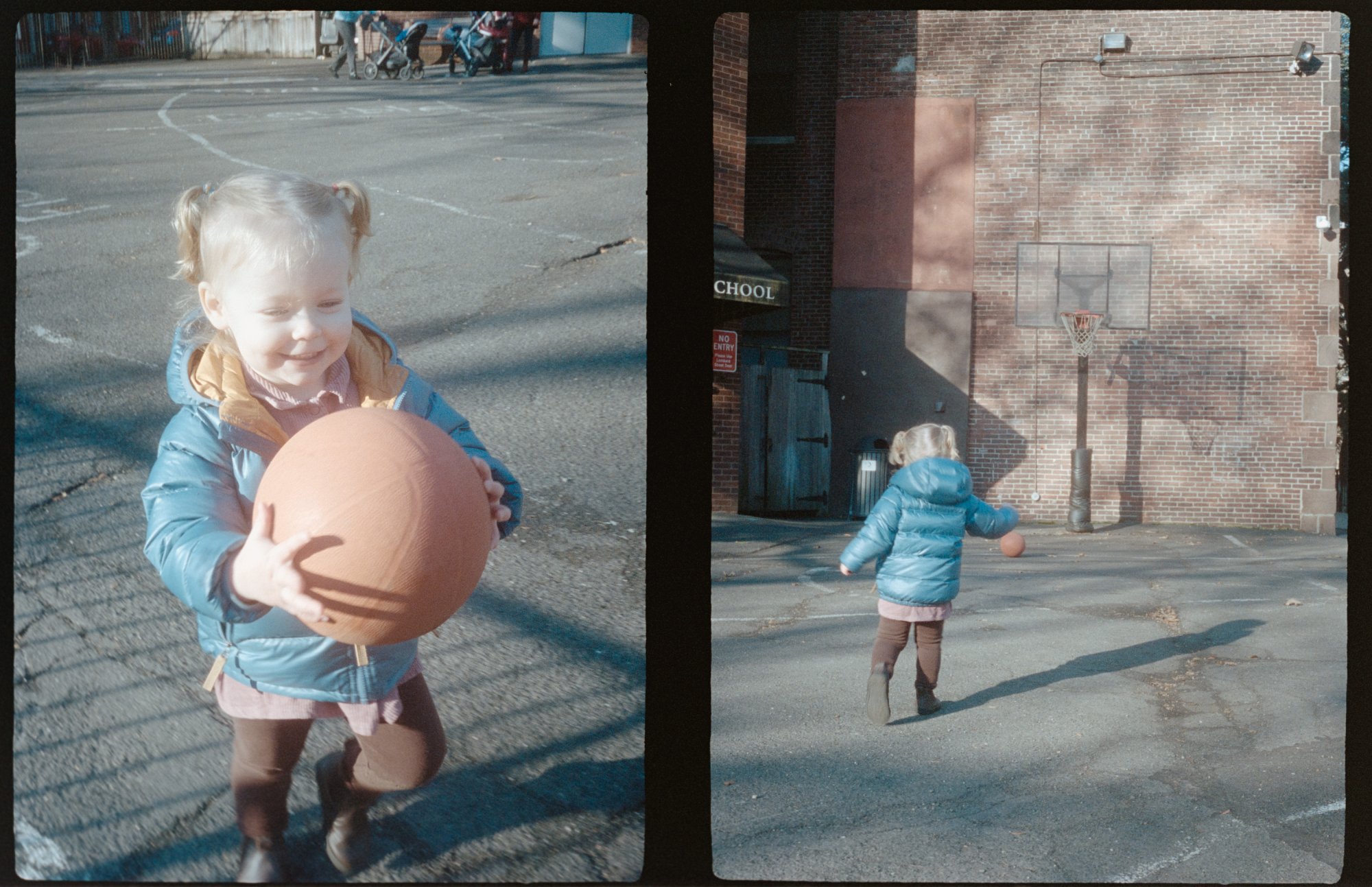
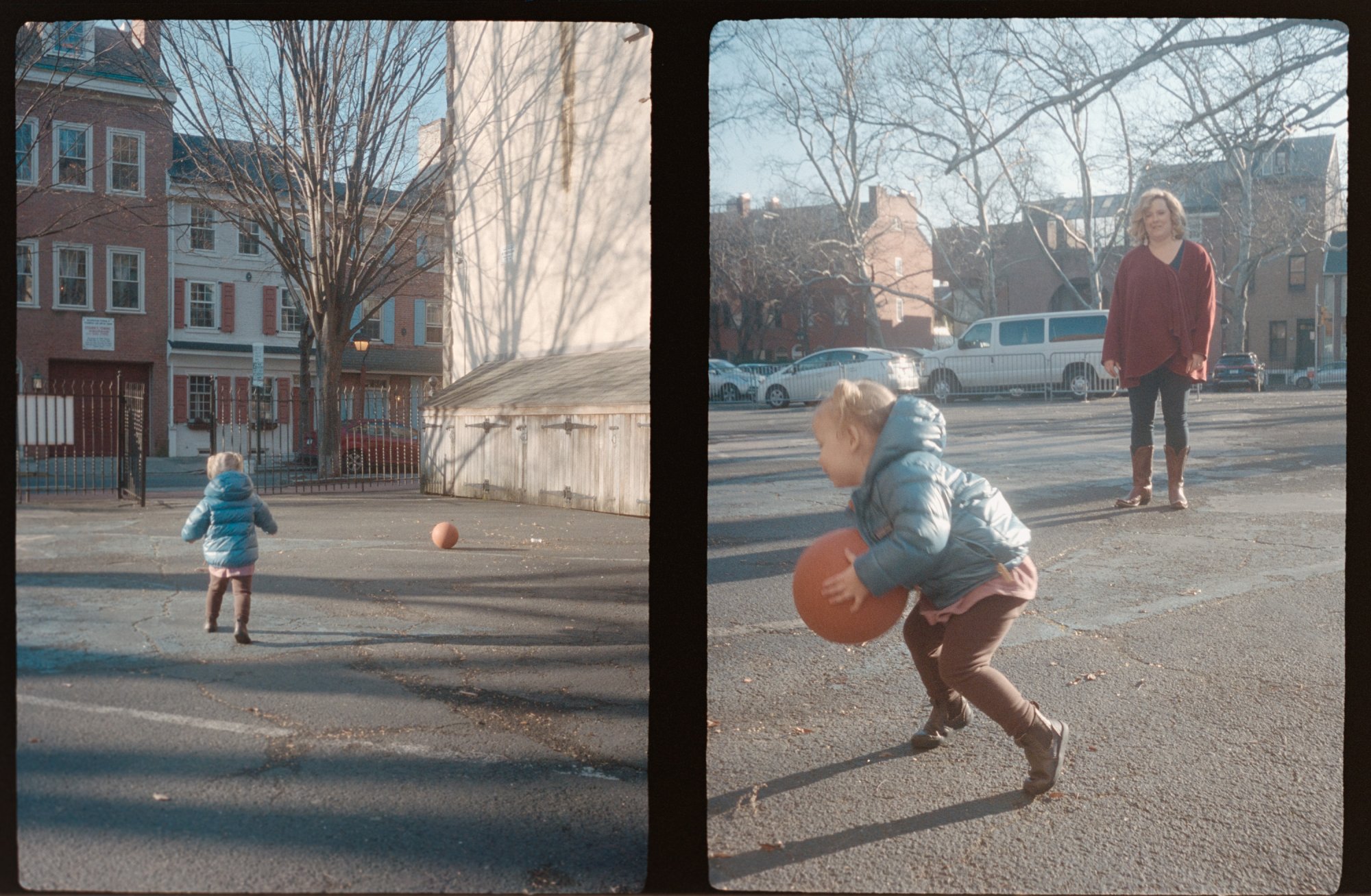
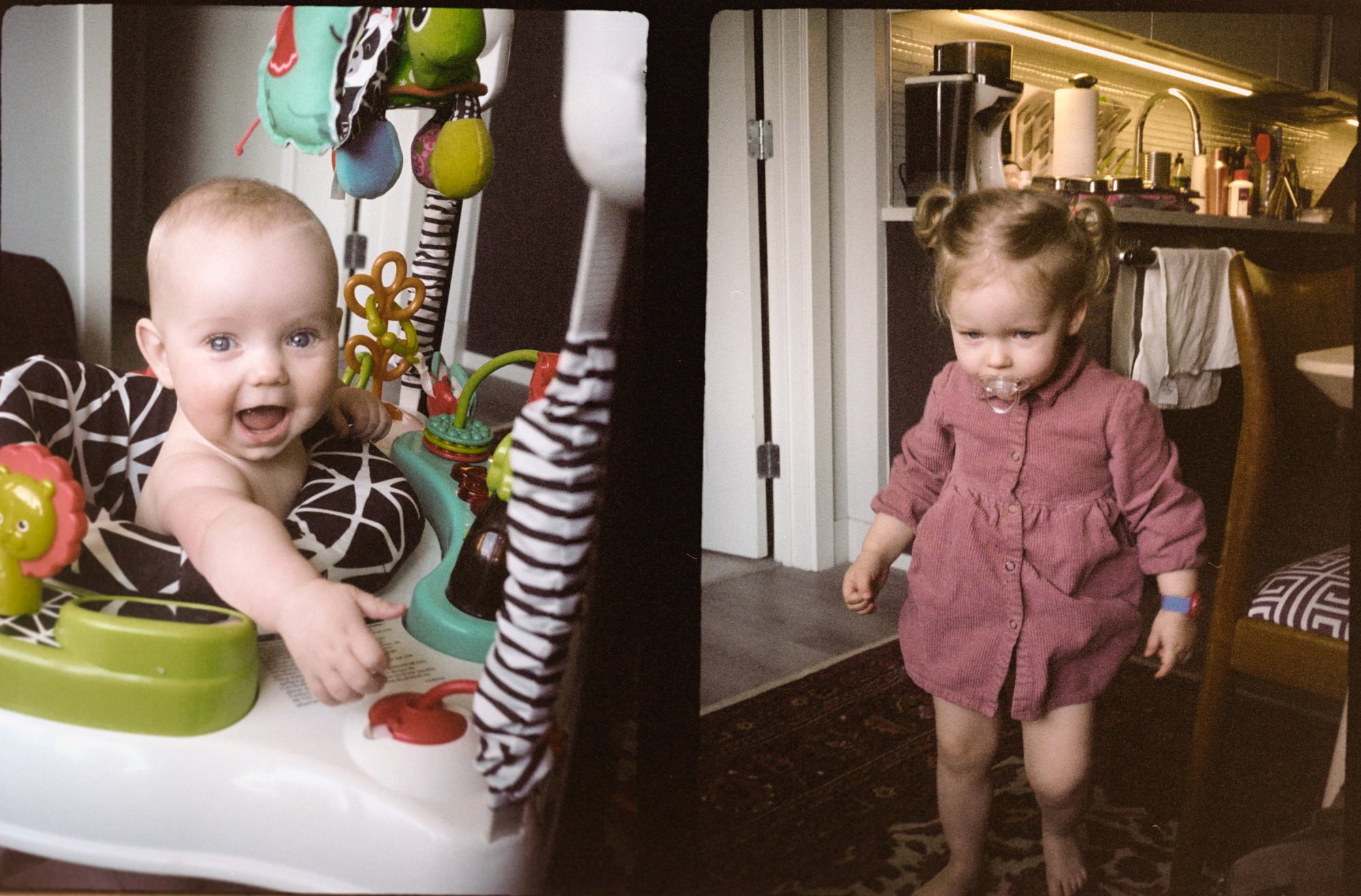
And with the Olympus Pen, I'm intentionally showing you the "lowest quality" film camera I have.

Film is the best quality and the least costly. Look, is it the most convenient thing in the world? Not usually. Is it the best tool for low light and sports and nature photography? No.
But it's the most fun. And why are we doing any of this stuff anyway?
-
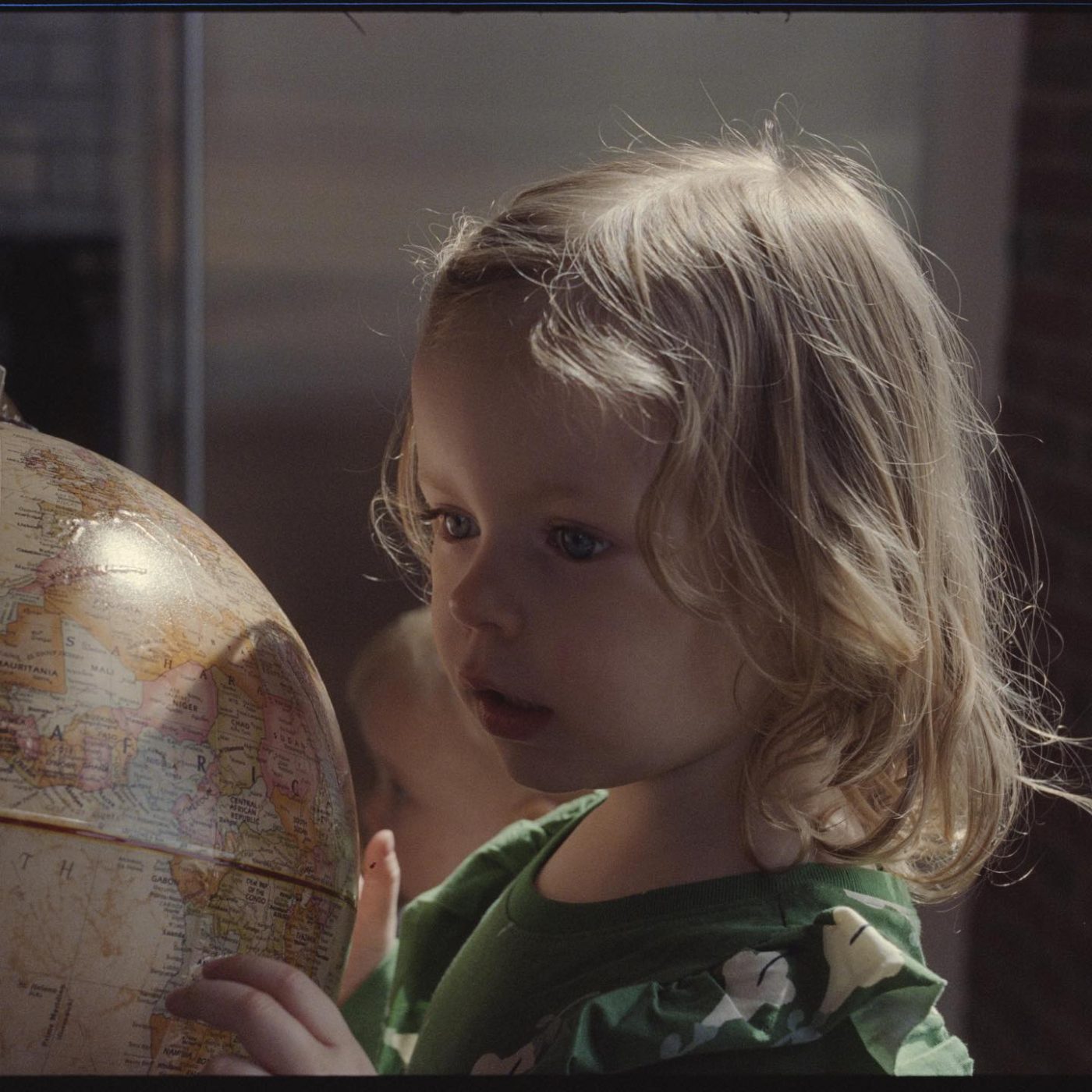
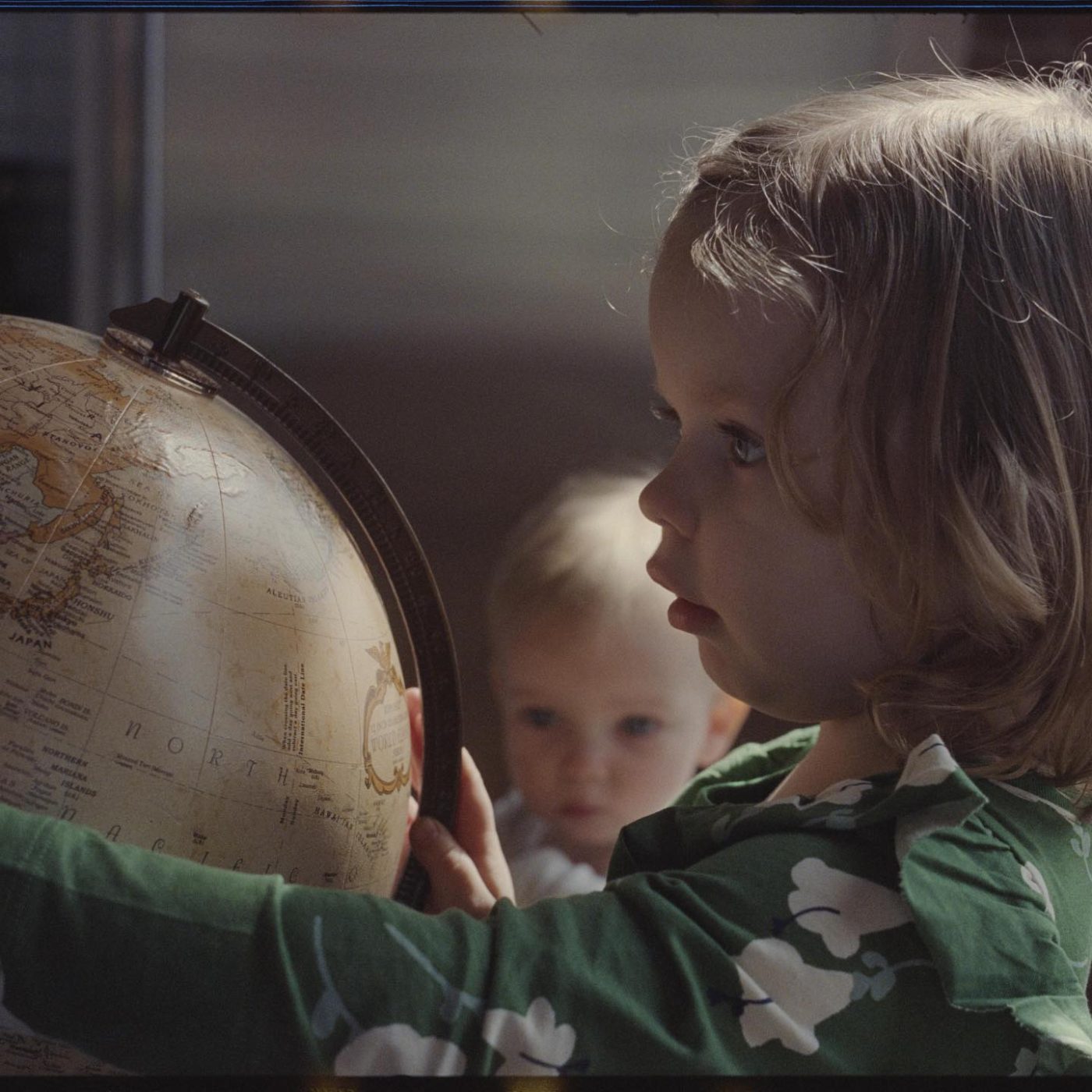
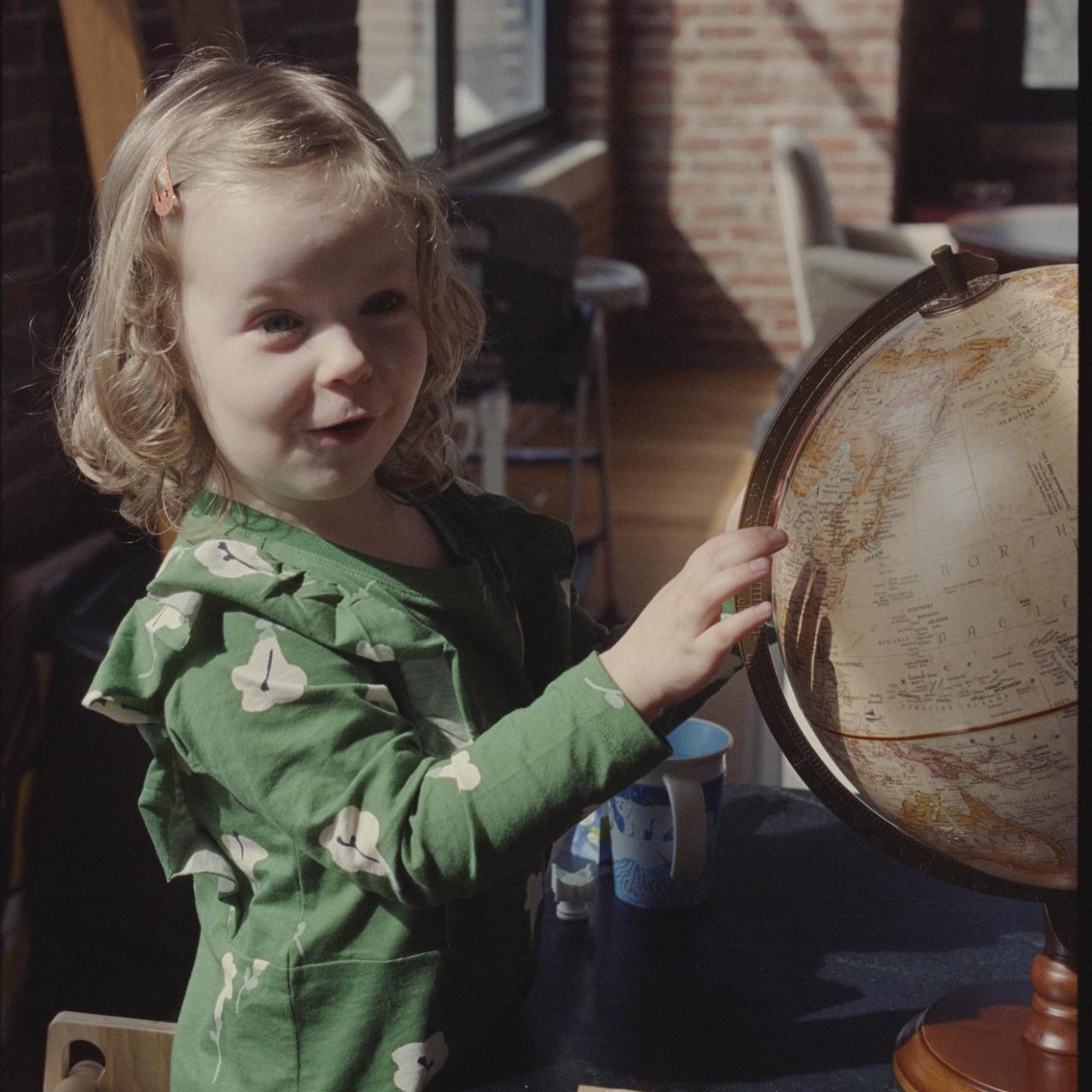
Globe and film processing capabilities have arrived.
-
The Alarm Clock Fallacy
For years, I tried to use workflows, software (and people) to get me to do things that, for whatever reason, I wasn’t doing.
I thought they could act as an alarm clock for Important Work. I wasn’t wrong, but there’s something important I failed to notice about an alarm clock. 👇
An alarm clock doesn’t help you get up. An alarm clock helps you get up at a specific time. Getting up is something the vast majority of people (and animals) already do.
Applying an alarm clock, a specific adjustment/enhancement, to something you aren’t doing, is broken.
Yes, this has been said to me in many different ways over the years (Just Do It), but my obsession with tools and ideas and optimizations and Thought Technologies™ always seduced me into believing that if I could just find a better workflow, I would do this stuff that eludes me.
See, I have experienced benefits from workflow obsession. As someone for whom mouse usage and email became obvious problems early in my career as a video editor/creative consultant, applying the alarm clock of GTD-ish concepts and keyboard shortcuts saved my ability to work.
But I was already editing video every day and responding to emails every day. These enhanced workflows improved everything I was already doing.
Then I tried to apply workflows to writing the screenplays I wasn’t writing. This quickly becomes a dark pattern.
To be charitable, even this mistaken way of going about work has led to good things. Some of the greatest tools ever were built by frustrated artists who convinced themselves the tools were the problem. And the tools were a problem, just not their problem.
In many cases, these toolmakers ultimately found their own joy and creative expression in creating these tools and contributing them to the world. I think that’s beautiful, even if it began in confused frustration.
One example from my life currently: For years, I’ve tried to get my todo list to help me do my creative work. Revealing to you how many iterations of this I’ve been through feels like an alcoholic admitting to a therapist how much he drinks.
Too many. We’ll leave it at that.
For the first time ever (really really actually this time), I’m turning to my (not over-engineered) todo list to help me with what I’m already doing creatively. It’s providing a little clarity and prompts for next actions. It’s behaving the way an alarm clock really behaves.
These threads/posts that I’m writing every day, if they serve no other purpose (they do), they are a foundation of writing activity that opens up a world of possibilities/directions/enhancements/workflows/whatever-I-feel-like. They are a baseline of creative flow.
If I’m not doing anything, there’s nothing to practice or improve.
Ultimately, I had to consider creative practice from the opposite angle: What is the simplest, easiest, most sustainable thing-I-could-call-creative that I can do RIGHT NOW?
Then alarm clocks from there.
For the record, once you marry/partner with a lark or have kids (I did both), an alarm clock isn’t really a thing anymore, but I digress.
-
I Love Storms
It just stormed really hard here in Philadelphia for like 5 minutes.
I love storms. Particularly when I feel like I can just be in them, experience them fully, from a place of relative safety. 👇
There’s nothing like being in full snow gear in a massive snow storm, walking up a long hill in the woods. You can shout and your voice stops an arm’s length from you.
Or being in full raingear in a torrential downpour with a hundred lightning strikes per minute.
I’ve been in many storms at key moments in my life. The truth is tha they probably became key moments in my life because of the storms.
Like each of its component thunderclaps, a big storm is like a sudden explosion through the normal everyday experience of the air we breathe and walk around in.
It’s a cue to pay attention. You can’t help but pay attention.
You keep paying attention.
A bit softer, gentle rain falling while you sit on a porch. The smells. The fragrant mist that rises from the impact of each raindrop.
ofter still, just a brisk wind, cloudy, a couple of leaves blowing by.
We all need a storm once in a while to jog us back into awareness that we’re alive, to remind us of real danger, not the dangers we make up, and that even in that brilliant, chaotic danger, we are here.
May we all be safe, and well, and happy, and awake for every storm.
-
I Love Storms
I’ve been in a weird mood, sorry if it becomes unbearable. I wrote about how much I love storms.
It just stormed really hard here in Philadelphia for like 5 minutes.
I love storms. Particularly when I feel like I can just be in them, experience them fully, from a place of relative safety. 👇
There’s nothing like being in full snow gear in a massive snow storm, walking up a long hill in the woods. You can shout and your voice stops an arm’s length from you.
Or being in full raingear in a torrential downpour with a hundred lightning strikes per minute.
I’ve been in many storms at key moments in my life. The truth is tha they probably became key moments in my life because of the storms.
Like each of its component thunderclaps, a big storm is like a sudden explosion through the normal everyday experience of the air we breathe and walk around in.
It’s a cue to pay attention. You can’t help but pay attention.
You keep paying attention.
A bit softer, gentle rain falling while you sit on a porch. The smells. The fragrant mist that rises from the impact of each raindrop.
ofter still, just a brisk wind, cloudy, a couple of leaves blowing by.
We all need a storm once in a while to jog us back into awareness that we’re alive, to remind us of real danger, not the dangers we make up, and that even in that brilliant, chaotic danger, we are here.
May we all be safe, and well, and happy, and awake for every storm.
-
Losing a Mother at 5 Years Old
My mom died when I was 5 years old (33 years ago). I think I’m doing okay with it but it’s hard to know.
It’s a tricky age to have that happen.
The problem with 5 years old, I think (and I don’t know anything, for the record, I’m just making sense of my experience here), is that you’re old enough to understand your mom died but not really old enough to do anything with that.
In my case I just kind of turned off my emotion chip for a while (a couple decades?). Like sometimes it would fritz out and I’d fly into a rage, but I don’t remember feeling sad really. In my recollection I could count on one hand the number of times I cried.
This might be the best way to describe the dissociation: Today, when I hear that a child has lost a parent, I feel compassionate feelings about that tragedy (my emotion chip works now), but it does not occur to me that I share that child’s experience.
It’s the most bizarre thing: I’ll be thinking about how sad it is that a 45-year-old dropped dead leaving two little kids behind, but something will have to explicitly jog my memory for me to think “Oh… right… My mom died too… I have experience with this.”
The truth is that I don’t feel like I actually have experience with it.
I was too young—wait, that doesn’t make any sense—That’s the experience, the one we’re talking about, losing a parent when you’re young!
And by the way, ask anyone who knows me: I like to share my experience, maybe too much. Every exchange I have is comparing experiences, looking for similarities, verifying assumptions, etc.. It’s what I do.
But not with (probably) the most important event of my life.
The other issue I’ve had with losing my mom that young is, by the time I got around to “doing something with it” it was already so long ago. 5-year-old me just doesn’t have much to say about it.
I remember we had the memorial service on a weekday at the Unitarian church where my pre-school/kindergarten was in the basement. I wore a double-breasted navy blazer with brass buttons.
It was very important to me that my friends downstairs see me dressed up importantlike.
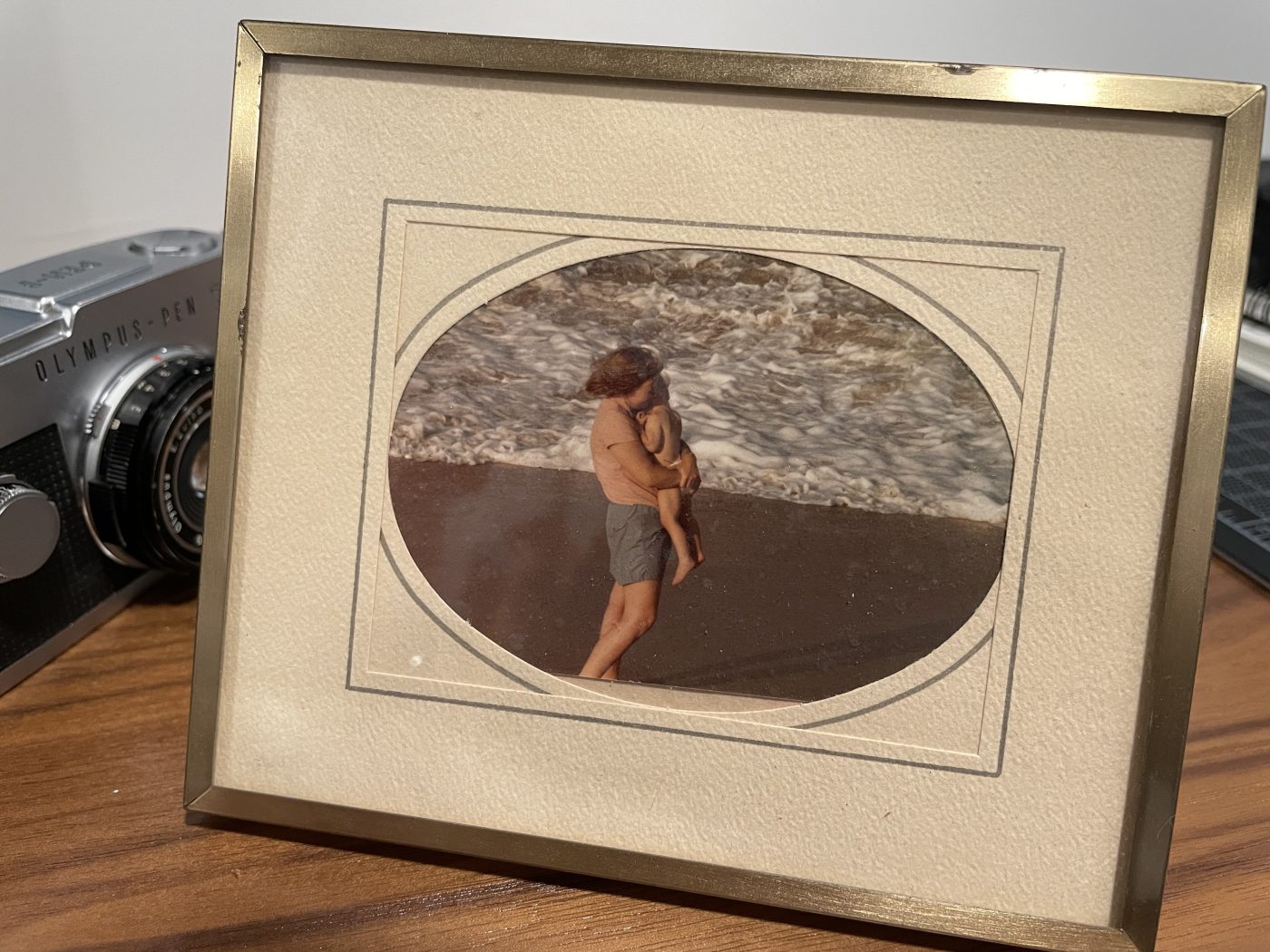
I have this one picture of my mom, who I don’t remember much. I was looking at it today and it stirred the emotions that led to this post. Now that I have kids it means a lot more to me, how devastated I would be to leave my kids (I mean, I’d be dead, but—you know what I mean).
The reason this picture makes me emotional now is that I wish I could let her know that I’m okay. Not to worry.
I feel I can relate much more to her experience than my own.
I’m happy to be able to write this down because it’s helped me to do so, and I’m happy to be able to share it in case there’s anyone else whose experience is like mine and, like me, they just haven’t heard others talk about it much
-
Losing a Mother at 5 Years Old
I wrote about some of the tricky things about losing a mother when you're 5.
My mom died when I was 5 years old (33 years ago). I think I'm doing okay with it but it's hard to know.
It's a tricky age to have that happen.
The problem with 5 years old, I think (and I don't know anything, for the record, I'm just making sense of my experience here), is that you're old enough to understand your mom died but not really old enough to do anything with that.
In my case I just kind of turned off my emotion chip for a while (a couple decades?). Like sometimes it would fritz out and I'd fly into a rage, but I don't remember feeling sad really. In my recollection I could count on one hand the number of times I cried.
This might be the best way to describe the dissociation: Today, when I hear that a child has lost a parent, I feel compassionate feelings about that tragedy (my emotion chip works now), but it does not occur to me that I share that child's experience.
It's the most bizarre thing: I'll be thinking about how sad it is that a 45-year-old dropped dead leaving two little kids behind, but something will have to explicitly jog my memory for me to think "Oh... right... My mom died too... I have experience with this."
The truth is that I don't feel like I actually have experience with it.
I was too young—wait, that doesn't make any sense—That's the experience, the one we're talking about, losing a parent when you're young!
And by the way, ask anyone who knows me: I like to share my experience, maybe too much. Every exchange I have is comparing experiences, looking for similarities, verifying assumptions, etc.. It's what I do.
But not with (probably) the most important event of my life.
The other issue I've had with losing my mom that young is, by the time I got around to "doing something with it" it was already so long ago. 5-year-old me just doesn't have much to say about it.
I remember we had the memorial service on a weekday at the Unitarian church where my pre-school/kindergarten was in the basement. I wore a double-breasted navy blazer with brass buttons.
It was very important to me that my friends downstairs see me dressed up importantlike.
I have this one picture of my mom, who I don't remember much. I was looking at it today and it stirred the emotions that led to this post. Now that I have kids it means a lot more to me, how devastated I would be to leave my kids (I mean, I'd be dead, but—you know what I mean).
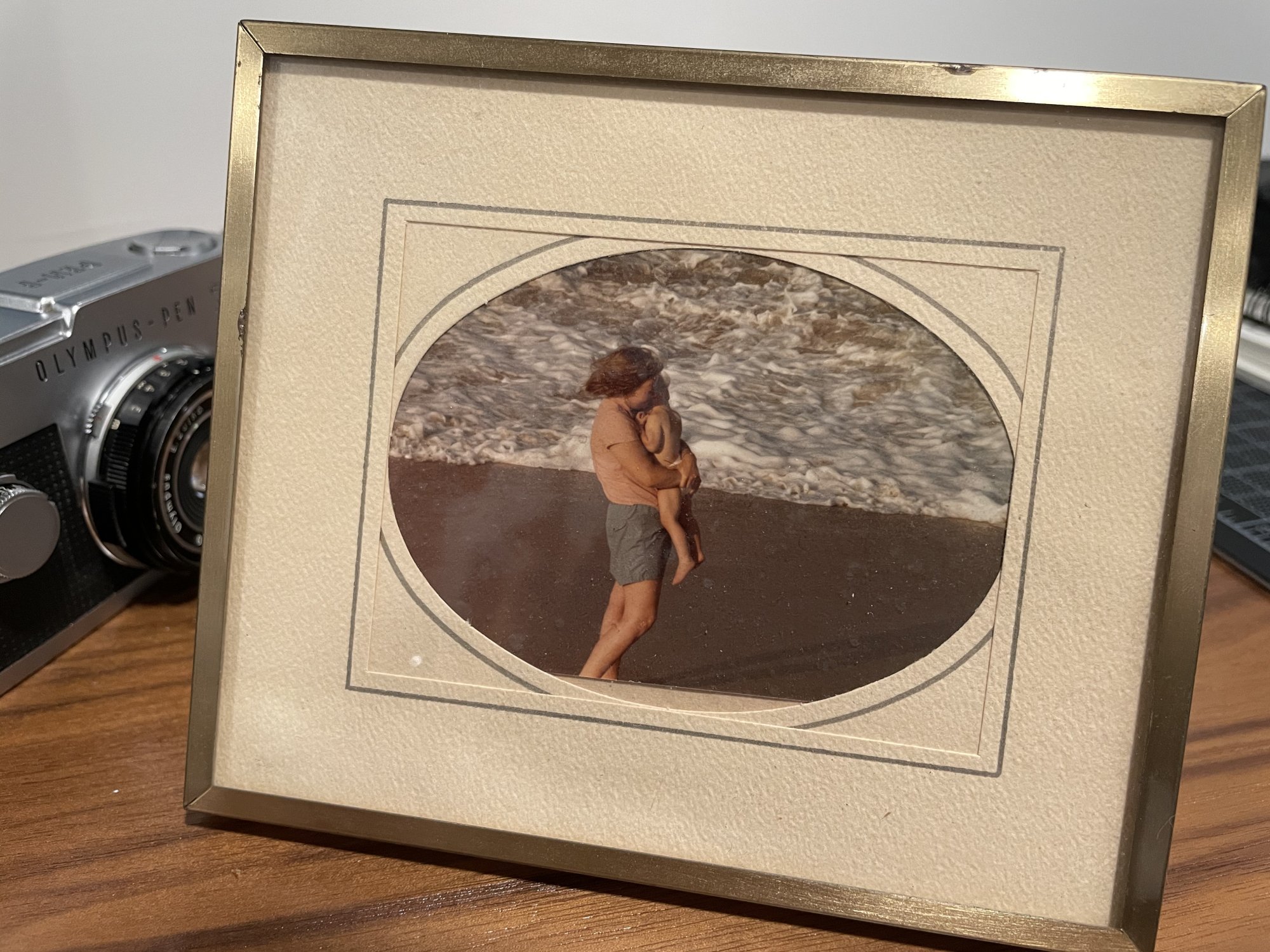
The reason this picture makes me emotional now is that I wish I could let her know that I'm okay. Not to worry.
I feel I can relate much more to her experience than my own.
I'm happy to be able to write this down because it's helped me to do so, and I'm happy to be able to share it in case there's anyone else whose experience is like mine and, like me, they just haven't heard others talk about it much
-
Capturing Fleeting Thoughts
“Capturing” is itself an illusion.
All expression in the embodied world is simply editing, pulling small snippets of the expansive whole and showing it back to itself. 👇
There’s a desire to grab ahold of thoughts and experiences. To hold on to them forever, but they both cannot be held and are always being held. Just not by ME.
The very notion of ME is what’s separating my experience from the felt sense of being held in a field of all that is.
I would rather consider that everything is always here, always with us, and it is in holding space to be present to it that the very parts that are needed automatically emerge, and we can pick and choose what to show to others in this embodied world.
It is all here. The sea from which all thought and all experience and every Thing emerges. There is nothing to hold on to. But there are infinite things to notice.
Trying or not trying. Nothing is lost.
A writing practice that allows for this openness and exploration and isn’t based on CAPTURING something “fleeting,” this is the gentle breath that kindles the fire of creativity.
-
Capturing Fleeting Thoughts
I wrote about a way to think about notetaking that removes some of the unnecessary anxiety.
"Capturing" is itself an illusion.
All expression in the embodied world is simply editing, pulling small snippets of the expansive whole and showing it back to itself. 👇
There's a desire to grab ahold of thoughts and experiences. To hold on to them forever, but they both cannot be held and are always being held. Just not by ME.
The very notion of ME is what's separating my experience from the felt sense of being held in a field of all that is.
((953SzmOyV))
((8GUU3Q6PO))
I would rather consider that everything is always here, always with us, and it is in holding space to be present to it that the very parts that are needed automatically emerge, and we can pick and choose what to show to others in this embodied world.
It is all here. The sea from which all thought and all experience and every Thing emerges. There is nothing to hold on to. But there are infinite things to notice.
((OUpLuabOp)) Trying or not trying. Nothing is lost.
A writing practice that allows for this openness and exploration and isn't based on CAPTURING something "fleeting," this is the gentle breath that kindles the fire of creativity.
-
Better Thinking Through Technology
I joined @BeauHaan’s Roam Book Club because even though I read @soenke_ahrens’s book back in early 2019, the way I tried to implement a Zettelkasten was truly cockamamie and insane. I’m really enjoying Beau’s writing prompts so far. Today’s thread is from today’s prompt. 👇
The problem with technology for augmenting thought is that it promises to make thought “better” without defining “better.”
Those of us who are intent on APPLYING ALL TECHNOLOGY skip this step: “Obviously the old way is dumb|inefficient|based on constraints that no longer apply.”
See, we get the new technology and how it works. We spend all of our attention on ways it can be used to “improve” on these dumb old ways.
One of our favorite, most obvious improvements, is Efficiency.
“Efficiency is better than inefficiency” feels like a safe assumption, especially in a market-religious world, but it fails to consider that there are many areas where efficiency isn’t desirable.
One of these areas is in critical thinking.
While there are parts of thinking where it’s desirable to improve efficiency, such as finding or rediscovering desirable bits of old thinking without friction, the core function of critical thinking does not benefit from efficiency.
Applying an efficiency optimization to critical thinking is like applying a warming optimization to a refrigerator. The point is the cold.
The point of thinking is being present to the automatic, self-connecting ideas that arise from stillness.
Efficiency is not relevant.
These “improvements” aren’t always as perfectly offbase. Another Refrigerator Disruptor™ might optimize for seeing what’s inside the refrigerator without needing to open it.
“Why are we still manually opening our refrigerators like animals?”
He begins sawing holes in the refrigerator.
He realizes that this lets warm air rush in, destroying the refrigerator’s food-preserving capabilities.
He pivots to transparent glass refrigerator doors. Nailed it…
Customers universally hate his refrigerator design, which primarily promotes anxiety and disgust.
Refrigerator Disruption Man™ is baffled because he has clearly solved a problem.
He started with the fact that people want to know what’s in their refrigerators. Their desire is obvious based on their behavior of opening the refrigerator door so many times every day. Conclusion: There’s inefficiency in manually opening a door just to check what’s inside.
It never occurred to Refrigerator Disruption Man™ that a core, not-often-acknowledged feature of the refrigerator is that it hides away your unsightly and disorganized food, allowing your chaotically stocked kitchen to present as calm and sterile.
It never occurs to many who are trying to create thought-augmenting technology that slow, random, open, quiet stillness, the opposite of traditional notions of Technological Efficiency, is the key feature of critical thinking to optimize for, not a bug to fix.
-
Better Thinking Through Technology
I wrote about what most tools for thought get wrong right out of the gate.
I joined @BeauHaan’s Roam Book Club because even though I read @soenkeahrens’s book back in early 2019, the way I tried to implement a Zettelkasten was truly cockamamie and insane. I’m really enjoying Beau’s writing prompts so far. Today’s thread is from today’s prompt. 👇
The problem with technology for augmenting thought is that it promises to make thought "better" without defining "better."
Those of us who are intent on APPLYING ALL TECHNOLOGY skip this step: "Obviously the old way is dumb|inefficient|based on constraints that no longer apply."
See, we get_ the new technology and how it works. We spend all of our attention on ways it can be used to "improve" on these dumb old ways.
One of our favorite, most obvious improvements, is Efficiency.
"Efficiency is better than inefficiency" feels like a safe assumption, especially in a market-religious world, but it fails to consider that there are many areas where efficiency isn’t desirable.
One of these areas is in critical thinking.
While there are parts of thinking where it's desirable to improve efficiency, such as finding or rediscovering desirable bits of old thinking without friction, the core function of critical thinking does not benefit from efficiency.
Applying an efficiency optimization to critical thinking is like applying a warming optimization to a refrigerator. The point is the cold.
The point of thinking is being present to the automatic, self-connecting ideas that arise from stillness.
Efficiency is not relevant.
These “improvements” aren't always as perfectly offbase. Another Refrigerator Disruptor™ might optimize for seeing what's inside the refrigerator without needing to open it.
"Why are we still manually opening our refrigerators like animals?"
He begins sawing holes in the refrigerator.
He realizes that this lets warm air rush in, destroying the refrigerator's food-preserving capabilities.
He pivots to transparent glass refrigerator doors. Nailed it…
Customers universally hate his refrigerator design, which primarily promotes anxiety and disgust.
Refrigerator Disruption Man™ is baffled because he has clearly solved a problem.
He started with the fact that people want to know what's in their refrigerators. Their desire is obvious based on their behavior of opening the refrigerator door so many times every day. Conclusion: There’s inefficiency in manually opening a door just to check what’s inside.
It never occurred to Refrigerator Disruption Man™ that a core, not-often-acknowledged feature of the refrigerator is that it hides away your unsightly and disorganized food, allowing your chaotically stocked kitchen to present as calm and sterile.
It never occurs to many who are trying to create thought-augmenting technology that slow, random, open, quiet stillness, the opposite of traditional notions of Technological Efficiency, is the key feature of critical thinking to optimize for, not a bug to fix.
-
Blackmagic Design Brand Photography
Blackmagic Design is a company that I’ve always made fun of, usually unfairly. They’re, frankly, amazing, and they’ve made incredible cameras and color science and color grading tools available at price points that are insane.
But their brand photography though… 👇
Blackmagic has done more to democratize filmmaking than maybe any other company ever. I love them. The OG Pocket Cinema Camera (the only one that should ever have been called “pocket”) will always be one of my favorite cameras ever.
But their brand photography is hilarious.
Everything that Blackmagic makes is decidedly good and the prices are great.
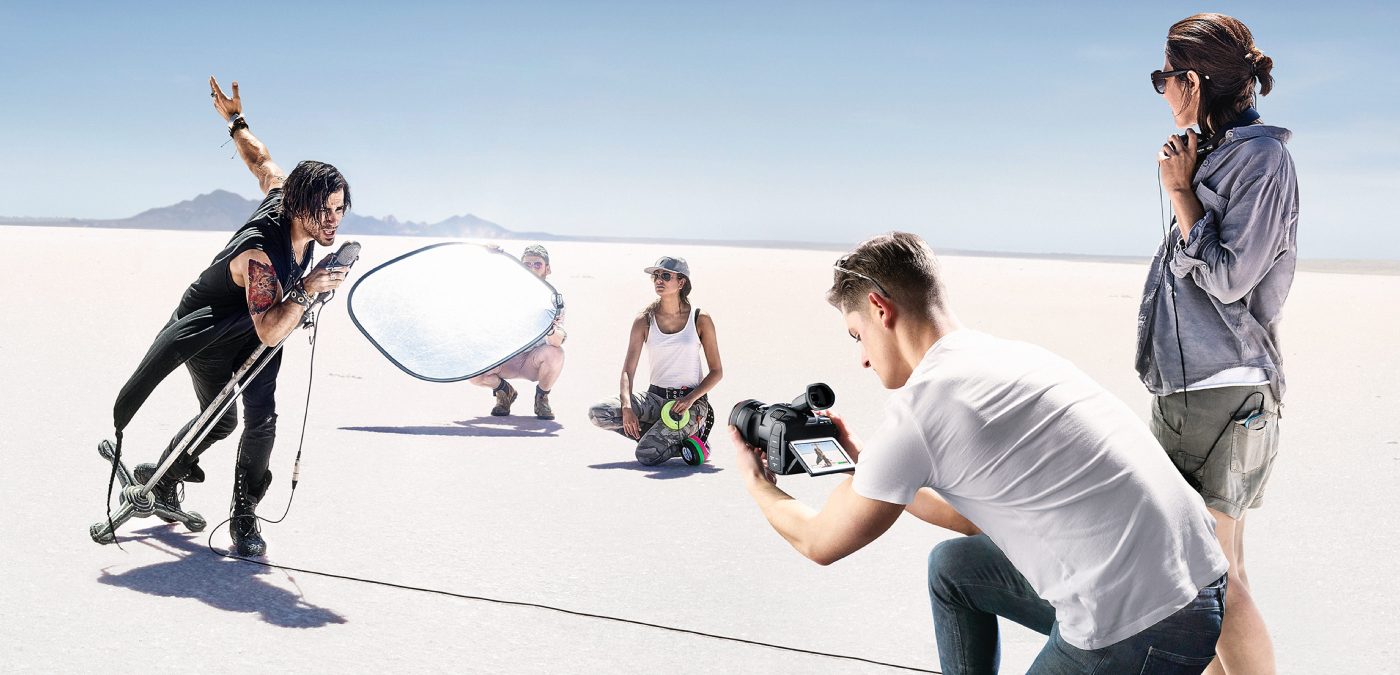
But the brand photography is usually beautiful people using Blackmagic products in ways that no one would ever use them, and these beautiful people are SO COMFORTABLE.
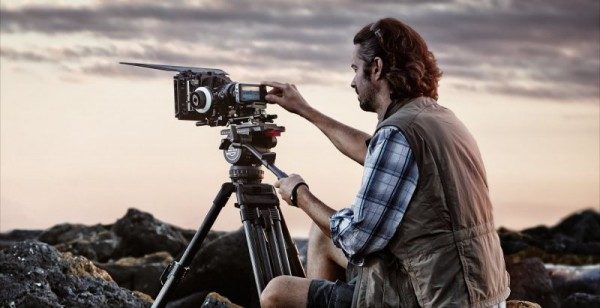
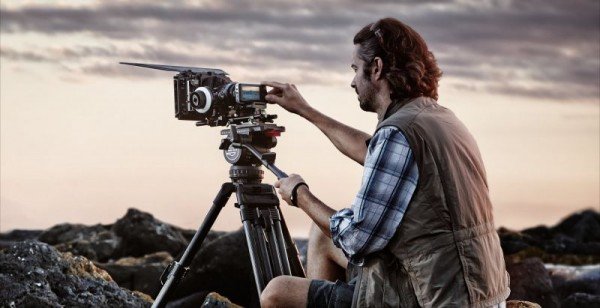
Look how comfy this camera op is. He’s apparently on a volcanic island surrounded by komodo dragons and his flannel shirt is Downie fresh. This man is so clean.
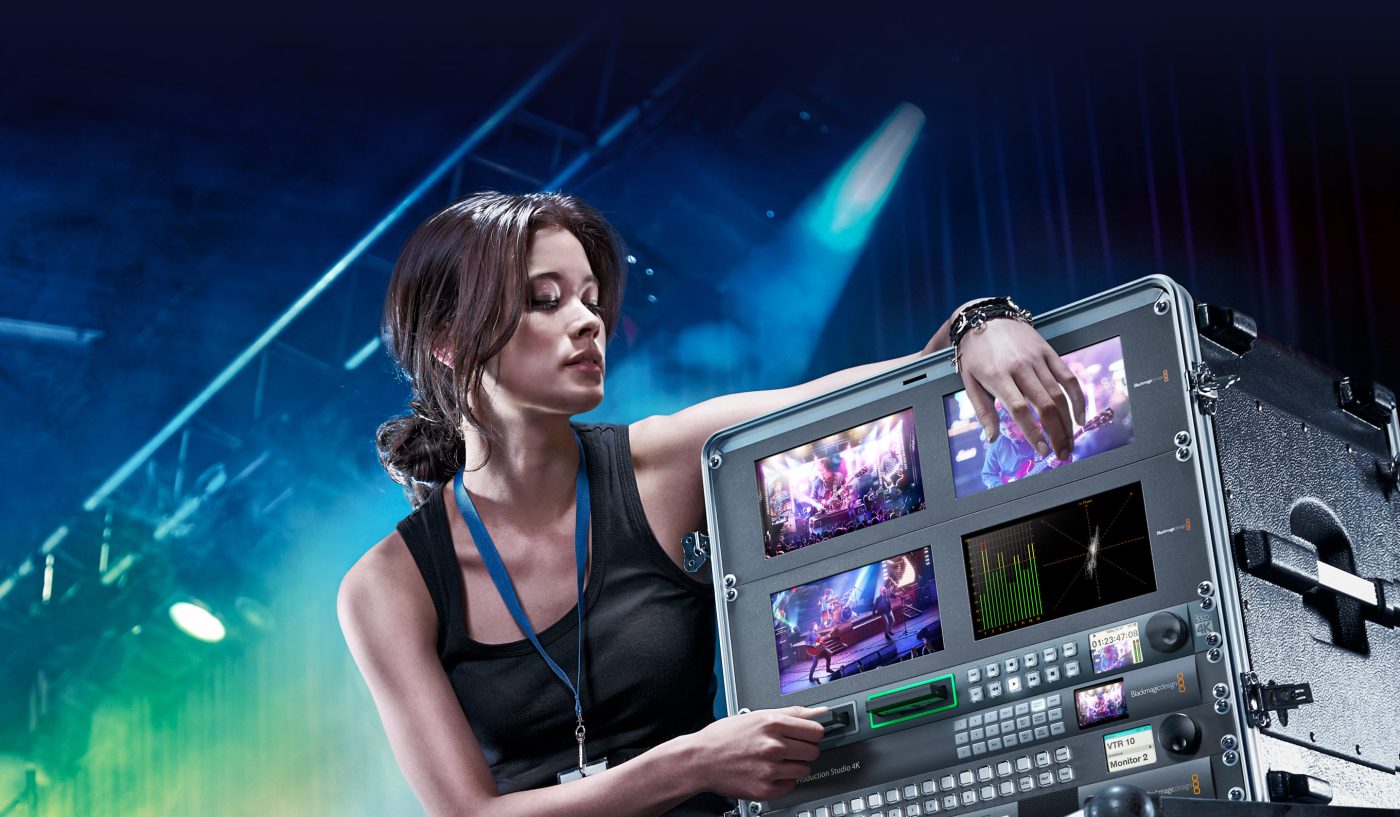
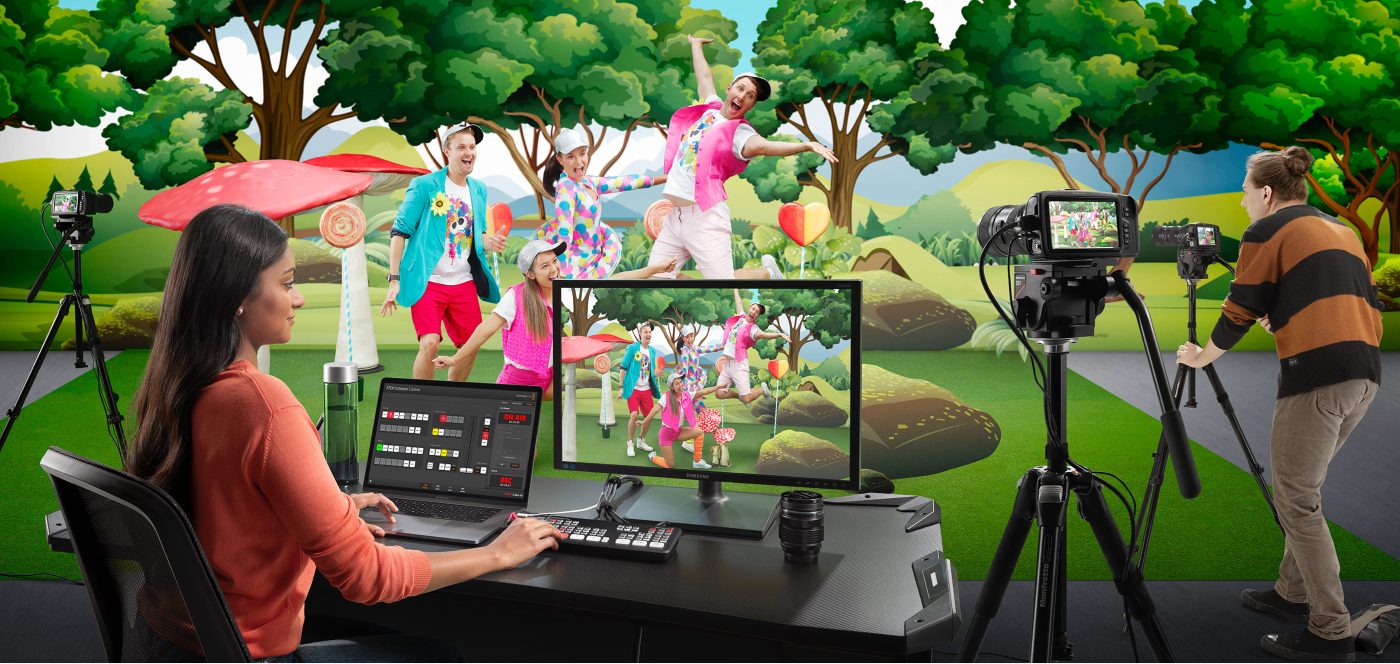
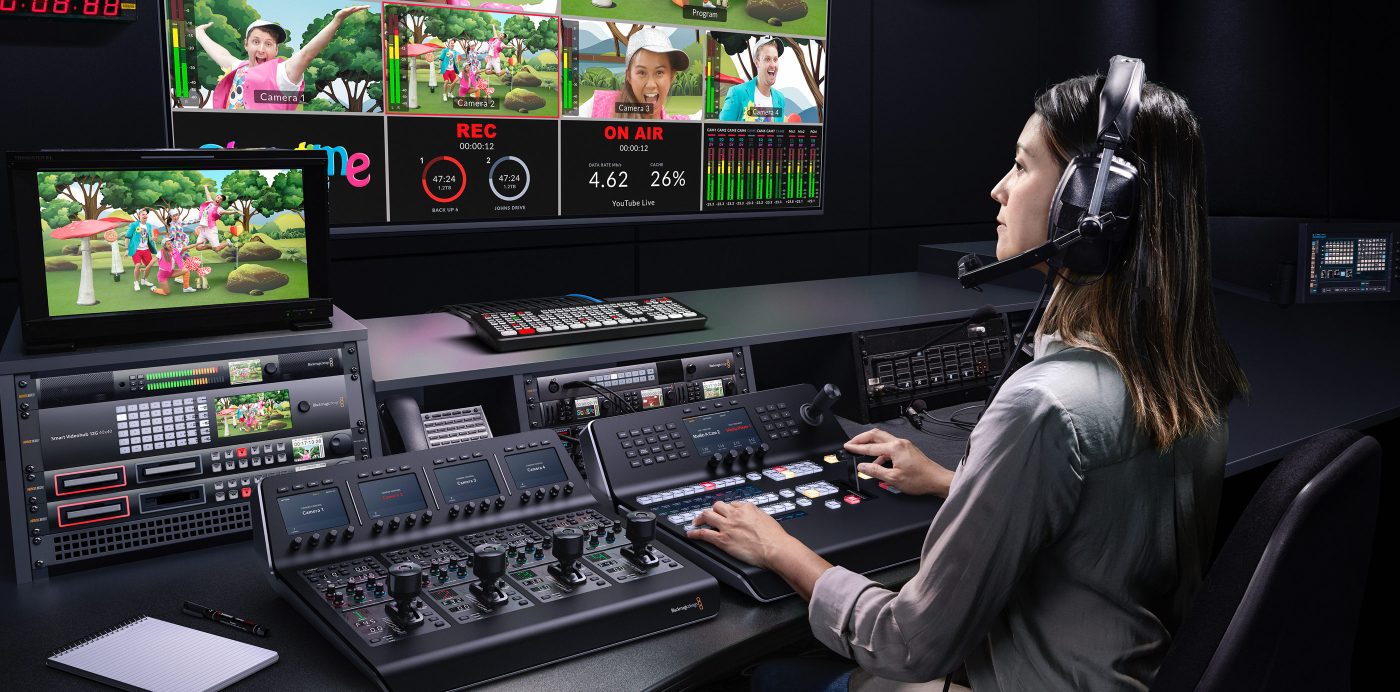
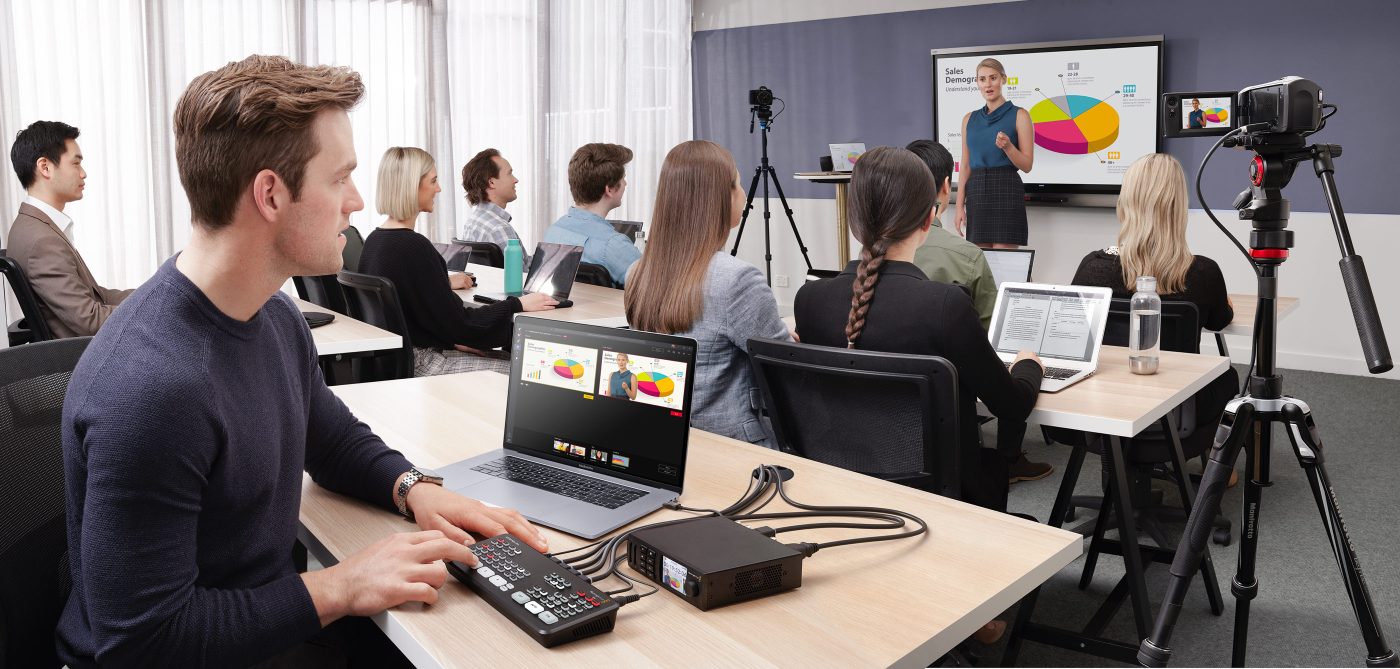
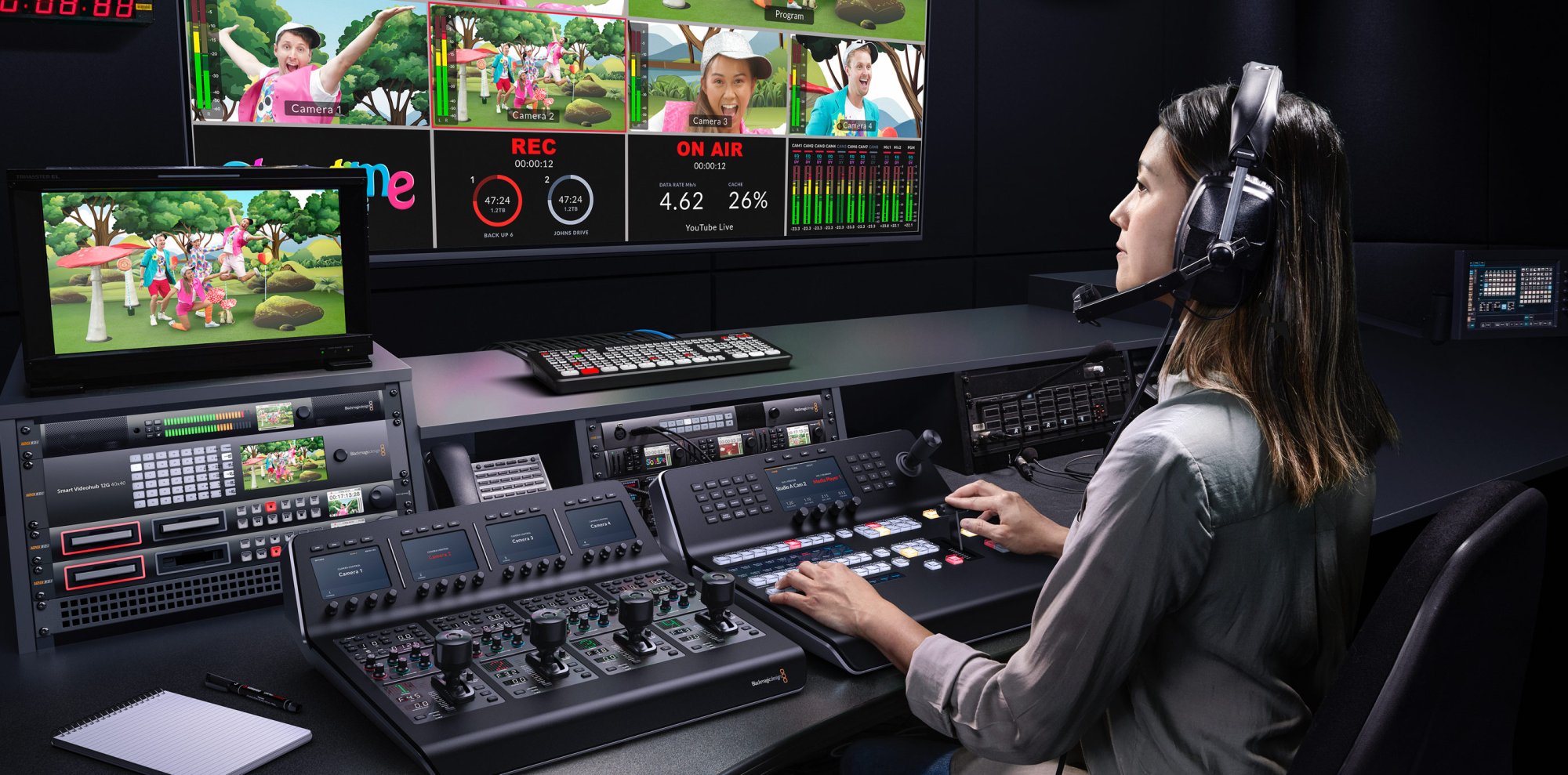
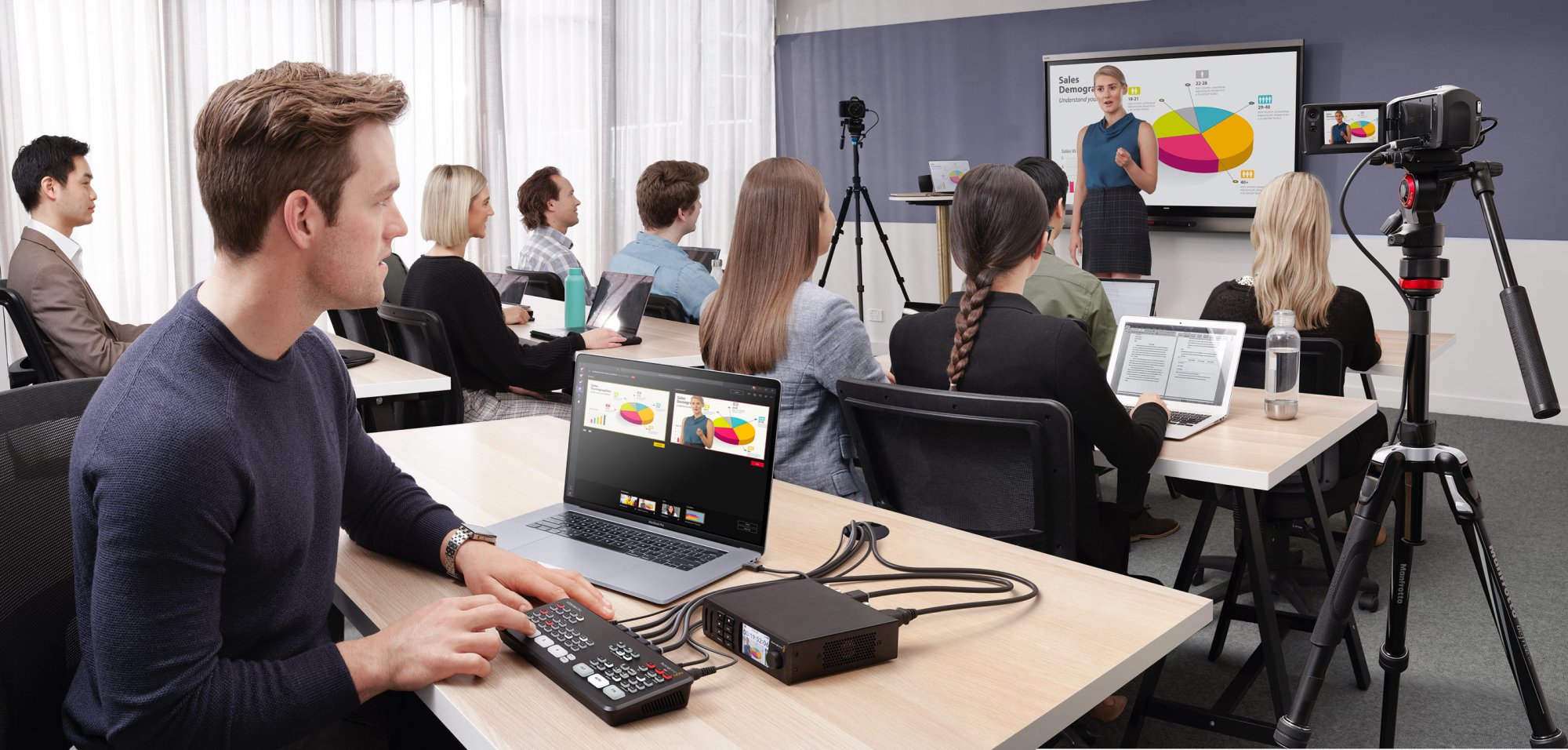
But you want to talk about clean. Just look at this immaculate broadcast desk. Look how comfortable this person is, and the lighting. It’s really relatable. You can really imagine yourself using this beautiful gear. All of this photography is art directed by Patrick Bateman.
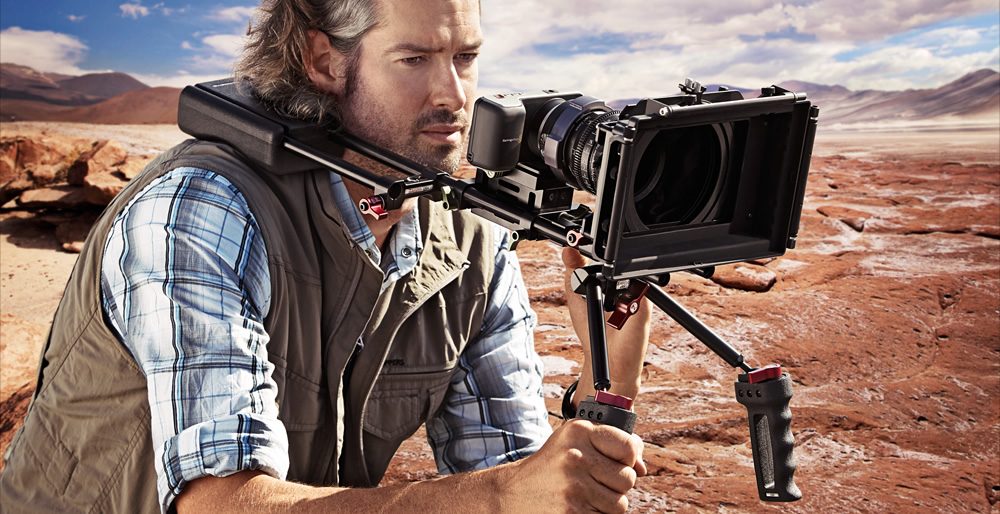
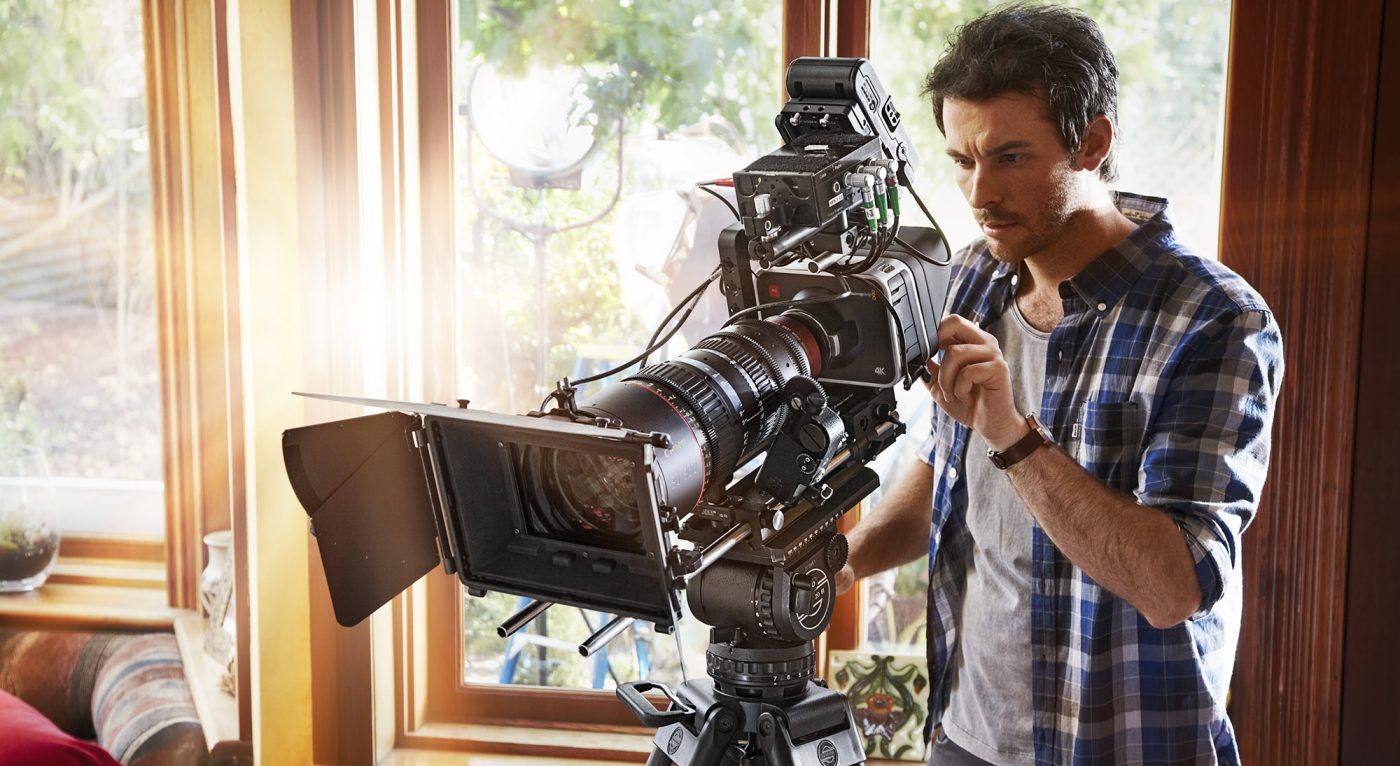
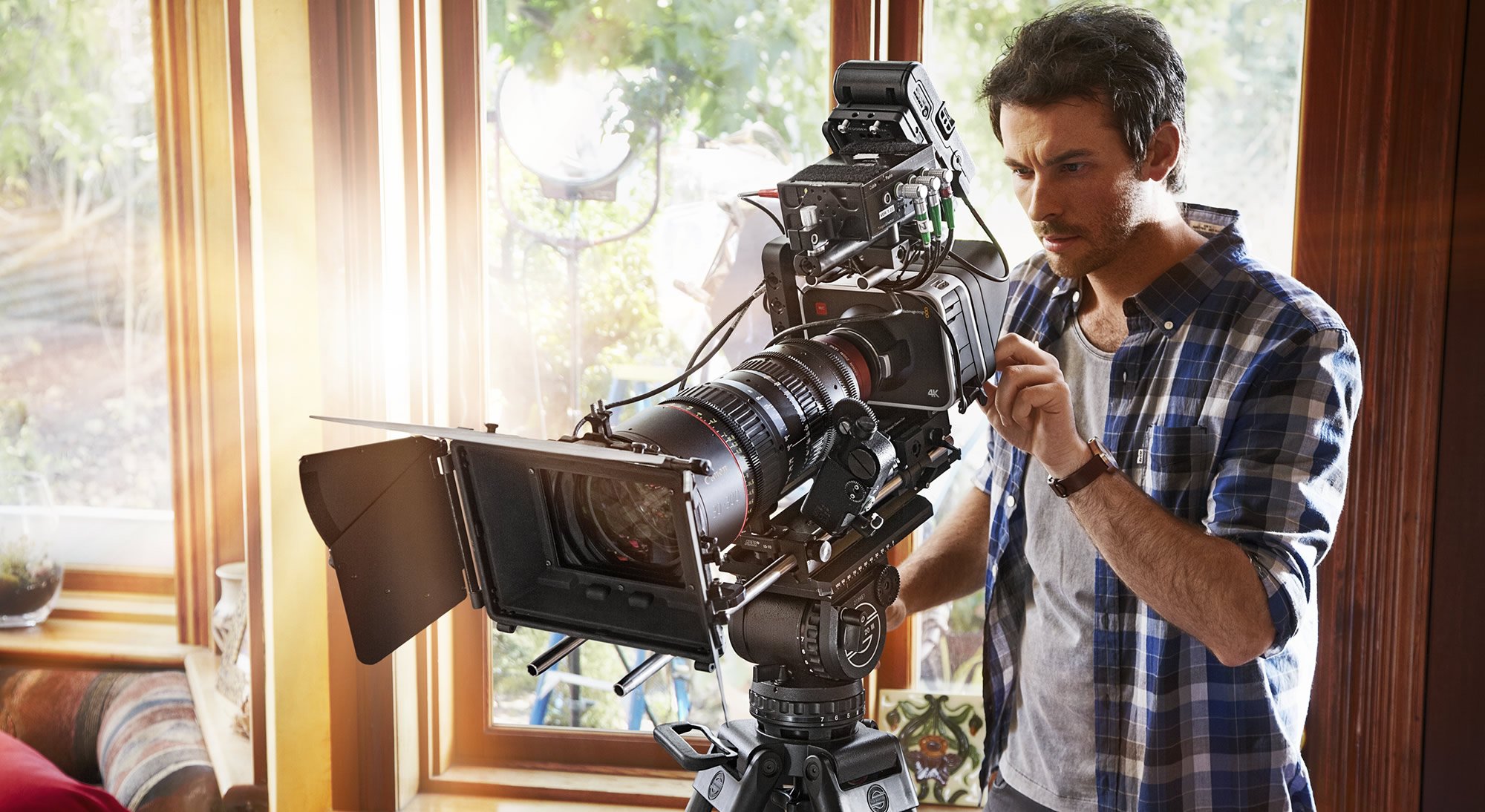
Yes this director of photography has inexplicably built out a $250,000 rig around his $4,000 prototype brick camera that uses bare SSDs that you can’t format. But just look how handsome.
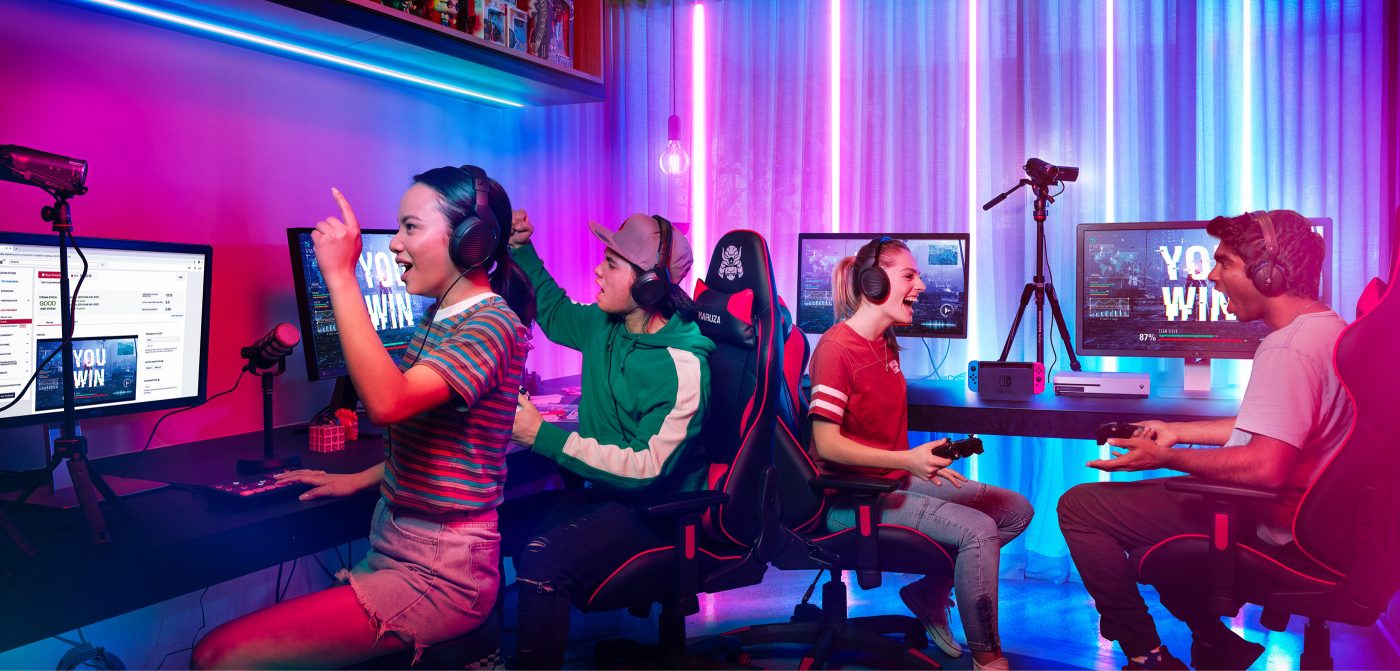
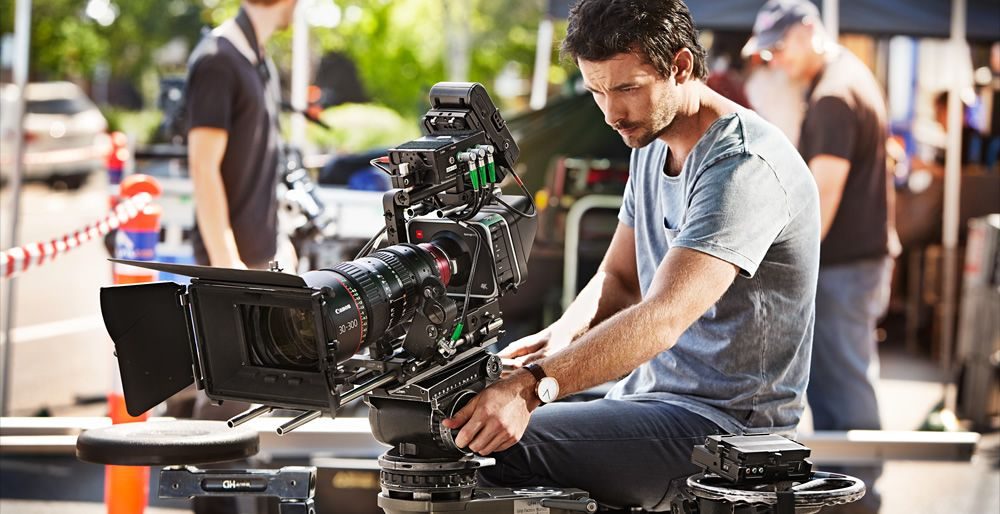
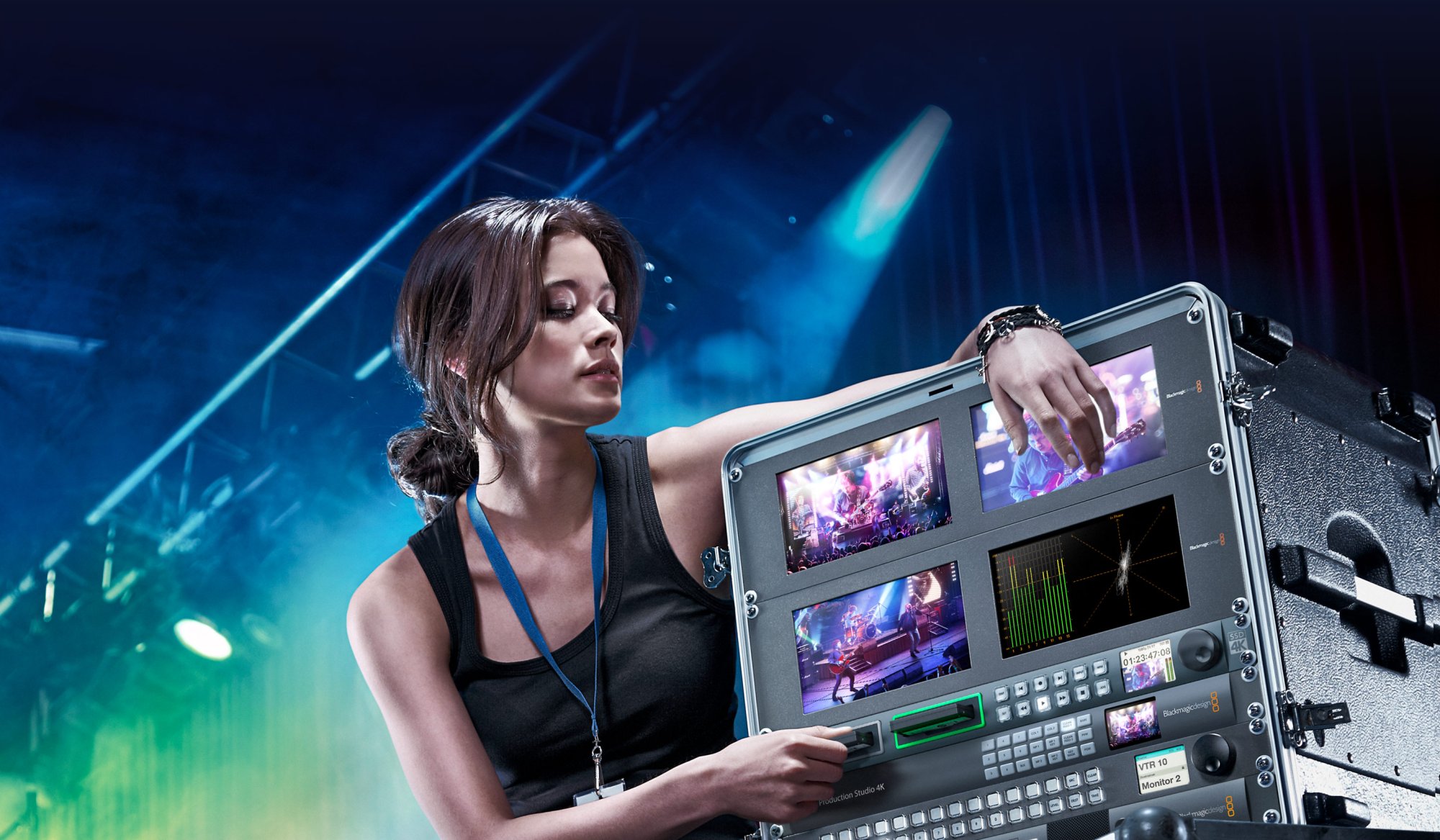
There has never been a colorist who looked this good while color grading, or who was ever in a room less conducive to color grading.
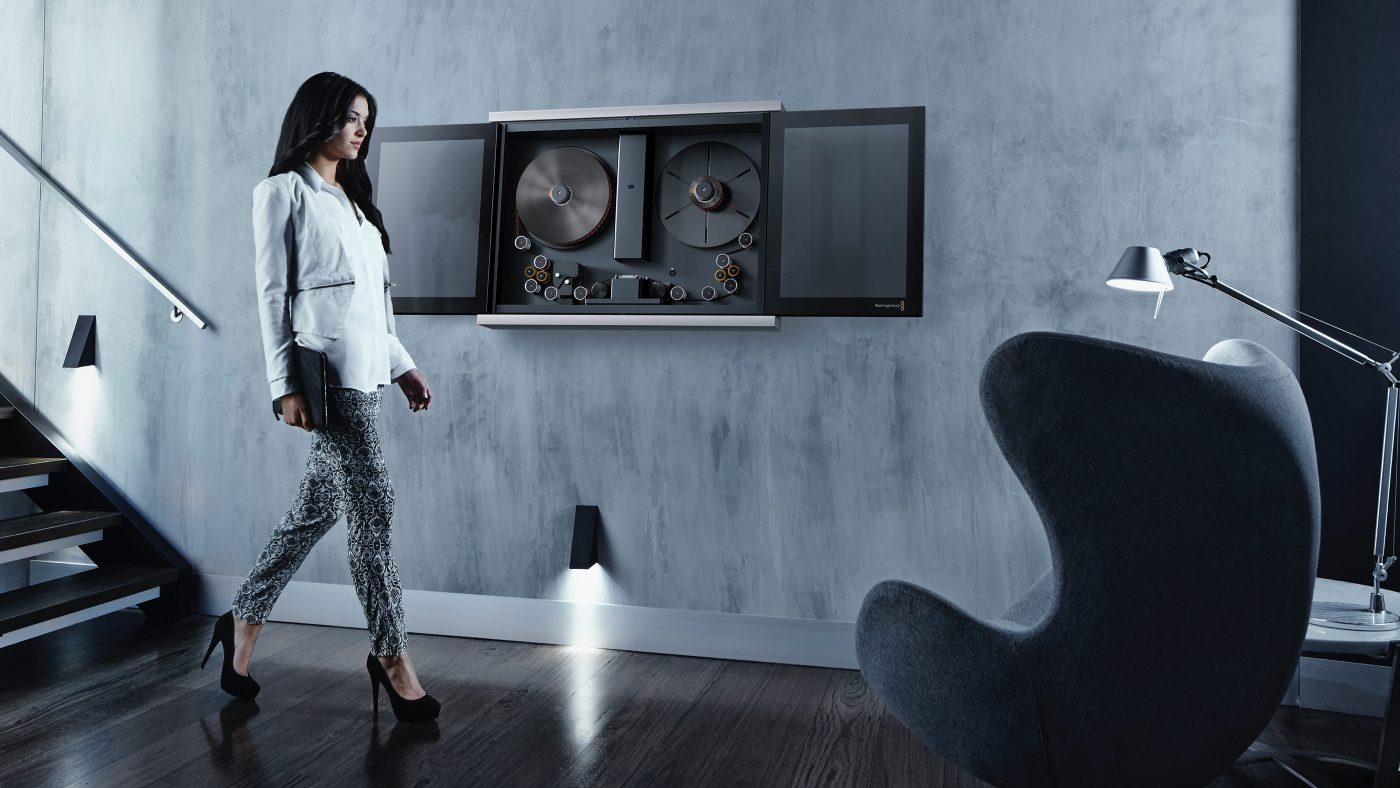
Lastly, my personal favorite: The Cintel motion picture film scanner. This is one of the most niche devices on earth. I’m one of eleven people in the world who wants one. It’s for SCANNING MOVIE FILM. It costs $30,000. Look at this Bond villain who has it mounted in her foyer.
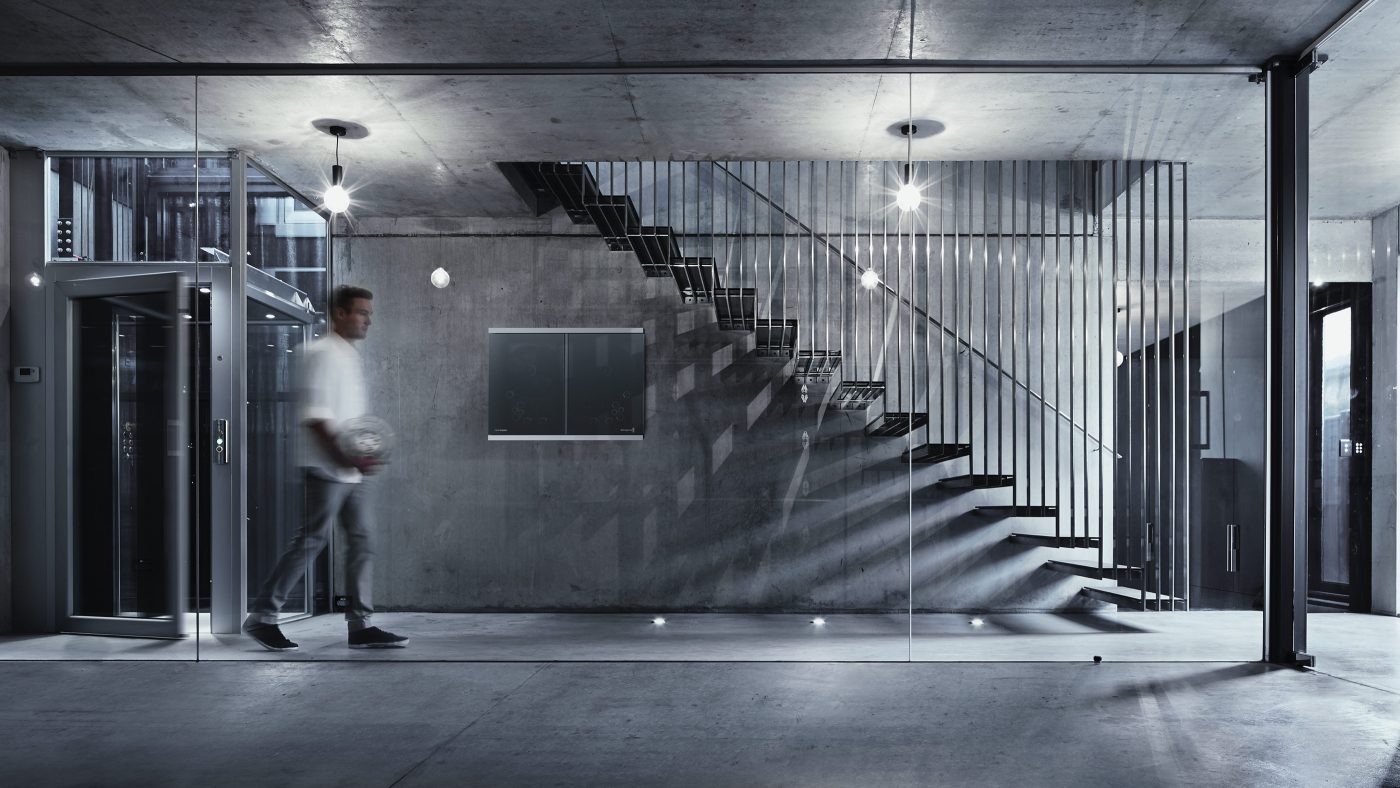
Apparently the Cintel motion picture film scanner is very popular with Bond villains. This one keeps his under the stairs in his billion dollar torture bunker.
Look, someone made these images, and the truth is they are beautiful, and we all keep clicking the Buy Button, so they’re doing their jobs perfectly. Beautiful renderings of great products composited on gorgeous 3D sets.
And the hair. ALL of the hair. It’s perfect.


-
Blackmagic Design Brand Photography
I made fun of a company that I've never been fair to, is actually an amazing company, and I really have no right no make fun of them, but I did.
Blackmagic Design is a company that I've always made fun of, usually unfairly. They're, frankly, amazing, and they've made incredible cameras and color science and color grading tools available at price points that are insane.
But their brand photography though… 👇

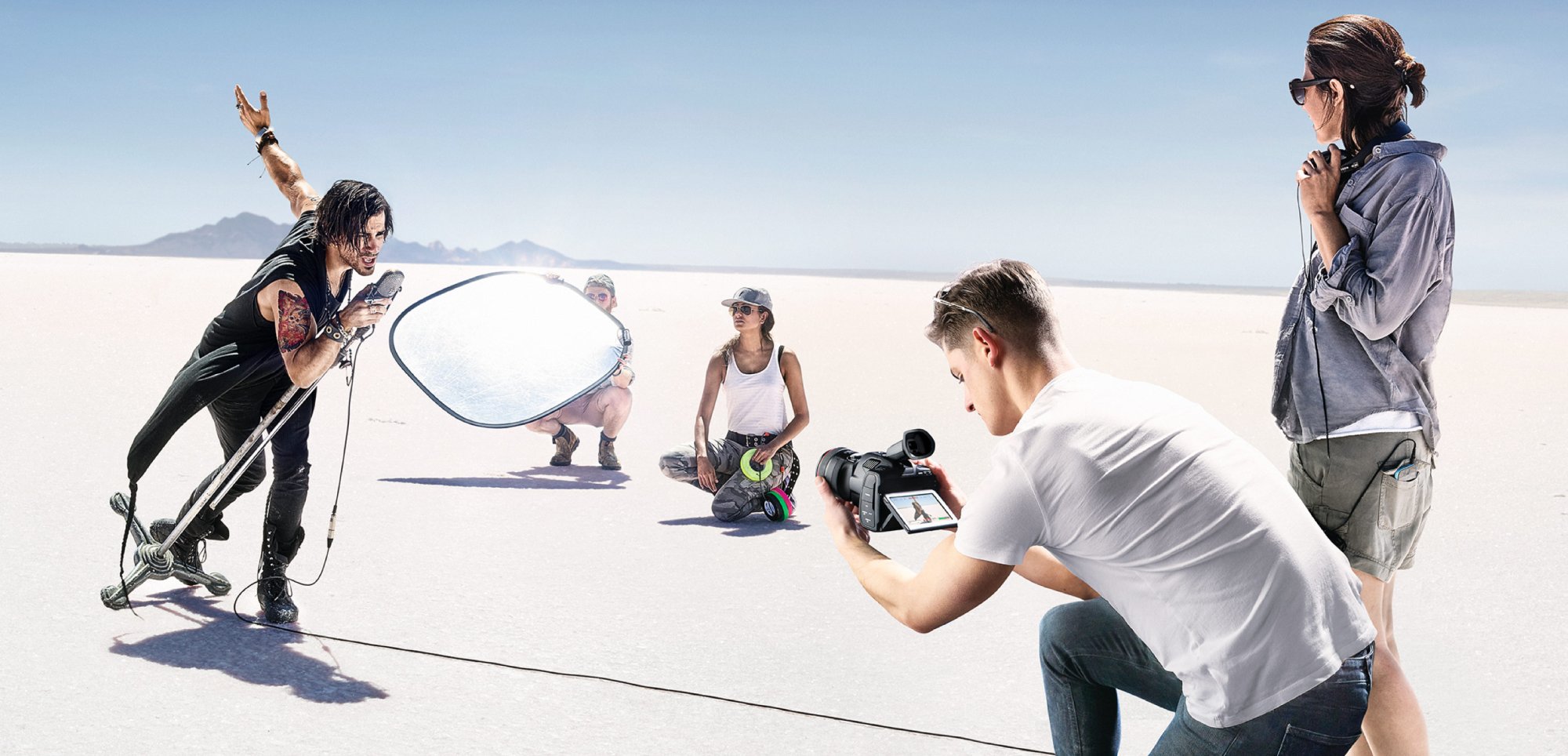
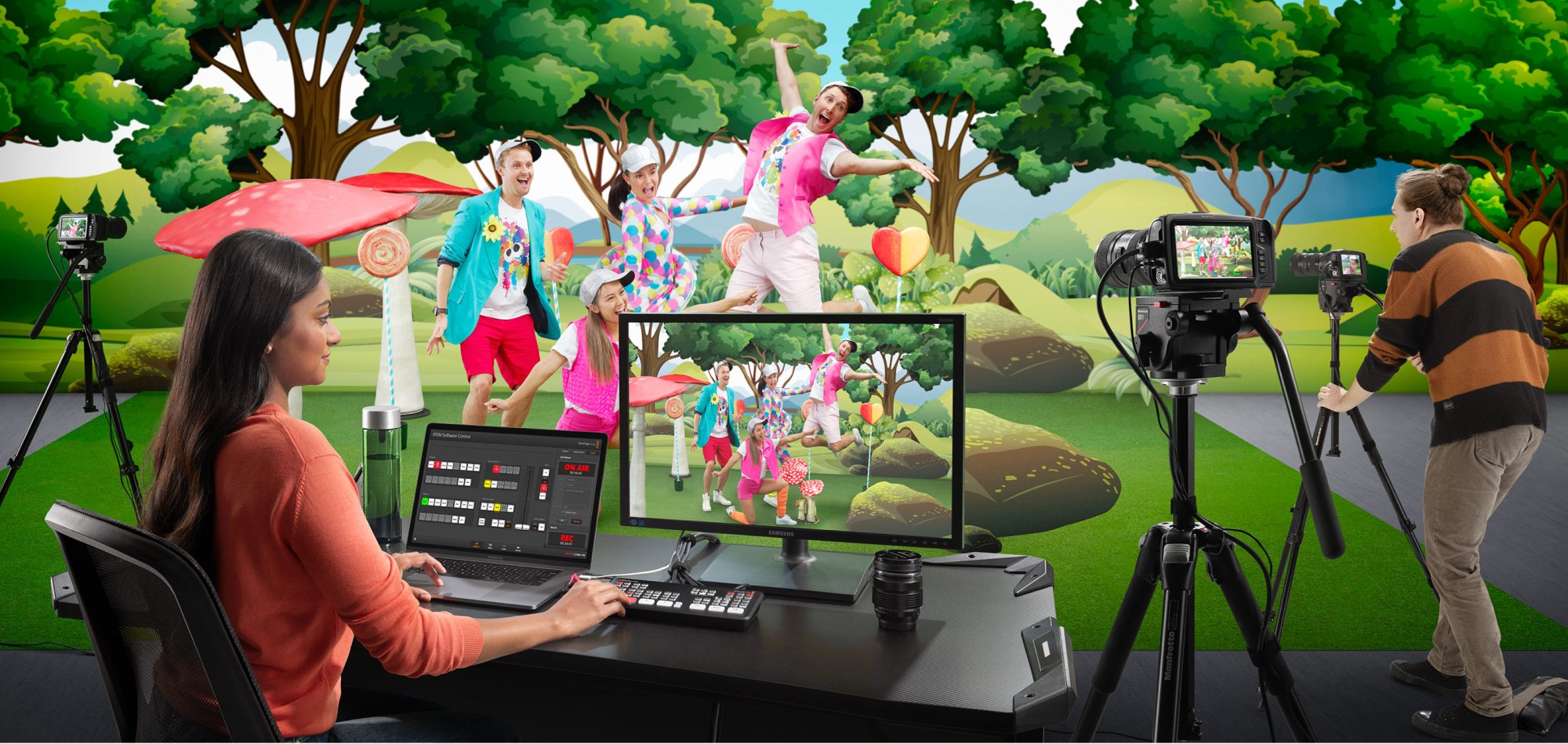
Blackmagic has done more to democratize filmmaking than maybe any other company ever. I love them. The OG Pocket Cinema Camera (the only one that should ever have been called "pocket") will always be one of my favorite cameras ever.
But their brand photography is hilarious.
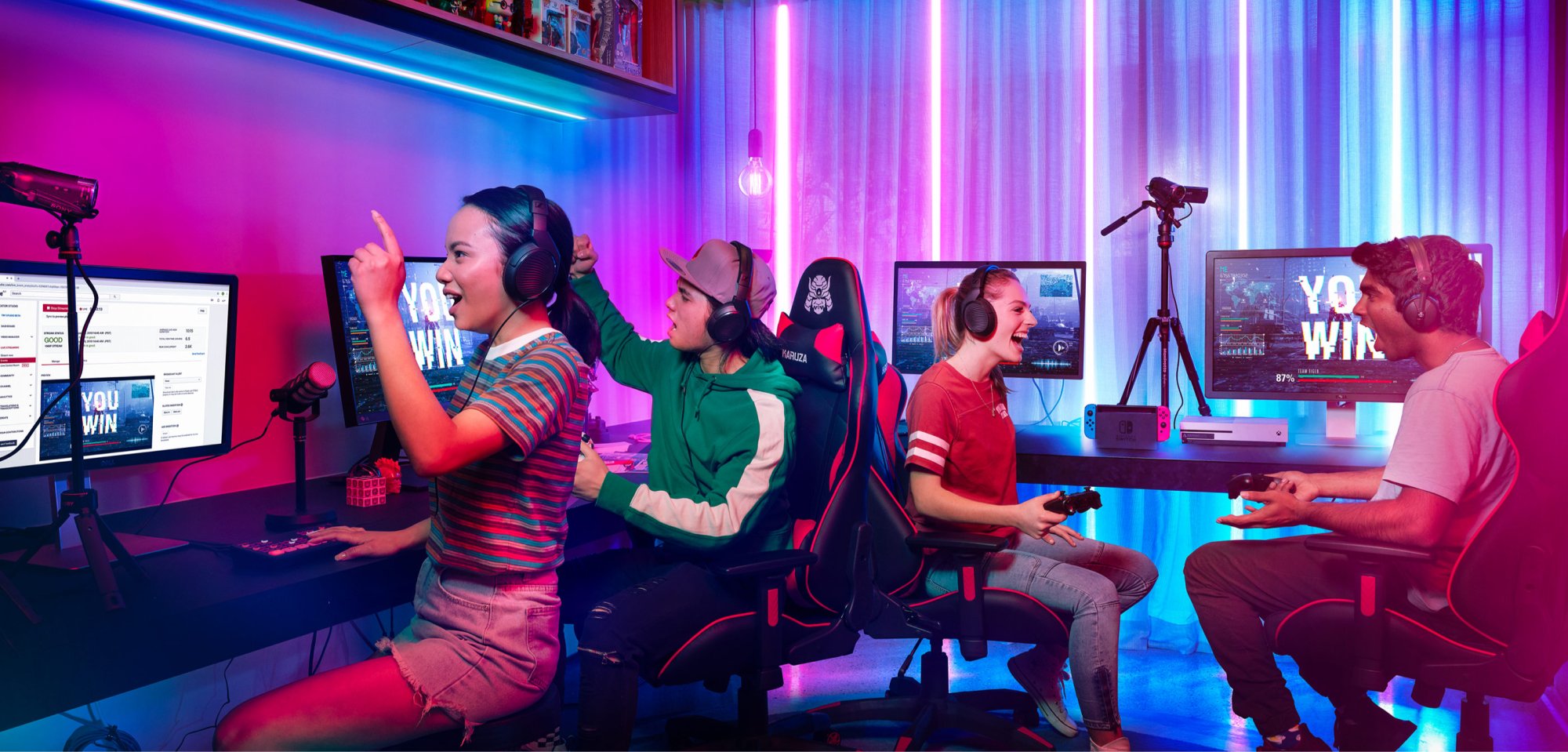
Everything that Blackmagic makes is decidedly good and the prices are great.
But the brand photography is usually beautiful people using Blackmagic products in ways that no one would ever use them, and these beautiful people are SO COMFORTABLE.
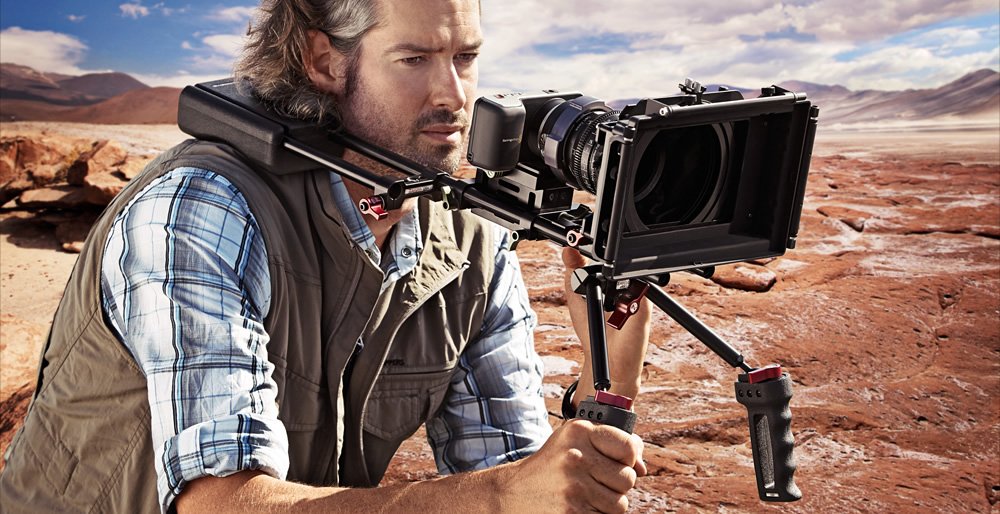
Look how comfy this camera op is. He's apparently on a volcanic island surrounded by komodo dragons and his flannel shirt is Downie fresh. This man is so clean.
But you want to talk about clean. Just look at this immaculate broadcast desk. Look how comfortable this person is, and the lighting. It's really relatable. You can really imagine yourself using this beautiful gear. All of this photography is art directed by Patrick Bateman.
Yes this director of photography has inexplicably built out a $250,000 rig around his $4,000 prototype brick camera that uses bare SSDs that you can't format. But just look how handsome.
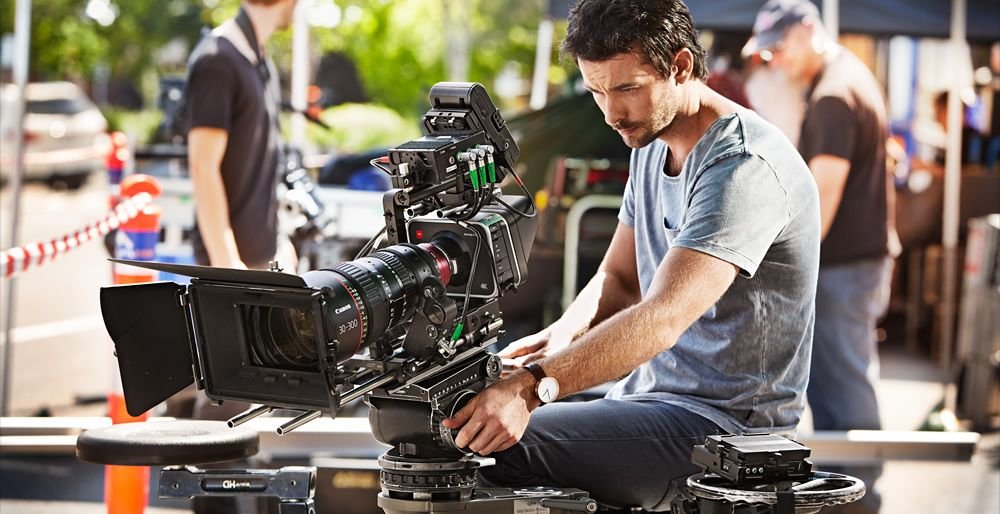
There has never been a colorist who looked this good while color grading, or who was ever in a room less conducive to color grading.

Lastly, my personal favorite: The Cintel motion picture film scanner. This is one of the most niche devices on earth. I'm one of eleven people in the world who wants one. It's for SCANNING MOVIE FILM. It costs $30,000. Look at this Bond villain who has it mounted in her foyer.
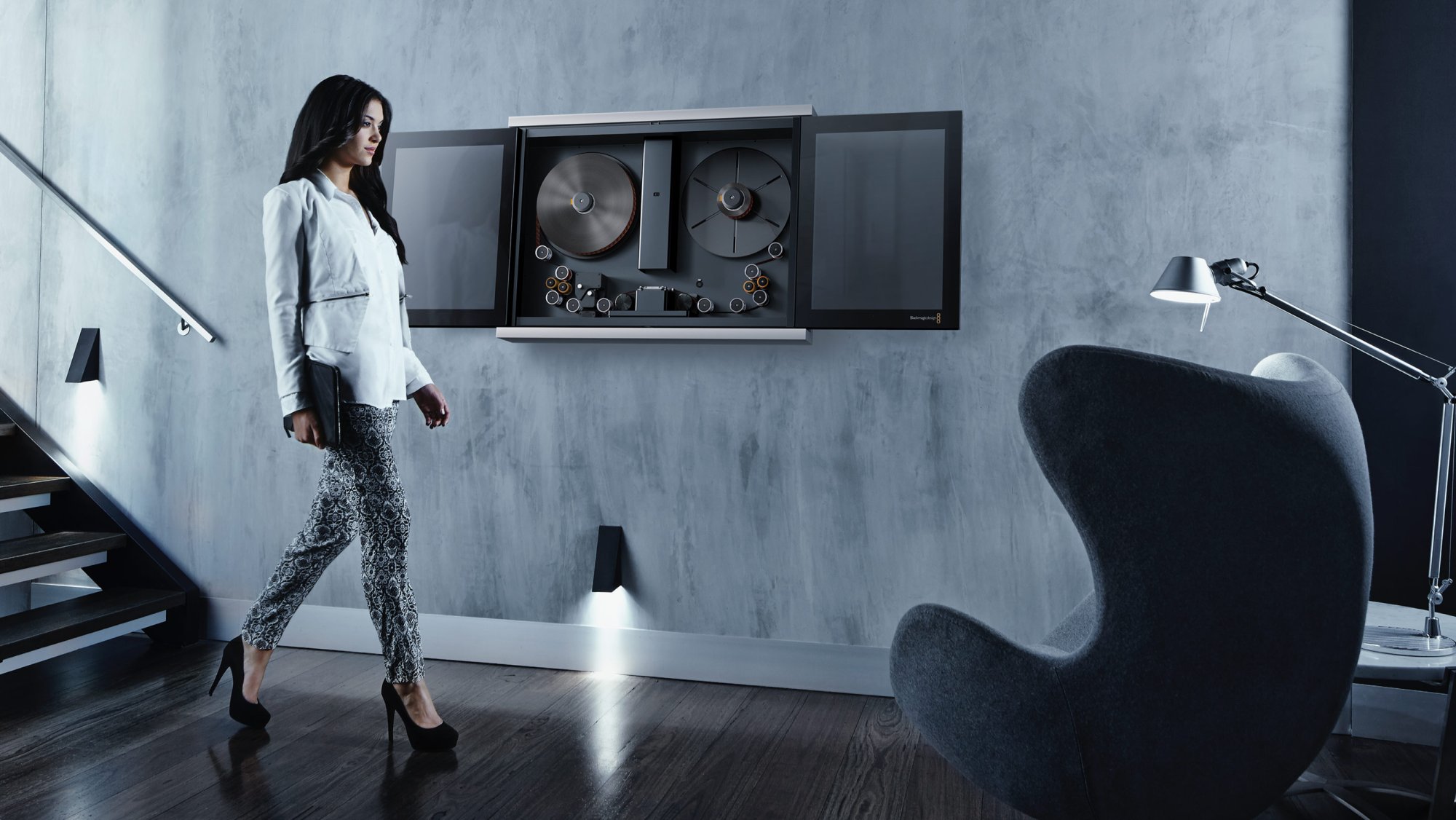
Apparently the Cintel motion picture film scanner is very popular with Bond villains. This one keeps his under the stairs in his billion dollar torture bunker.

Look, someone made these images, and the truth is they are beautiful_, and we all keep clicking the Buy Button, so they're doing their jobs perfectly. Beautiful renderings of great products composited on gorgeous 3D sets.
And the hair. ALL of the hair. It's perfect.
-
Over and Over and Over
Watching Raya and the Last Dragon for the 146th time since it came out a month ago. This is how my 3-year-old watches movies. Over and over again, until she’s memorized every line, crying/cheering/asking the same questions at the same parts.
She’s play-rehearsing the story. 👇
Mirroring, copying, acting out, practicing, this is what we naturally do. As far as I can tell, it’s what all animals do. It’s even what cells and genes do. They just copy each other, over and over again, and through that copying and combining, little bits of new things emerge.
ME Let’s read a new book.
LOUISA Nooo, I want to read this book again.
ME But we’ve read that book so many times, you should—
LOUISA Daddy, I don’t want a new book. THIS book.
Confession: When I’m winding down at the end of the day, avoiding going to sleep even though I should (getting some me time), I often find myself watching a YouTube video for not the first time. I convinced myself at some point this YouTube video was productive, but… again?
I love how little I drive now, but when I used to drive places, I would play the same song over and over, loudly, and sing along, squeezing every nuance out of every part of the mix. I felt shame about this. I even brought it up in therapy.
“Am I foolishly acting out fantasies?”
Is Louisa foolishly dancing to the end credits of her favorite movie of the moment? No way. She’s playing. And we could all stand to play more.
A lot more.
This is how the human being do.
By the way, Raya’s a pretty good movie, but the baby’s voice bothers me. That baby’s voice was a mistake.
The baby character is fine. I don’t like her voice. The voice is no good.
-
Over and Over and Over
I wrote about my daughter’s voracious appetite for the same stories over and over and what I’m learning from it.
Watching Raya and the Last Dragon for the 146th time since it came out a month ago. This is how my 3-year-old watches movies. Over and over again, until she’s memorized every line, crying/cheering/asking the same questions at the same parts.
She’s play-rehearsing the story. 👇
Mirroring, copying, acting out, practicing, this is what we naturally do. As far as I can tell, it’s what all animals do. It’s even what cells and genes do. They just copy each other, over and over again, and through that copying and combining, little bits of new things emerge.
ME Let’s read a new book.
LOUISA Nooo, I want to read this book again.
ME But we’ve read that book so many times, you should—
LOUISA Daddy, I don’t want a new book. THIS book.
Confession: When I’m winding down at the end of the day, avoiding going to sleep even though I should (getting some me time), I often find myself watching a YouTube video for not the first time. I convinced myself at some point this YouTube video was productive, but... again?
I love how little I drive now, but when I used to drive places, I would play the same song over and over, loudly, and sing along, squeezing every nuance out of every part of the mix. I felt shame about this. I even brought it up in therapy.
“Am I foolishly acting out fantasies?”
Is Louisa foolishly dancing to the end credits of her favorite movie of the moment? No way. She’s playing. And we could all stand to play more.
A lot more.
This is how the human being do.
By the way, Raya’s a pretty good movie, but the baby’s voice bothers me. That baby’s voice was a mistake.
The baby character is fine. I don’t like her voice. The voice is no good.