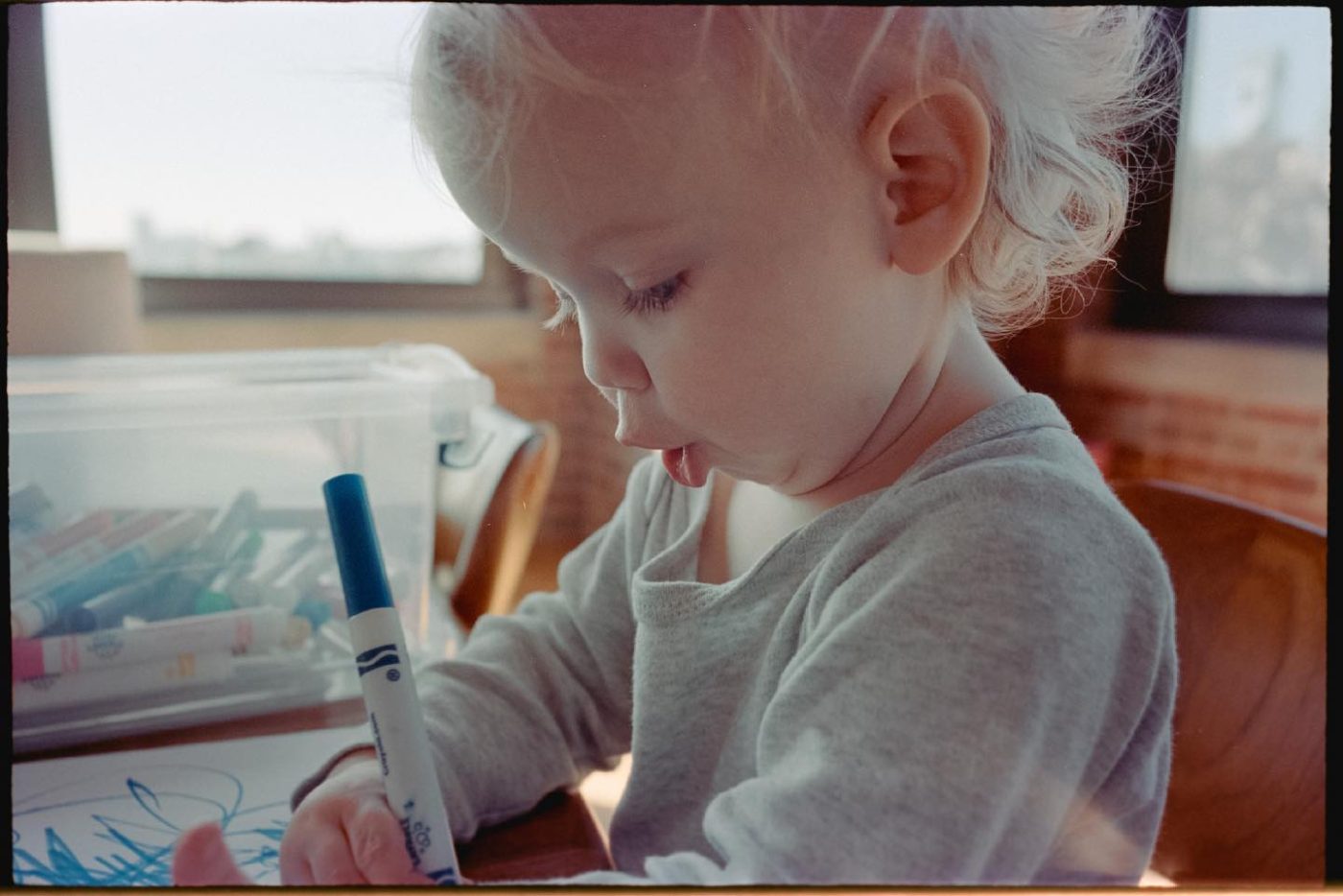
The Little Rebellion
The social feed — little posts written here and everything syndicated elsewhere, in one stream.
-
This woman I shot some slow motion iPhone video of a few years ago didn’t know she was about to become the sweetest mommy of all time. We love you @alymakintosh!
-
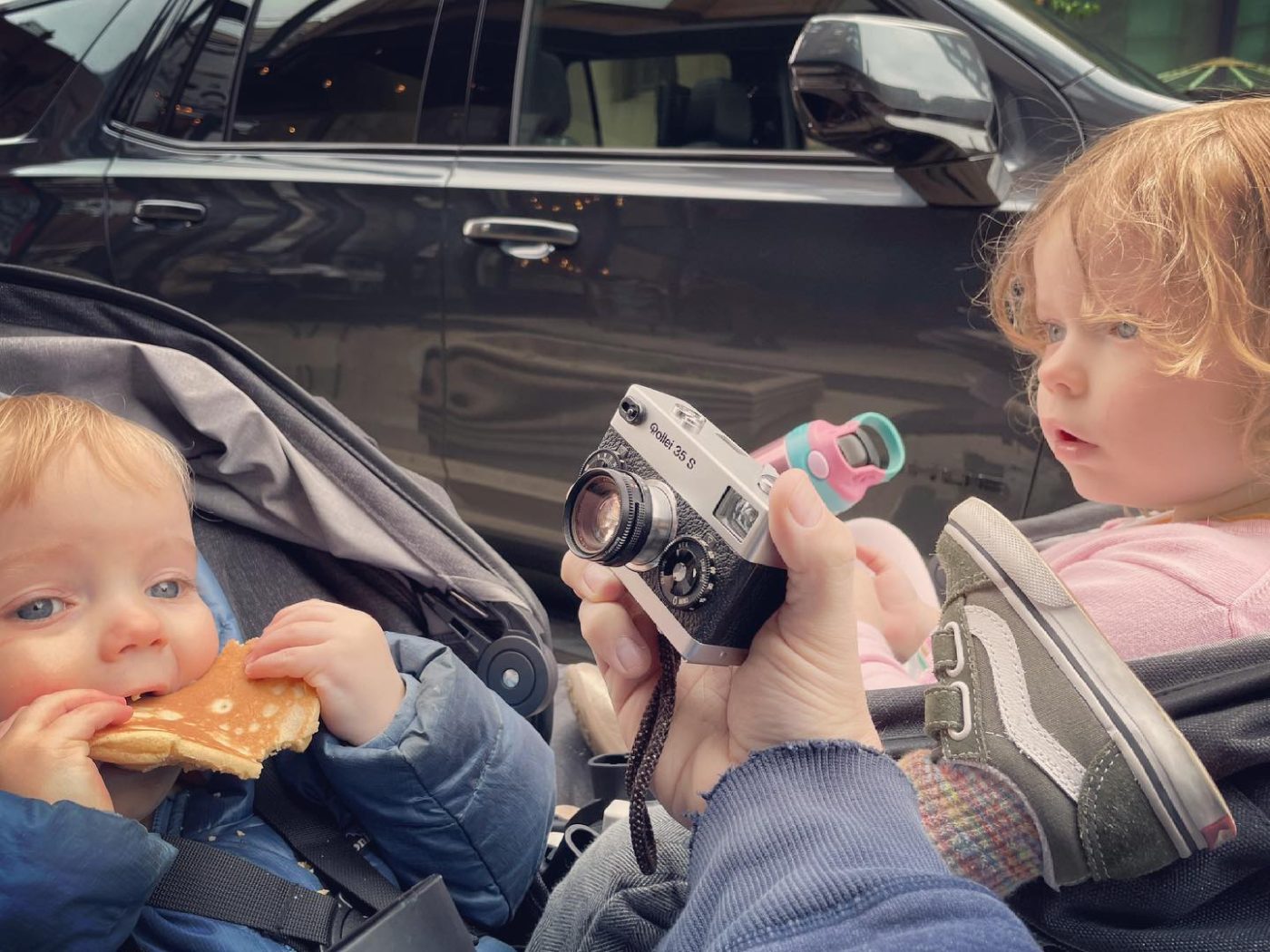
The Rollei 35 is without a doubt the cutest camera in history. It’s Johnny 5/WALL-E.
#rollei35
-
Processing Film At Home
I’ve fallen in love with photography again thanks to shooting film, but there are some practical things that I’ve needed to implement (still easier for me than shooting digital, by the way).
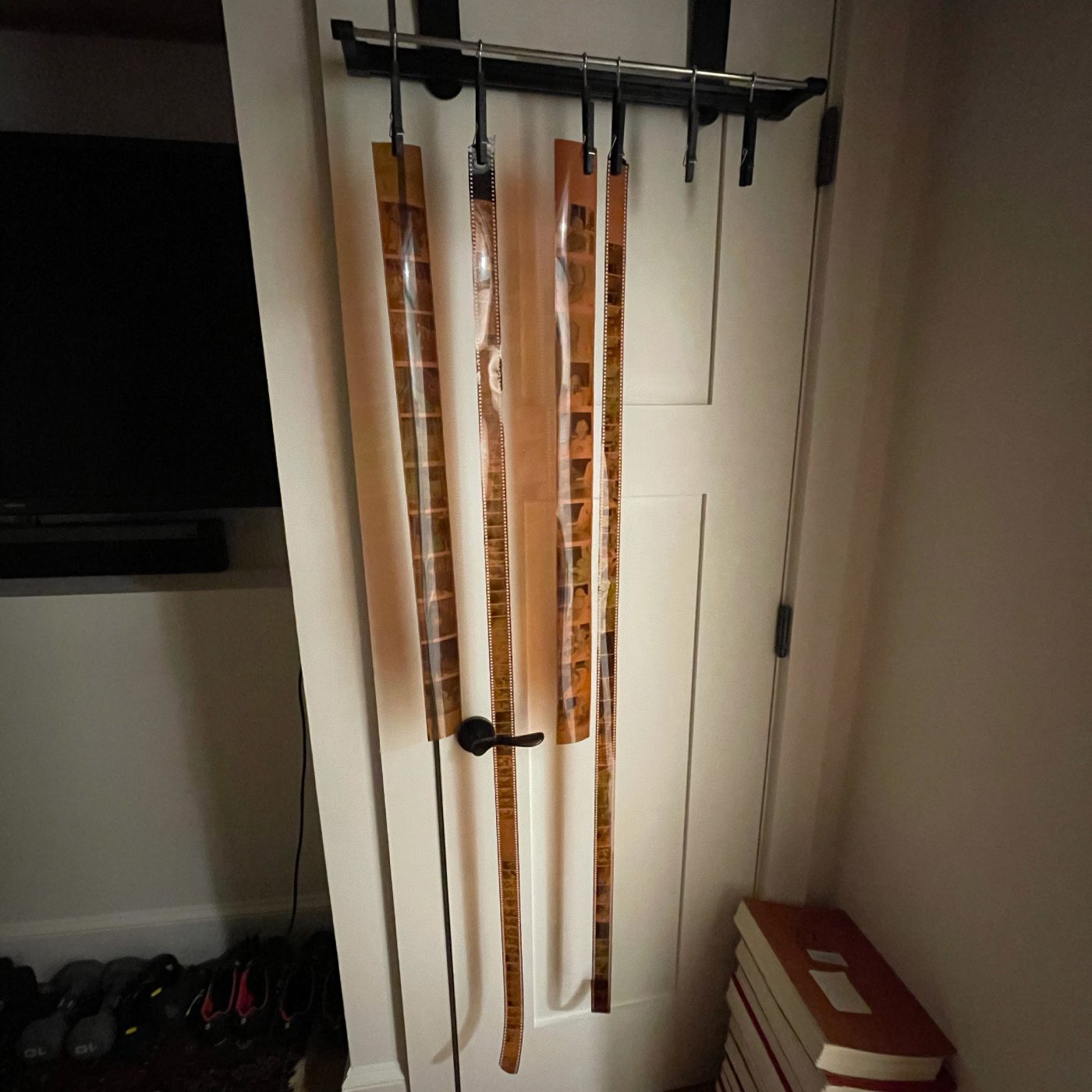
One of these practical things is that I can now develop my own film. 👇
By the way, developing black and white film at home is easy. They even have monobaths now where it only takes a few minutes and one chemical.
Color is more complicated…
What makes color complicated is that the chemicals need to be at a precise temperature. People do this with sous-vide implements and setting up a whole chemistry lab in their kitchen or bathroom…
I’m at a point in my life (and my wife’s life) where I can’t do that.
When you’re shooting as much film as I am, the cost adds up quickly. But the cost is only half of the problem.
The waiting… is the hardest part.
Too soon?
Now you say “But with film, the waiting is half the fun!”
That’s true… But I don’t want to wait on someone else’s schedule.
And the anticipation is actually so much better when you do it yourself and reveal those negatives.
So in order to do this at home without taking over our kitchen or leaving any smelly hazardous chemicals around my house, I got this amazing device called the Filmomat, which looks like a piece of hifi audio gear (but doesn’t cost quite as much).
This device was created by a German engineering student who got mad one day that a lab messed up his film so he built the best and most beautiful automatic home film processor in the world.
I love stories like that. That’s how most great things come to be.
The Filmomat cleans itself, lets me run 4 rolls at a time (or 2 35mm and 2 medium format), and I can do color, black and white, or slide film (haven’t done slide film yet).
It’s not like this takes no work. You still have to go in the dark to spool your film and get it in the tank and you need to mix up chemicals to use, but this machine makes it possible for me to do this at home.
As an added benefit, I get to offer friends and family the gift of reconnecting with photography on film as I have, and I can process and scan for them.
I know this won’t happen, but I hope that everyone who ever loved or fancied or liked photography will one day pull their grandma’s old Pentax out of the attic (it still works, guys) and shoot a roll of film and feel that magic.
At least I can help loved ones who will.
-
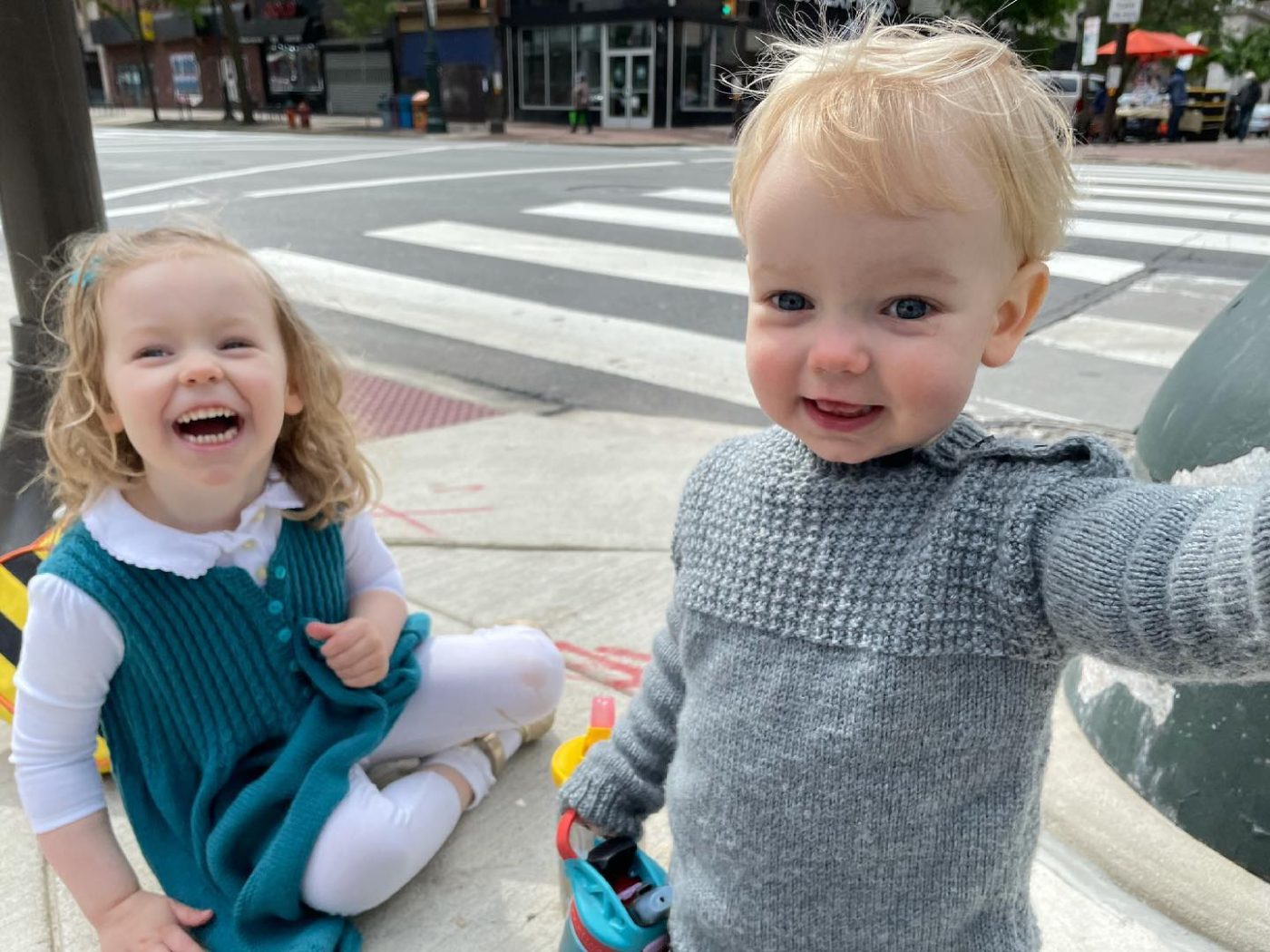
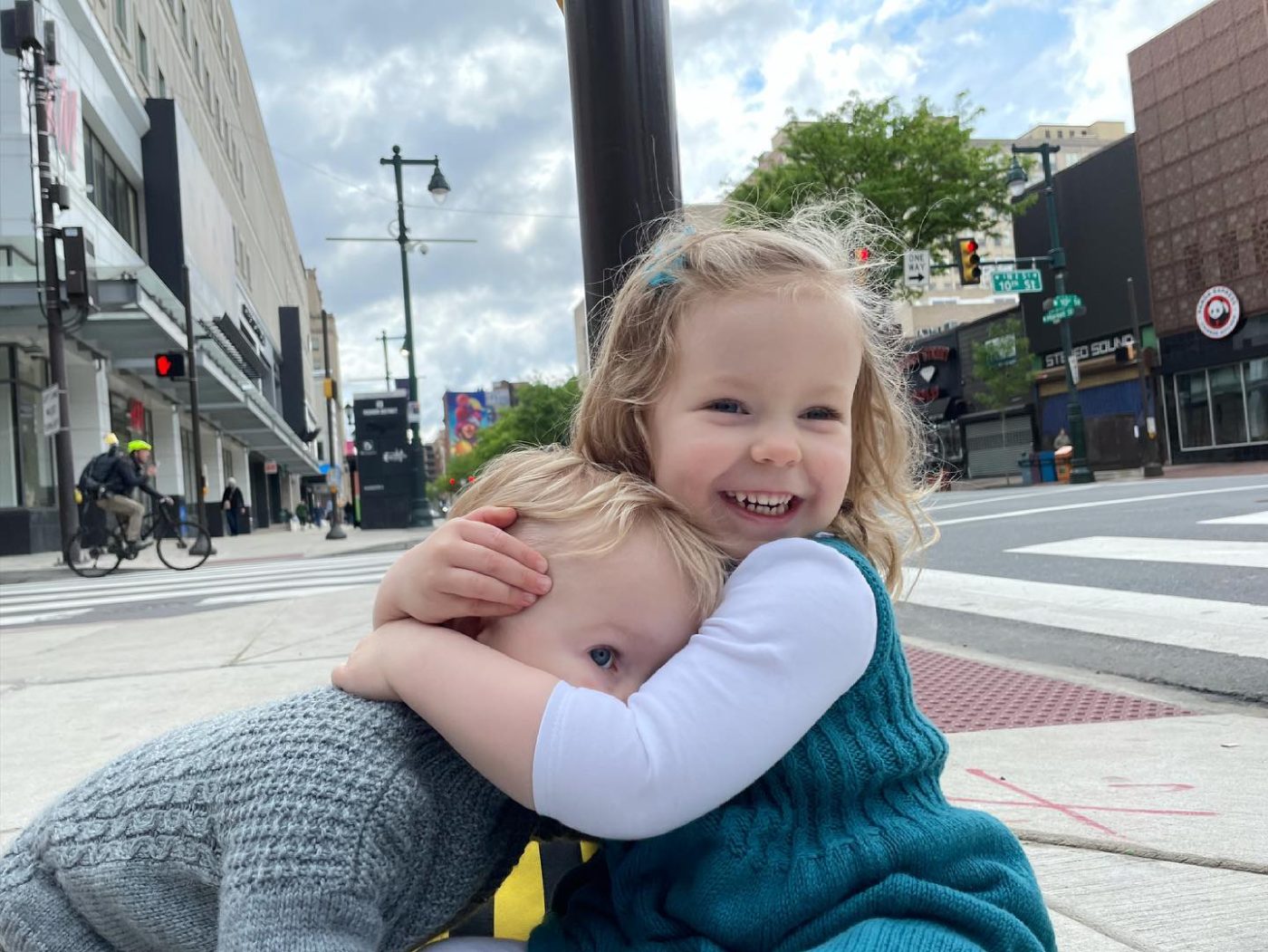
Wendell street corner selfie. Sweater and dress knit by @tatoland, my mom. I put Wendell’s sweater on backwards though, didn’t know it.
-
Profile Photos
I’m generally not proud of my work (not being melancholy, I think it’s fine, some of it may even be okay-bordering-on-good, it’s just my standards are high), but there is one thing that makes me proud: 50+ people have used a photo I took as their profile picture on Facebook. 👇
I HATE having my picture taken, and most people do. To be able to give a person a picture of them that they’re even mildly happy with, let alone happy enough to put as the avatar that represents them online, that feels like I’ve done a real service.
About half are people I know, half are people I don’t. I used to shoot professionally and I shot a lot of weddings, and photos I took there would pop up as a random guest’s profile photo.
Those are some of the only moments where I could unequivocally say “I did a good job!”
Much of my psyche is characterized by a sense that I’m not doing enough, contributing enough… but every time I’d get that notification (thanks, whatever nerd was working in the belly of the beast at Facebook) I’d be like:
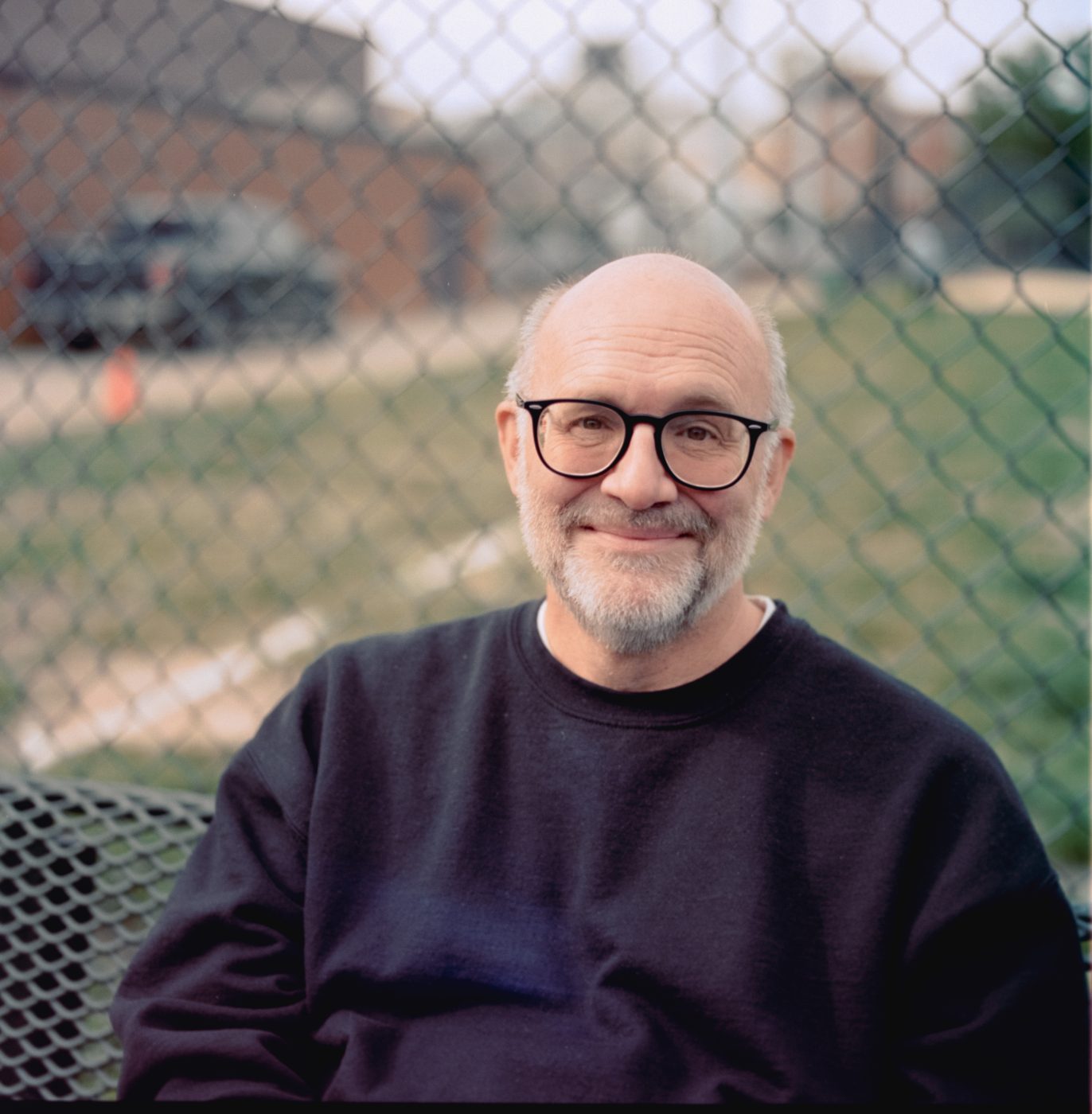
I was reminded of this by a friend who let me take his picture when we met at the playground while my kids were running around. He said the obligatory “I hate pictures of me” but when he saw the result, he liked it.
He may not make it his profile photo, but that’s enough.

-
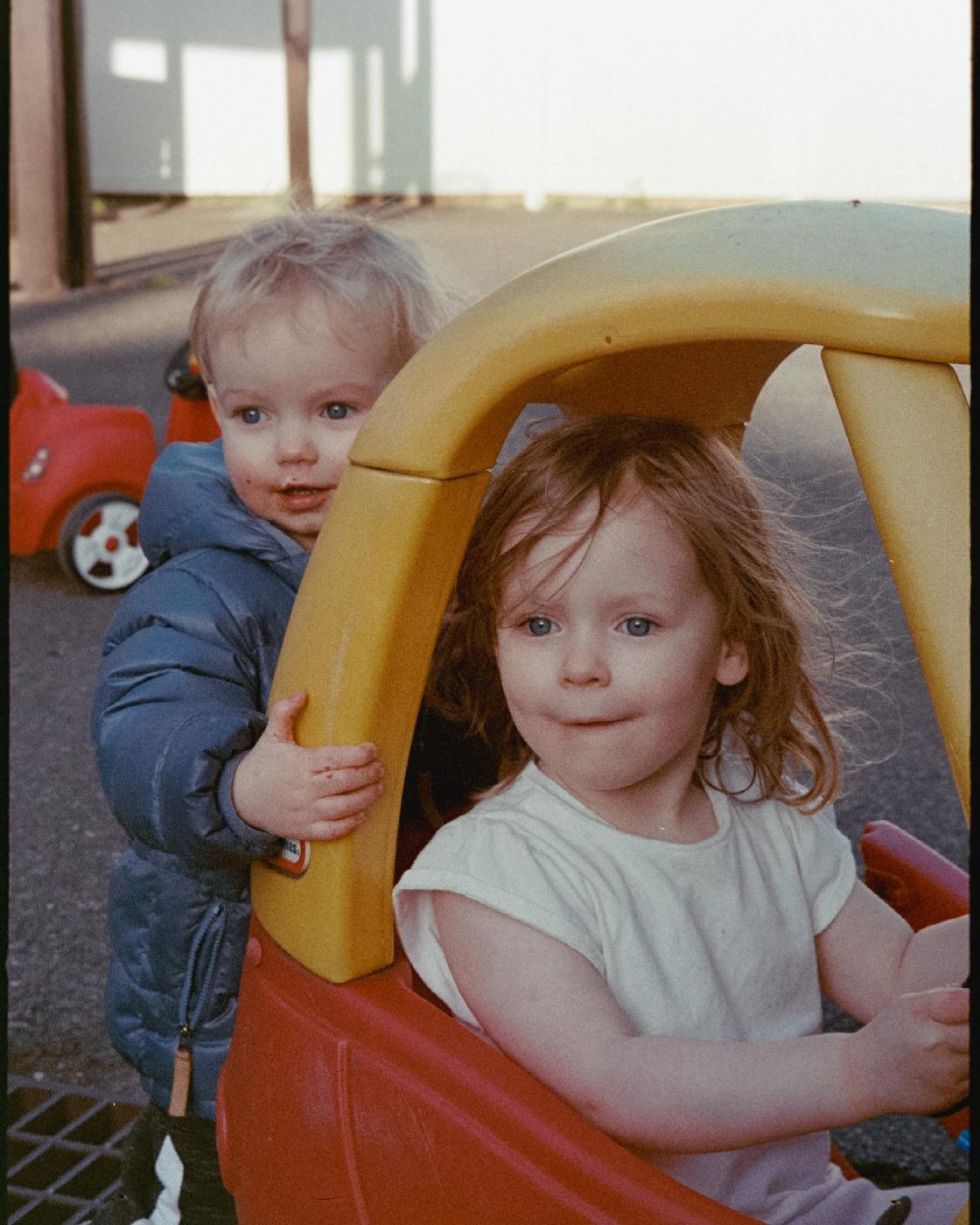
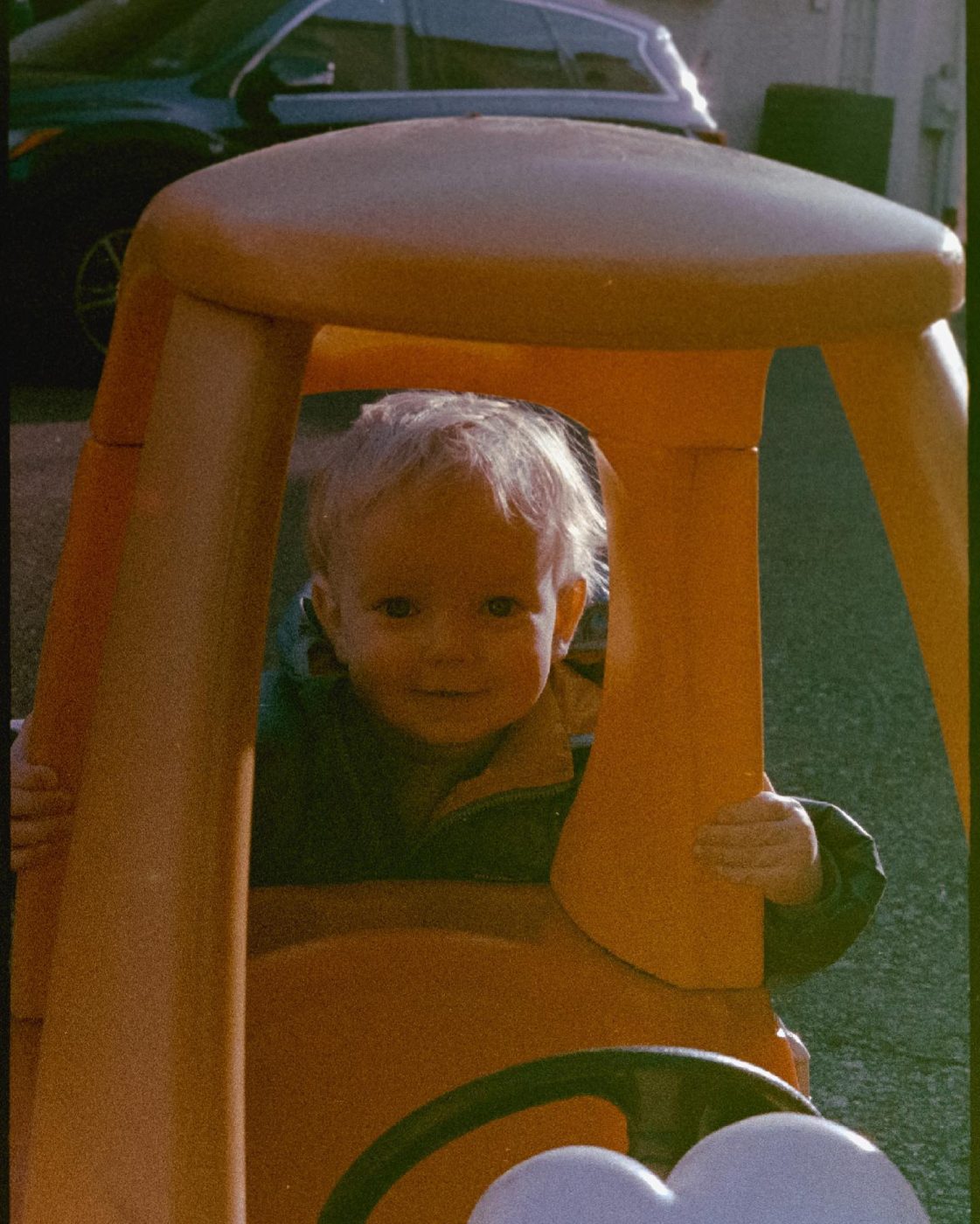
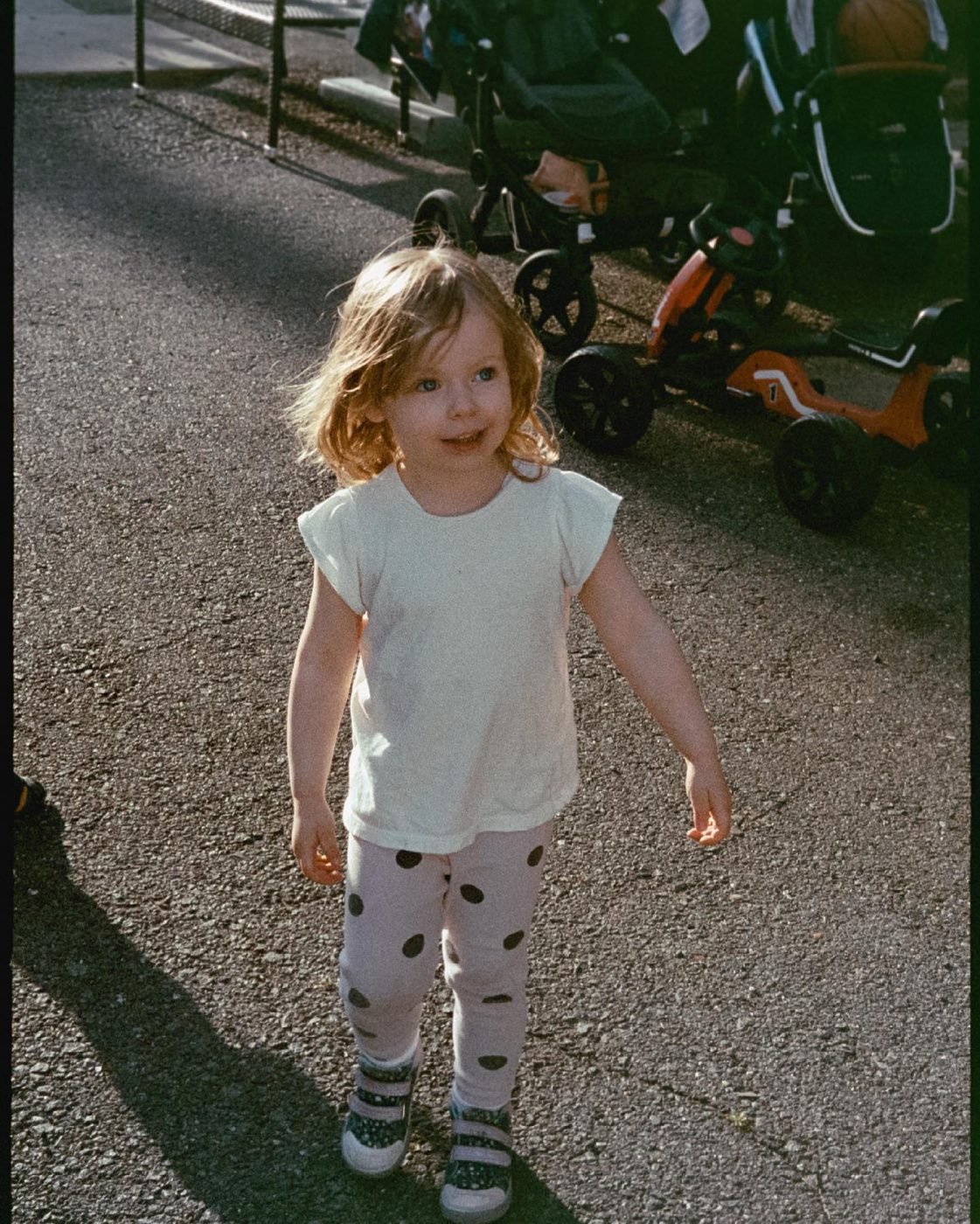
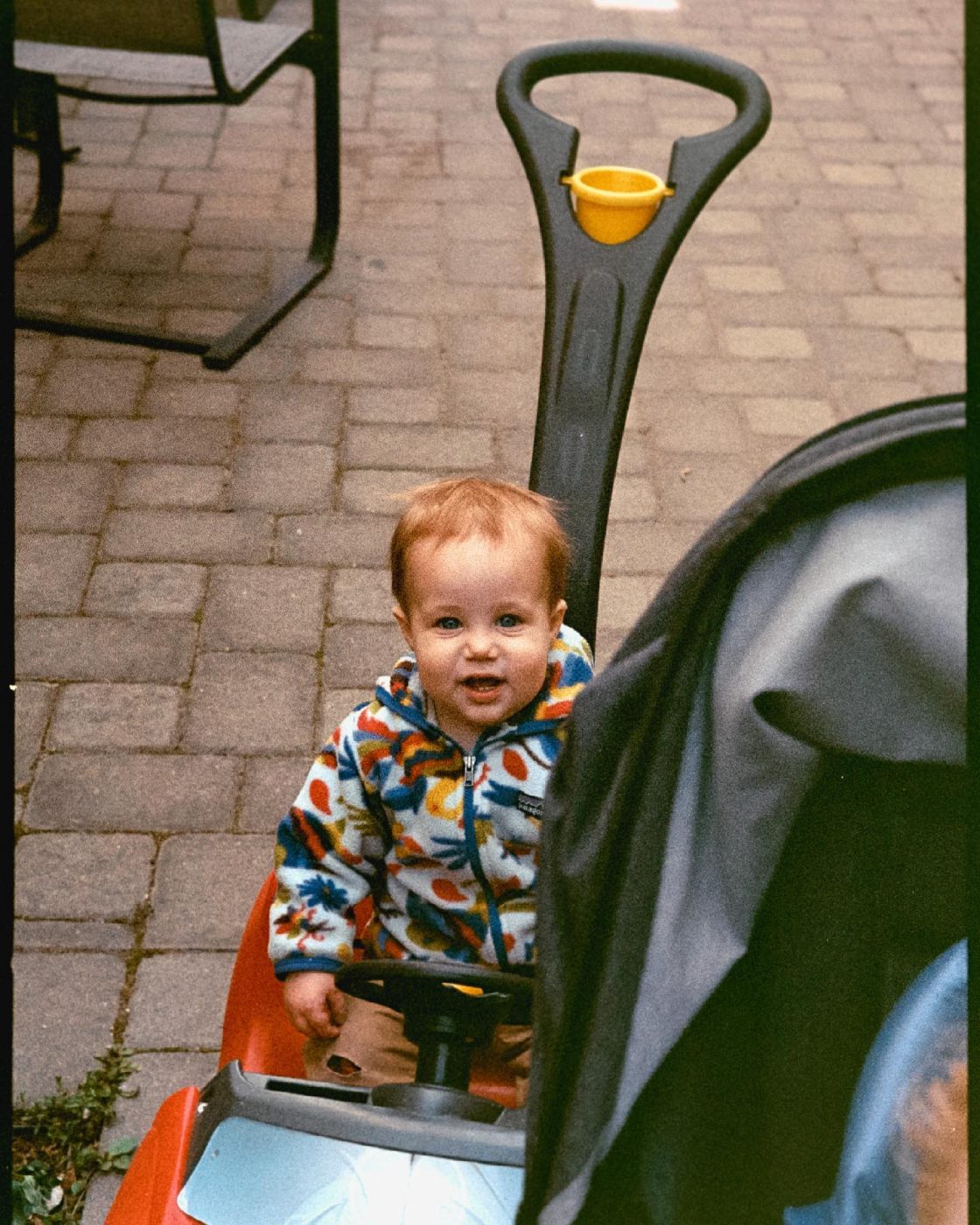
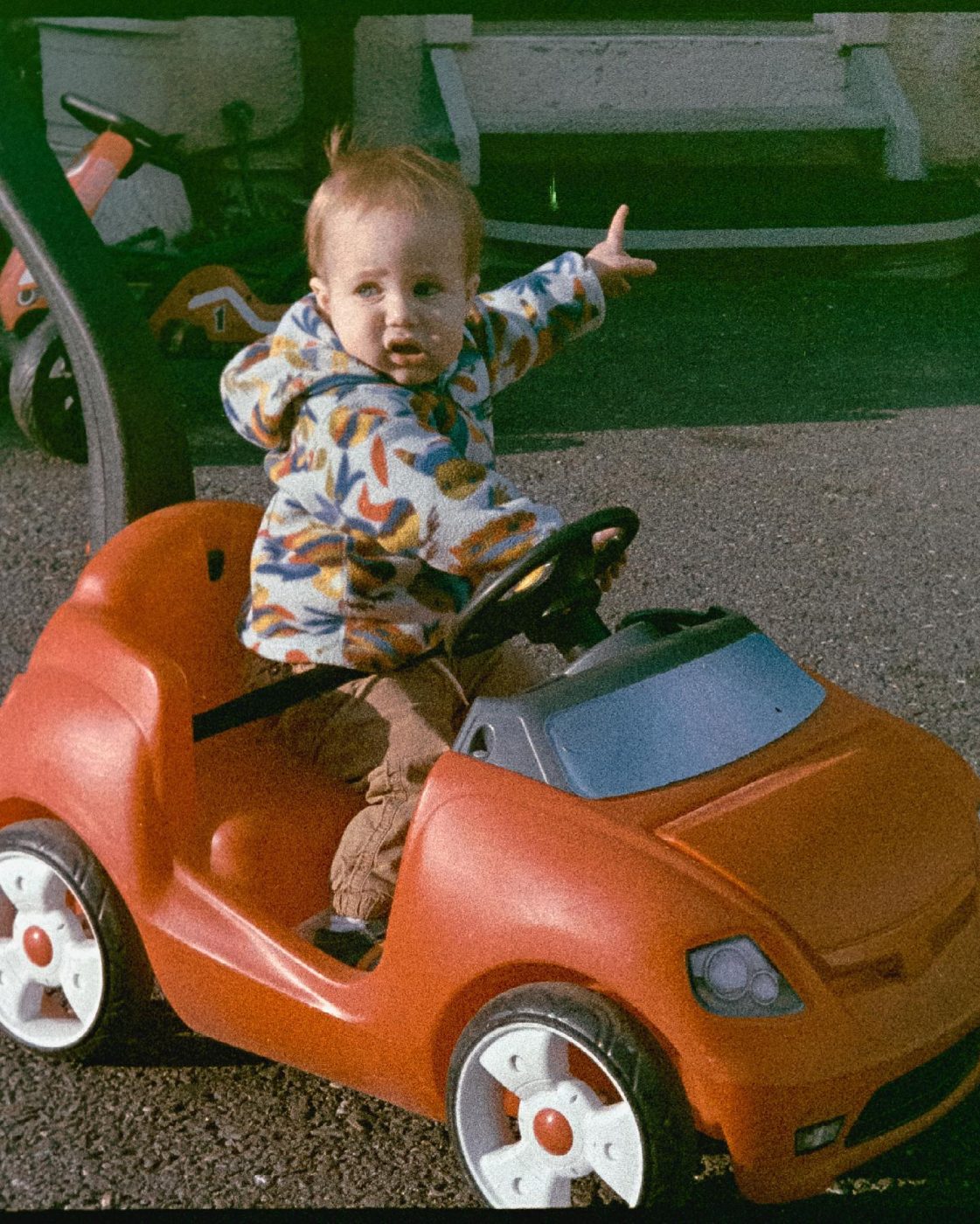
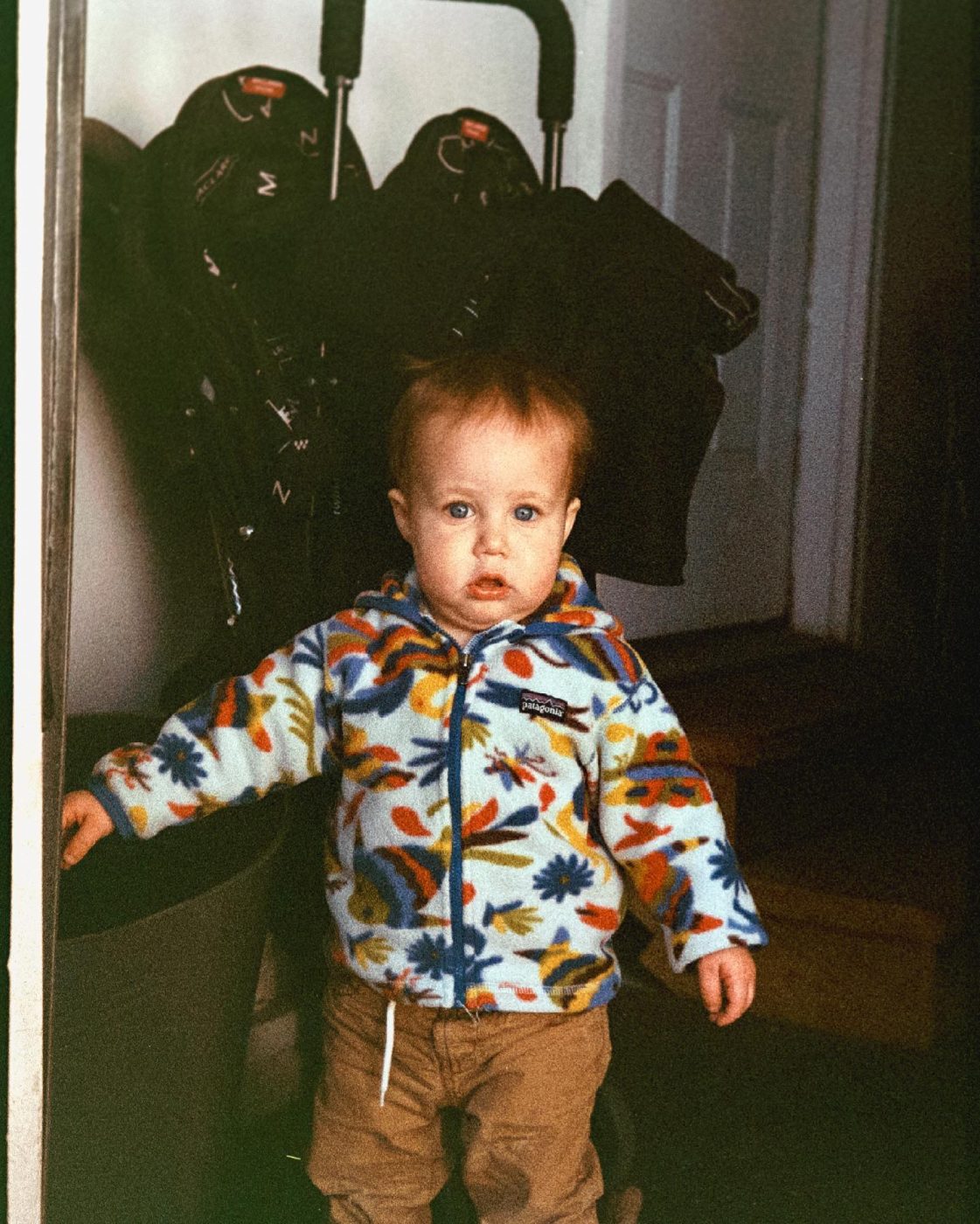
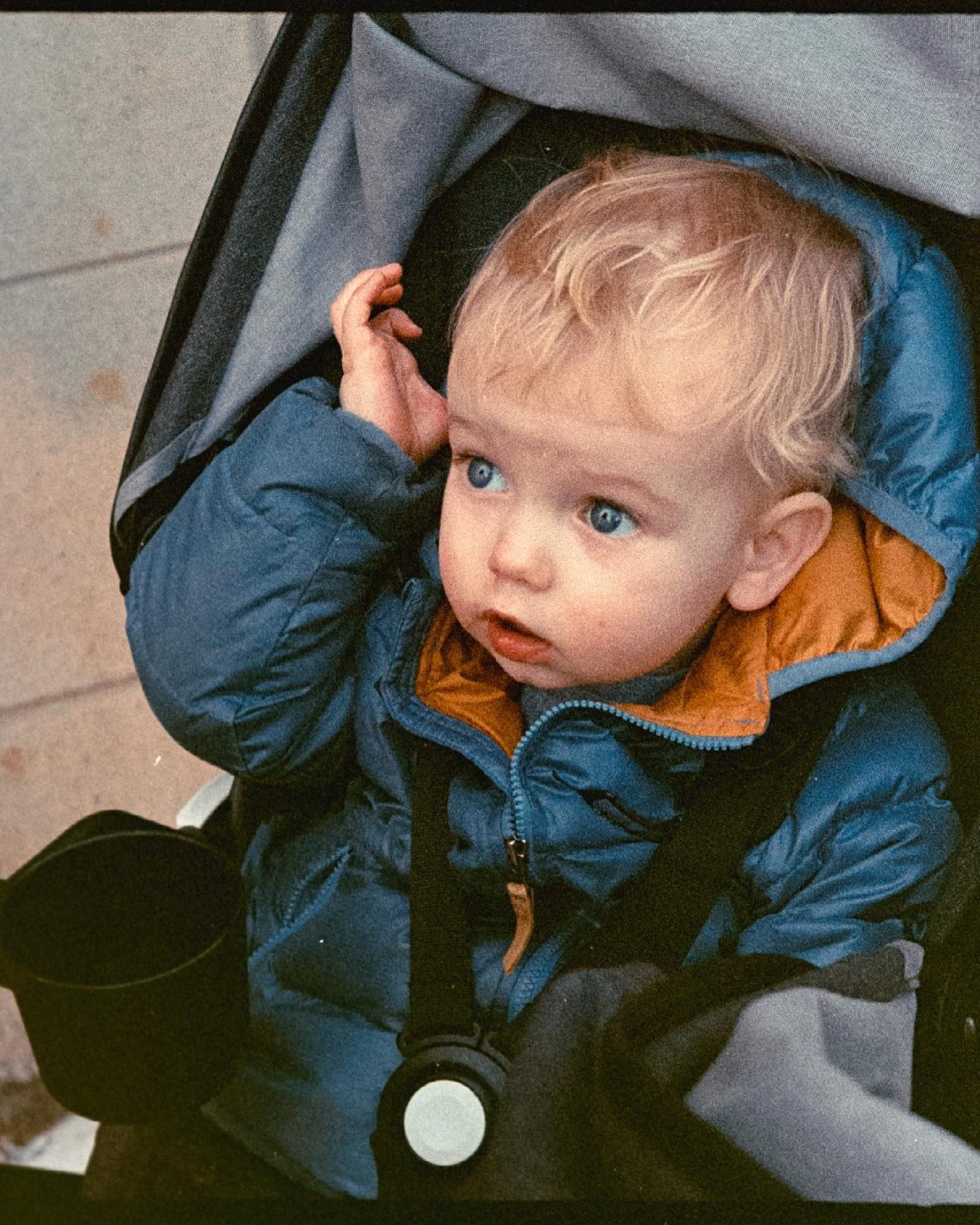
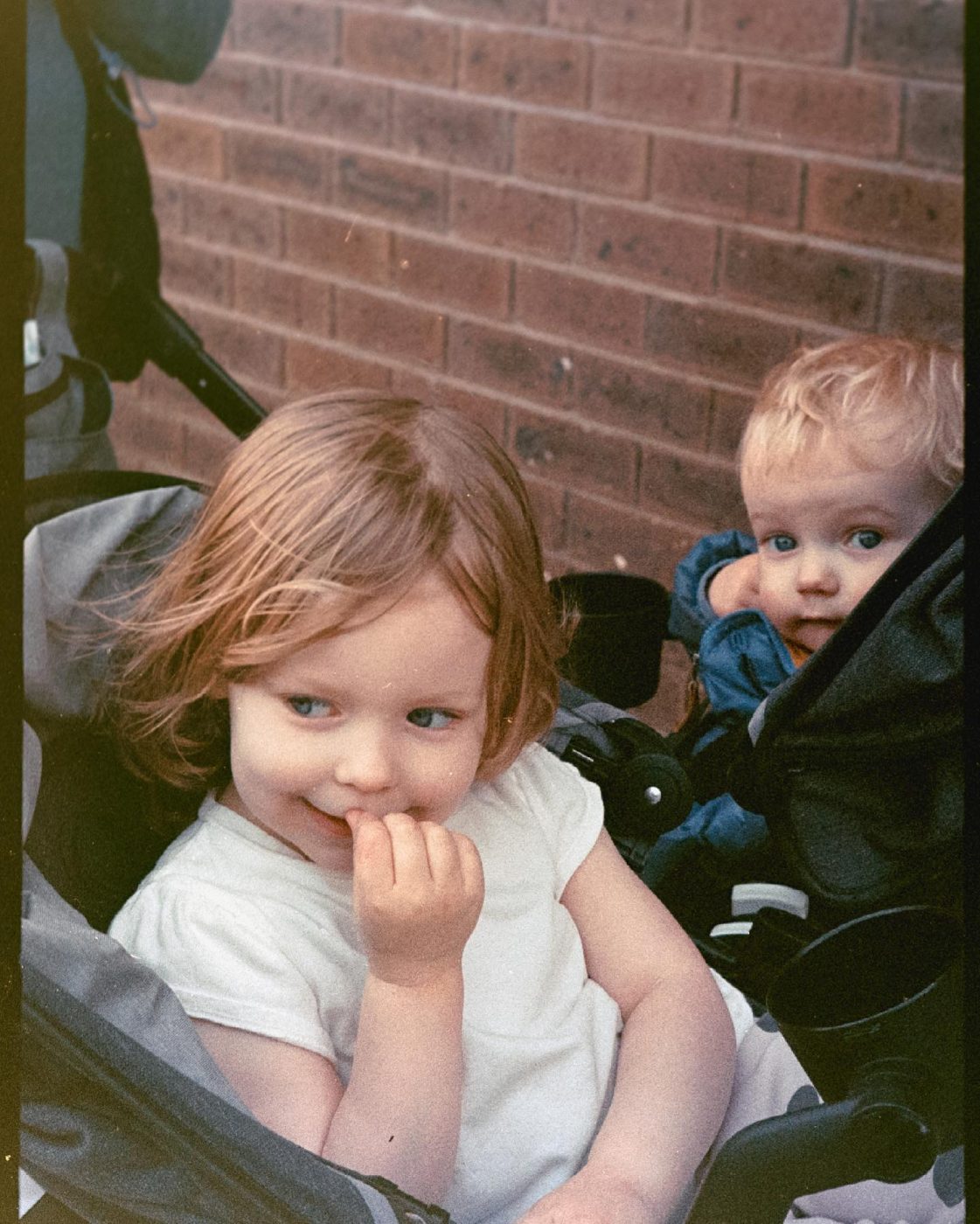
Little friends on half-frame. @juliacad @alymakintosh
#olympuspenf #kodakgold200 #filmomat #cinestillchemistry
-
Short-term Incentives Are Better
I have developed an unhelpful habit of eating before bed. At the end of a long day, often a stressful one, with two babies and already at a sleep deficit, that moment after the kids have gone to bed and I won’t be working anymore feels like it calls for something. 👇
Using longterm incentives to correct this: “I need to lose weight,” “I need to worry about my heart,” “I want to be quicker on the basketball court,” just leads me down a path of leaning on willpower, battling myself, and 68% of the time, giving in.
At day’s end, I’m fresh out of willpower, and it would be fun to eat for a minute.
Willpower is bunk. Every single piece of advice to use willpower for anything real or important is thoughtless garbagespeak.
Here’s a sophisticated decoder I’ve developed that you are free to use:
Code: (any words/advice that boil down to using willpower)
Translation: “So, errrrrm, have you tried just NOT doing that?”
So long-term incentives don’t work because willpower is still involved, willpower is a limited resource, no one really has any more of it than anyone else, and a person’s capacity for willpower cannot be appreciably cultivated or increased.
The good news is that the short-term incentive to avoid eating before bed is superior to anything long-term: My sleep, tonight, will be improved if I have tea instead of, say, finishing all the kids’ chicken fingers and tater tots.
Not a little improved. Radically transformed.
If I skip this nighttime snack, I will get to bed earlier, my body won’t radiate heat overnight, and I’ll wake up rested and happy (and with comfortable digestion).
For a little more evidence, I have metrics from my Oura ring that let me know just how much better my sleep was.
Sleep improves everything in my life, starting with my perception of life’s difficulties. Without enough sleep, life feels IMPOSSIBLE, like maybe we should give up on the human experiment. When I do have enough sleep, life feels possible, and sometimes even fun and exciting.
My short-term incentive for better sleep is perfectly synced with my long-term incentive for a healthier body and mind, but the short-term is the only one that really matters. The long-term incentives have never helped me over any significant period. Not once, not ever.
This is why any and all advice to “try harder” should be thrown in the trash forever. I have tried to my fullest capacity of trying. I promise: It doesn’t mean shit, it doesn’t do shit, it isn’t worth shit. It’s a burnout, whack-a-mole, failed design for living.
The shorter-term the incentive, the better, all the way down to “This is exactly what I want to be doing in this moment.” This approach produces happier, healthier people, a better world, and much more valuable (and prolific) results that any “hard work” ever could.
-
Short-term Incentives Are Better
I wrote about a tendency I've had the last few years to eat at night and why long-term health thinking has never been an effective motivator for me.
I have developed an unhelpful habit of eating before bed. At the end of a long day, often a stressful one, with two babies and already at a sleep deficit, that moment after the kids have gone to bed and I won't be working anymore feels like it calls for something. 👇
Using longterm incentives to correct this: "I need to lose weight," "I need to worry about my heart," "I want to be quicker on the basketball court," just leads me down a path of leaning on willpower, battling myself, and 68% of the time, giving in.
At day's end, I'm fresh out of willpower, and it would be fun to eat for a minute.
Willpower is bunk. Every single piece of advice to use willpower for anything real or important is thoughtless garbagespeak.
Here's a sophisticated decoder I've developed that you are free to use:
Code: (any words/advice that boil down to using willpower)
Translation: "So, errrrrm, have you tried just NOT doing that?"
So long-term incentives don't work because willpower is still involved, willpower is a limited resource, no one really has any more of it than anyone else, and a person's capacity for willpower cannot be appreciably cultivated or increased.
The good news is that the short-term incentive to avoid eating before bed is superior to anything long-term: My sleep, tonight, will be improved if I have tea instead of, say, finishing all the kids' chicken fingers and tater tots.
Not a little improved. Radically transformed.
If I skip this nighttime snack, I will get to bed earlier, my body won't radiate heat overnight, and I'll wake up rested and happy (and with comfortable digestion).
For a little more evidence, I have metrics from my Oura ring that let me know just how much better my sleep was.
Sleep improves everything in my life, starting with my perception of life's difficulties. Without enough sleep, life feels IMPOSSIBLE, like maybe we should give up on the human experiment. When I do have enough sleep, life feels possible, and sometimes even fun and exciting.
My short-term incentive for better sleep is perfectly synced with my long-term incentive for a healthier body and mind, but the short-term is the only one that really matters. The long-term incentives have never helped me over any significant period. Not once, not ever.
This is why any and all advice to "try harder" should be thrown in the trash forever. I have tried to my fullest capacity of trying. I promise: It doesn't mean shit, it doesn't do shit, it isn't worth shit. It's a burnout, whack-a-mole, failed design for living.
The shorter-term the incentive, the better, all the way down to "This is exactly what I want to be doing in this moment." This approach produces happier, healthier people, a better world, and much more valuable (and prolific) results that any "hard work" ever could.
-
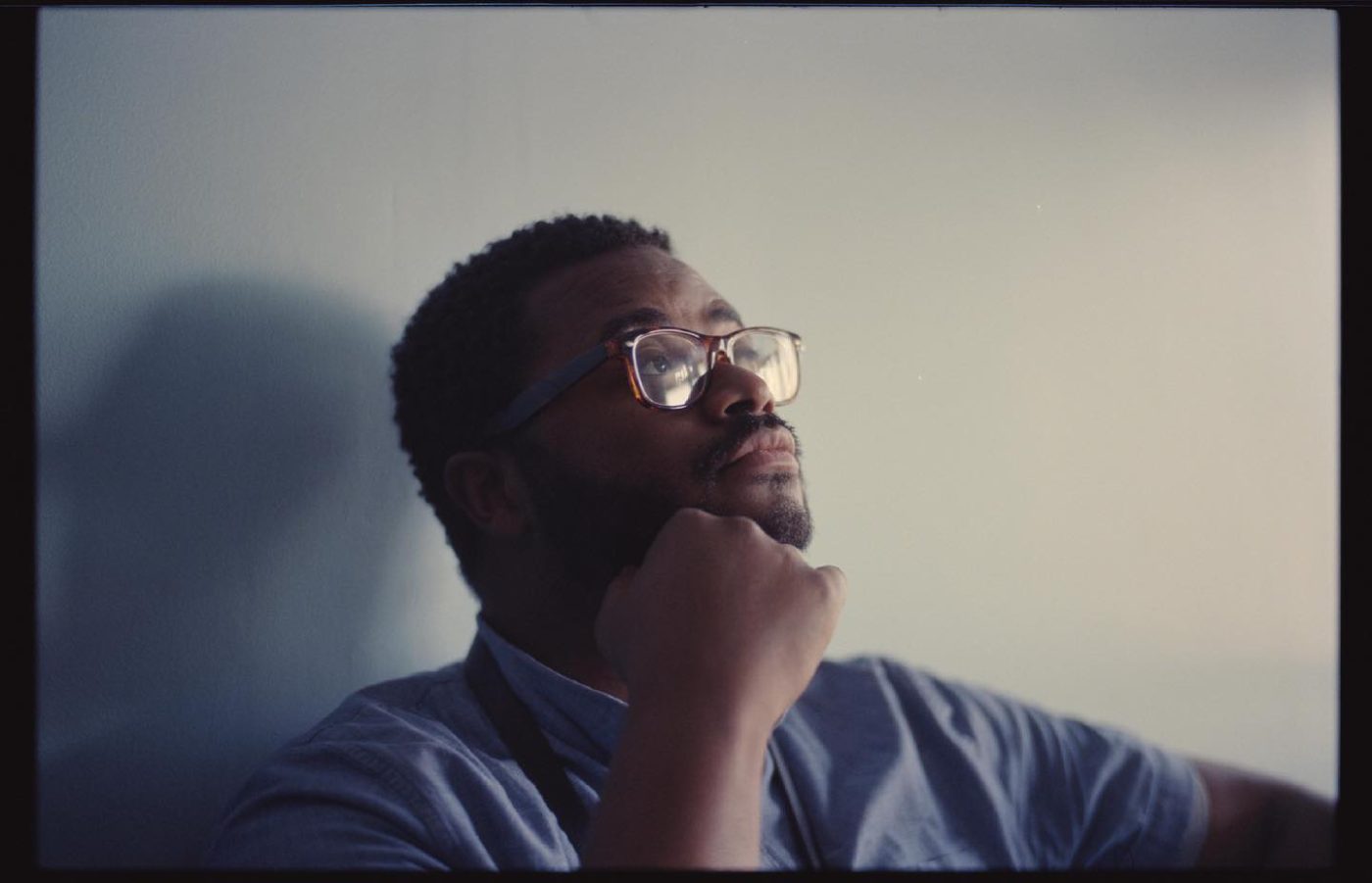
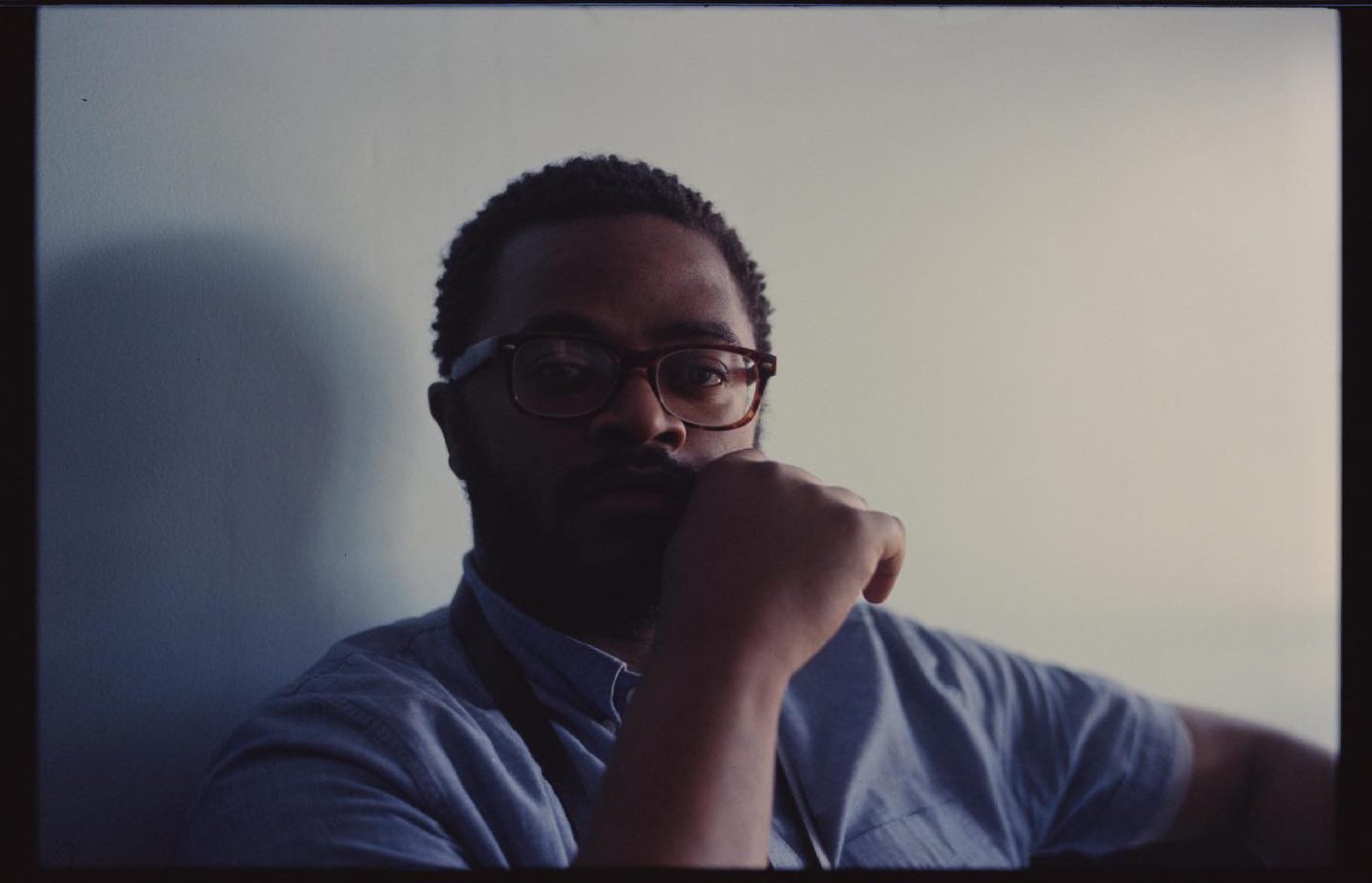
Newton.
#leicam3 #50lux #vision3250d
-
Bicycle Awareness
I took my first bike ride through the city in a while last night. I liked it so much, today I biked up to Fishtown to visit a friend’s studio.
There is absolutely nothing like riding a bike through a busy city. I love it. 👇
There’s something about the type of awareness you need to have when you’re on a bicycle. You need to be aware of everything, from potholes to the width of an opening to traffic and people.
The residual awareness from paying this much attention makes everything else shimmer.
Driving is very (frighteningly) easy to do without being aware of much of anything. Just autopilot.
With walking, you have the opportunity to be deeply aware of the world around you in an intimate way, but you don’t have to do it.
The bicycle forces you to pay attention.
Because you’re moving so fast, you get to see so much in such vividness, but always moving on to the next place. Even the smells are plentiful but momentary.
There are many other reasons that bicycles are amazing, but this type of awareness may be the bicycle’s greatest feature.
Philadelphia, just about every part of it, is so flavorful. So much character and soul in every neighborhood, and you really get a sense of it when you bicycle through town.
It helps a lot that most of the town is flat and they’ve done an excellent job adding bike lanes all around town.
There’s always a little bit of danger, of course, but that’s most of what provides this awareness. That’s a big topic for another day.
-
Bicycle Awareness
I wrote about one of the many reasons I love riding a bicycle so much. -
Low Key Reaching Out
I think that, on some level, these daily posts I’ve been writing for the past 135 days and the weekly Personal Email Newsletter (PEN) that I’ve been sending for 40 weeks are just a low key way of reaching out. 👇
Believe it or not, I really don’t want to bother anybody. A very high priority in my life is not to bother anyone or God forbid ask them to do anything.
But let’s be real, this culture’s getting lonely out here and sometimes I just need to reach out.
Hey.
By publishing something small every day, I’ve “invited” other people to say hey back, but only if they want to. The last thing I want to do is bother anybody. I know they’re busy. They don’t need another source of obligation or guilt. I’m not giving them that.
The result of daily publishing is that I’ve met new friends, reconnected with past acquaintances, exchanged loving notes with family and old friends, I mean… It’s been amazing.
Publishing stuff frequently does a lot of different things. I’m finding that any single one of them makes the whole thing worth it.
The fact that publishing is a way of low key reaching out might be the best feature of all.
For the record, I’m generally not a fan of using “low key” to describe everything but it seems to apply well here. By saying hey to everyone at once, and doing it every single day, I’m offering the lowest pressure invitation to say hey back.
And it works!
This last year has been hard. And it’s been harder because it’s been lonely. I miss people (truthfully I missed people before this year, this year has just accentuated it).
This is all I’m saying: I’m down to say hey to y’all whenever, but also I have zero expectations beyond maybe one person reading this in 6 months and saying hey, and that alone makes it all worth it.
It’s perfect, in fact.
-
Low Key Reaching Out
I wrote about one of the best things about this publishing habit I've had for the last 135 days and 40 weeks.
I think that, on some level, these daily posts I've been writing for the past 135 days and the weekly Personal Email Newsletter (PEN) that I've been sending for 40 weeks are just a low key way of reaching out. 👇
Believe it or not, I really don't want to bother anybody. A very high priority in my life is not to bother anyone or God forbid ask them to do anything.
But let's be real, this culture's getting lonely out here and sometimes I just need to reach out.
Hey.
By publishing something small every day, I've "invited" other people to say hey back, but only if they want to. The last thing I want to do is bother anybody. I know they're busy. They don't need another source of obligation or guilt. I'm not giving them that.
The result of daily publishing is that I've met new friends, reconnected with past acquaintances, exchanged loving notes with family and old friends, I mean... It's been amazing.
Publishing stuff frequently does a lot of different things. I'm finding that any single one of them makes the whole thing worth it.
The fact that publishing is a way of low key reaching out might be the best feature of all.
For the record, I'm generally not a fan of using "low key" to describe everything but it seems to apply well here. By saying hey to everyone at once, and doing it every single day, I'm offering the lowest pressure invitation to say hey back.
And it works!
This last year has been hard. And it's been harder because it's been lonely. I miss people (truthfully I missed people before this year, this year has just accentuated it).
This is all I'm saying: I'm down to say hey to y'all whenever, but also I have zero expectations beyond maybe one person reading this in 6 months and saying hey, and that alone makes it all worth it.
It's perfect, in fact.
-
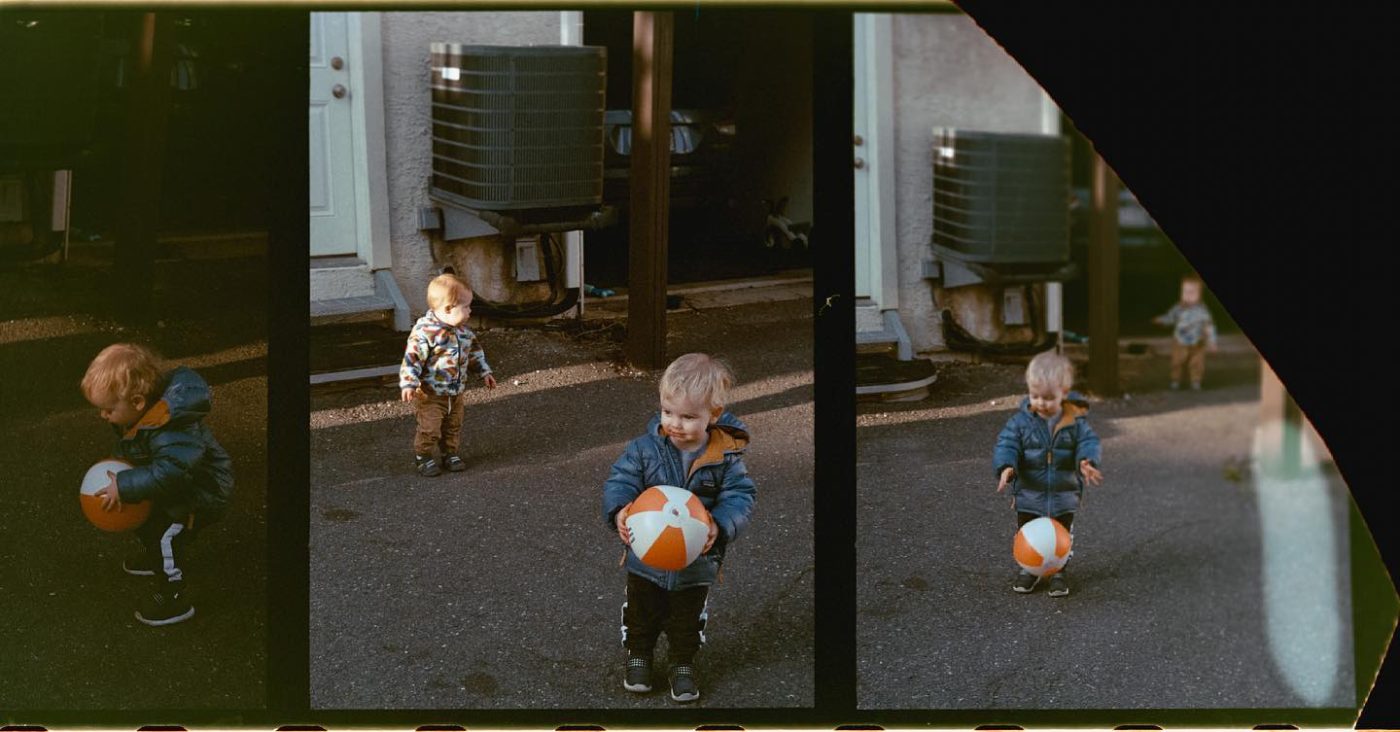
Half-frame film end.
#olympuspenf #kodakgold200 @negative.supply @filmomat_official
-
I Was Wrong
Admitting you were wrong is harder the longer you’ve been wrong. This is true even if you don’t have an ego thing about it. There can be a deep regret that comes along with accepting you were very, stubbornly wrong for a very long time. 👇
This regret is worse if your wrongness has negatively affected others. People you care about.
Probably my least favorite feeling comes from knowing I’ve let people down. This is even worse when I did so out of hubris.
It’s still 100% worth it to fully accept you were wrong. Every breach in the Dam of Certainty loosens up all other ideas that have hardened, often invisibly.
“What else could I be totally wrong about?”
Decisive action and humble hesitation feels like a tricky balancing act. One might logically conclude that cultivating humility and openness to being wrong would compromise decisiveness.
The reality appears to be the opposite.
I find that the more aware I am that I might be wrong, the quicker and more confidently I can make decisions.
Even the most arrogant person can’t help but smell the dust of vague risk. Even when their eyes are fully closed.
-
I Was Wrong
I wrote about what it can feel like to finally give up and admit you were wrong about something.
Admitting you were wrong is harder the longer you've been wrong. This is true even if you don't have an ego thing about it. There can be a deep regret that comes along with accepting you were very, stubbornly wrong for a very long time. 👇
This regret is worse if your wrongness has negatively affected others. People you care about.
Probably my least favorite feeling comes from knowing I've let people down. This is even worse when I did so out of hubris.
It's still 100% worth it to fully accept you were wrong. Every breach in the Dam of Certainty loosens up all other ideas that have hardened, often invisibly.
"What else could I be totally wrong about?"
Decisive action and humble hesitation feels like a tricky balancing act. One might logically conclude that cultivating humility and openness to being wrong would compromise decisiveness.
The reality appears to be the opposite.
I find that the more aware I am that I might be wrong, the quicker and more confidently I can make decisions.
Even the most arrogant person can't help but smell the dust of vague risk. Even when their eyes are fully closed.
-
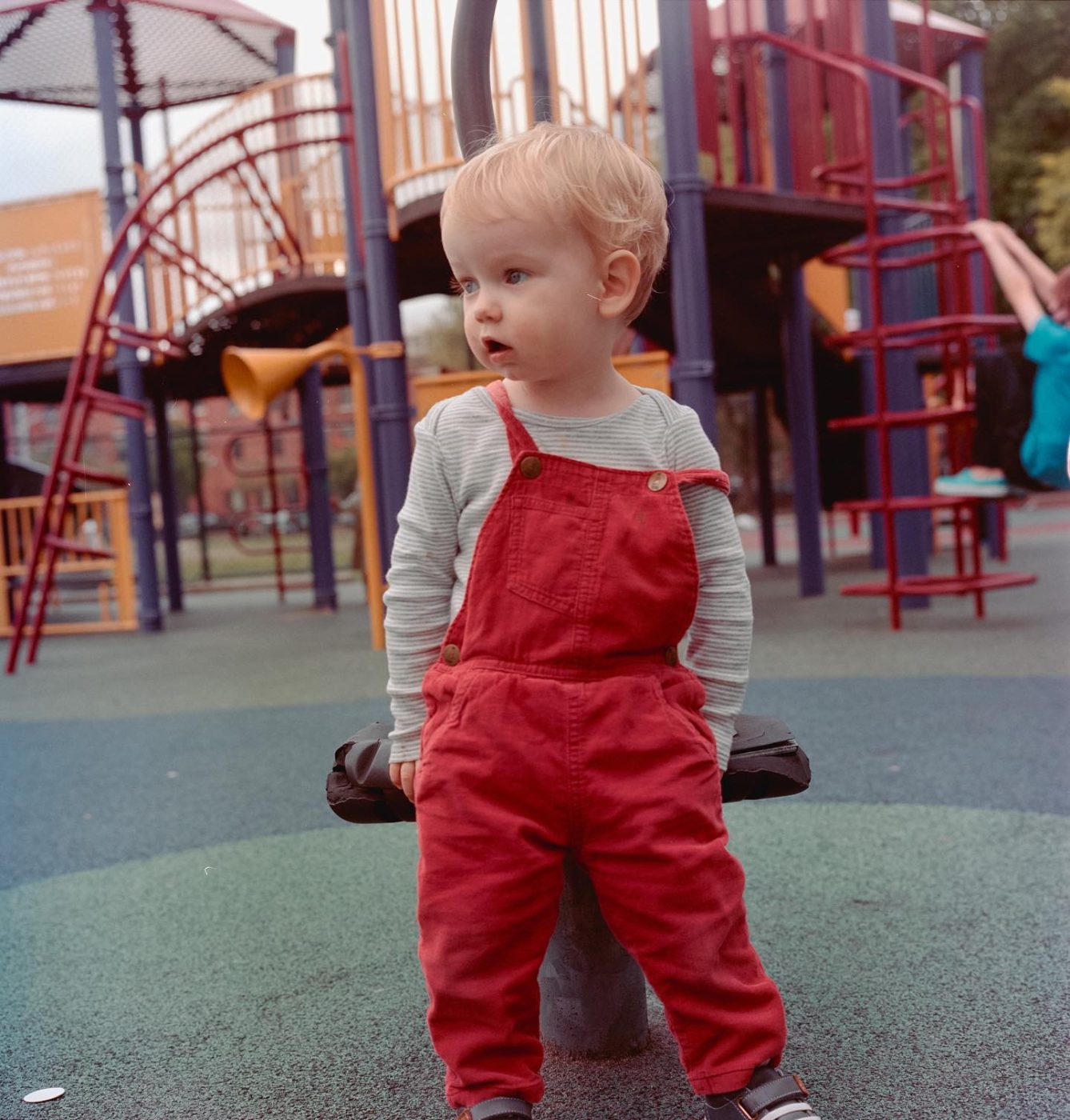
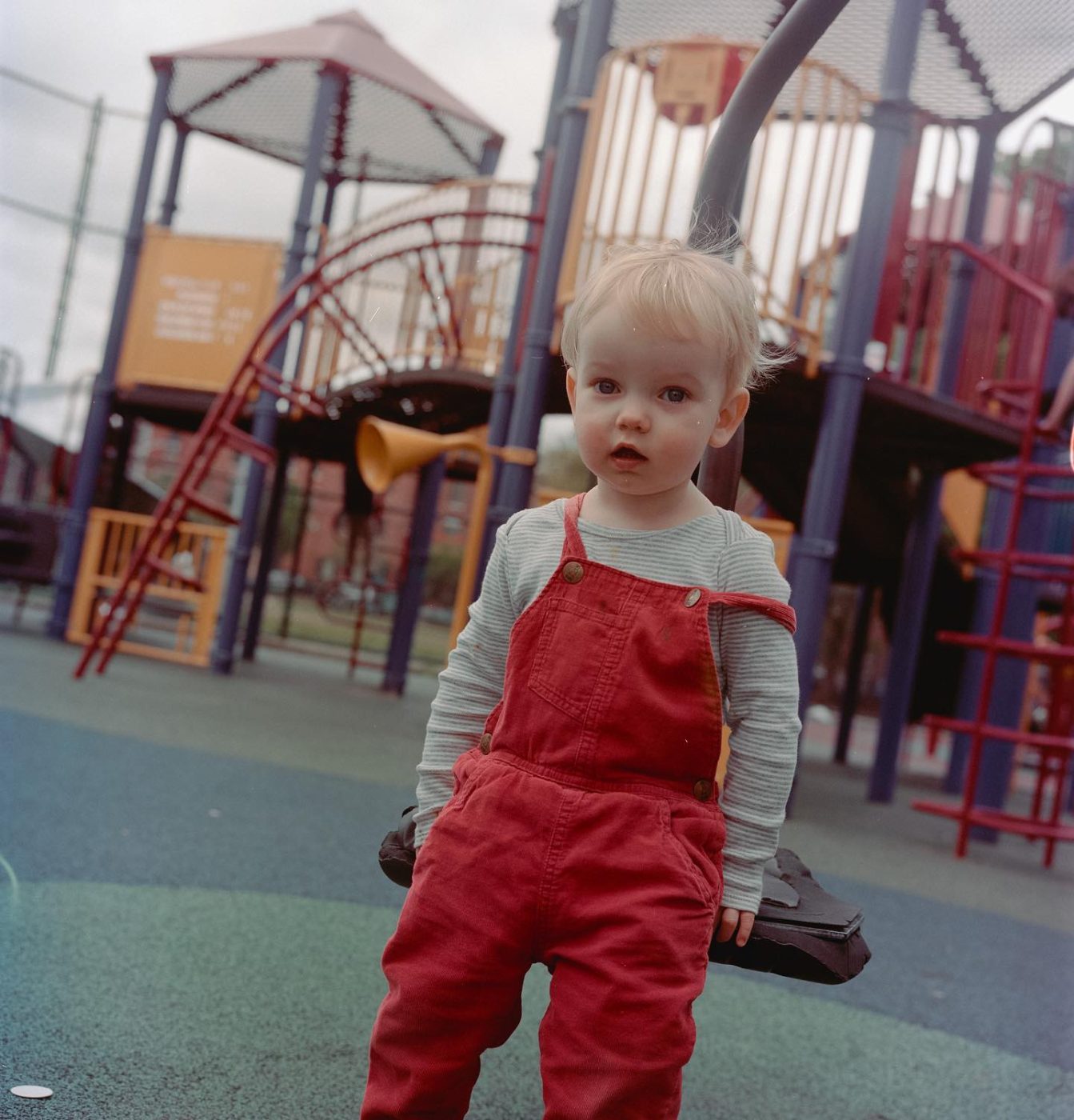
Wendell leaning.
#rolleiflex #portra400
-
Film Editing Endurance
Though I barely edit film now (hope to get back to it in a little bit), it was my primary job for a decade.
While editing does require physical and mental endurance (and patience), the muscle it really strengthens is a kind of emotional endurance. 👇
Film, in my opinion, is the least-mediated medium. Relative to other artforms, film plugs directly into the human emotion port. It’s instantaneous and interpretation is automatic.
The experience of editing film is the experience of playing back emotions over and over again, and the trick is being open so that you can stay freshly attuned to how your analog amygdala is reacting.
This is, not harder, but different than it would seem.
Just as your eyes adjust and recalibrate to the world through color-tinted sunglasses or ski goggles in mere seconds, your emotional response will adapt to a visual story, especially when the emotions are overwhelming in some way (probably what you’re going for).
As in real life, the best way to increase emotional capacity is counterintuitive: The strategy is to fully feel the emotions, not to suppress them.
Emotional fatigue results from suppressing emotions, not from feeling them.
So when you’re editing a moment on film that’s choking you up, or making you feel scared or excited or proud, the absolute best way to keep yourself in it, calibrated, improving, is to fully feel it.
You may feel foolish crying over and over again when you play a moment 100 times, but that’s the job.
And it’s a beautiful job.
-
Film Editing Endurance
I wrote about what from my experience it takes to edit film.
Though I barely edit film now (hope to get back to it in a little bit), it was my primary job for a decade.
While editing does require physical and mental endurance (and patience), the muscle it really strengthens is a kind of emotional endurance. 👇
Film, in my opinion, is the least-mediated medium. Relative to other artforms, film plugs directly into the human emotion port. It's instantaneous and interpretation is automatic.
The experience of editing film is the experience of playing back emotions over and over again, and the trick is being open so that you can stay freshly attuned to how your analog amygdala is reacting.
This is, not harder, but different than it would seem.
Just as your eyes adjust and recalibrate to the world through color-tinted sunglasses or ski goggles in mere seconds, your emotional response will adapt to a visual story, especially when the emotions are overwhelming in some way (probably what you're going for).
As in real life, the best way to increase emotional capacity is counterintuitive: The strategy is to fully feel the emotions, not to suppress them.
Emotional fatigue results from suppressing emotions, not from feeling them.
So when you're editing a moment on film that's choking you up, or making you feel scared or excited or proud, the absolute best way to keep yourself in it, calibrated, improving, is to fully feel it.
You may feel foolish crying over and over again when you play a moment 100 times, but that's the job.
And it's a beautiful job.
-
Wendell focusing.
#fujiklasse #portra400