The Little Rebellion
The social feed — little posts written here and everything syndicated elsewhere, in one stream.
-
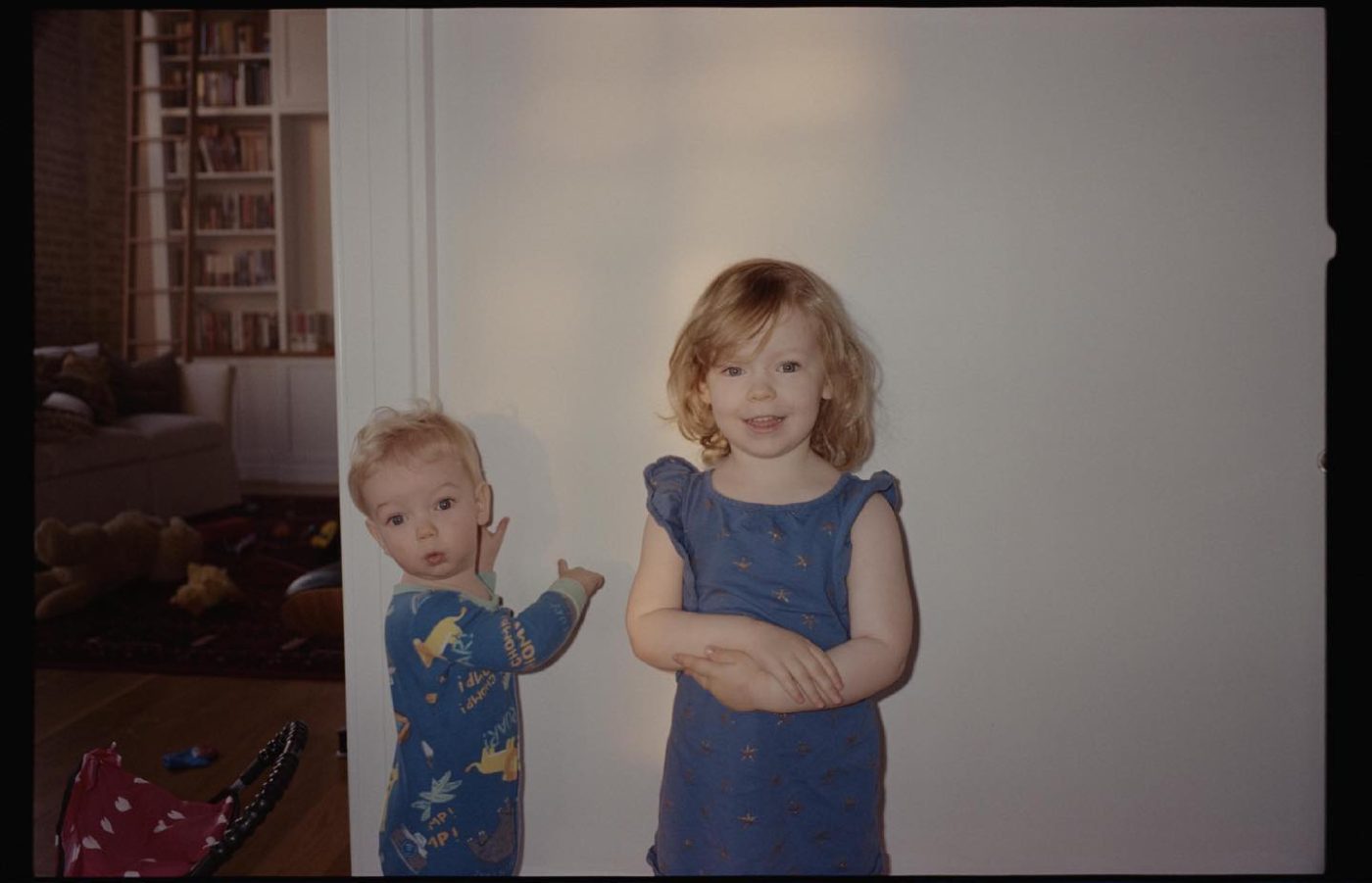
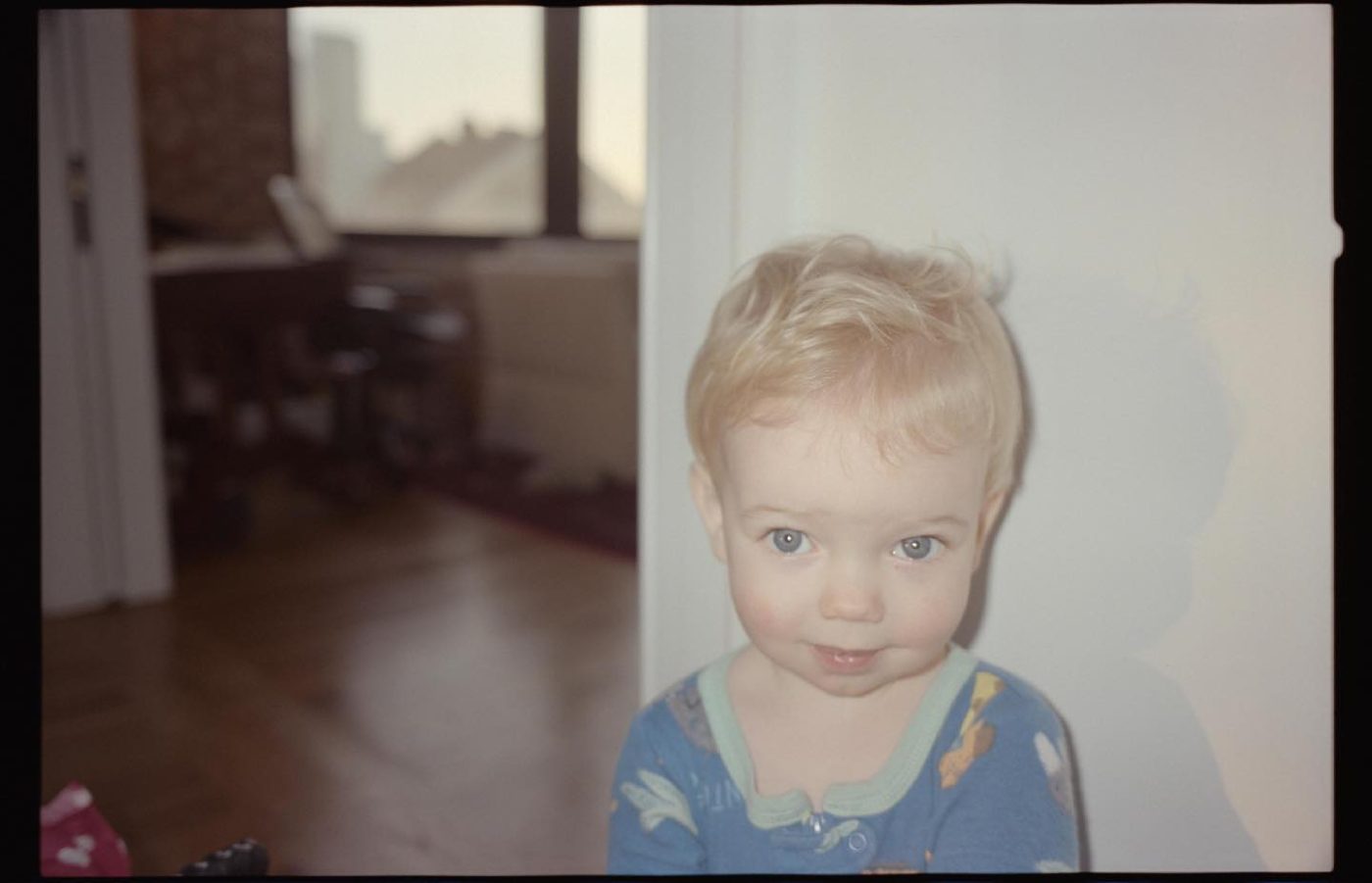
Generally not a fan of (comfortable with) flash but I’m interested in playing with it. Here are a couple snapshots.
#fujiklasse #kodakvision250d
-
Abandoned Projects
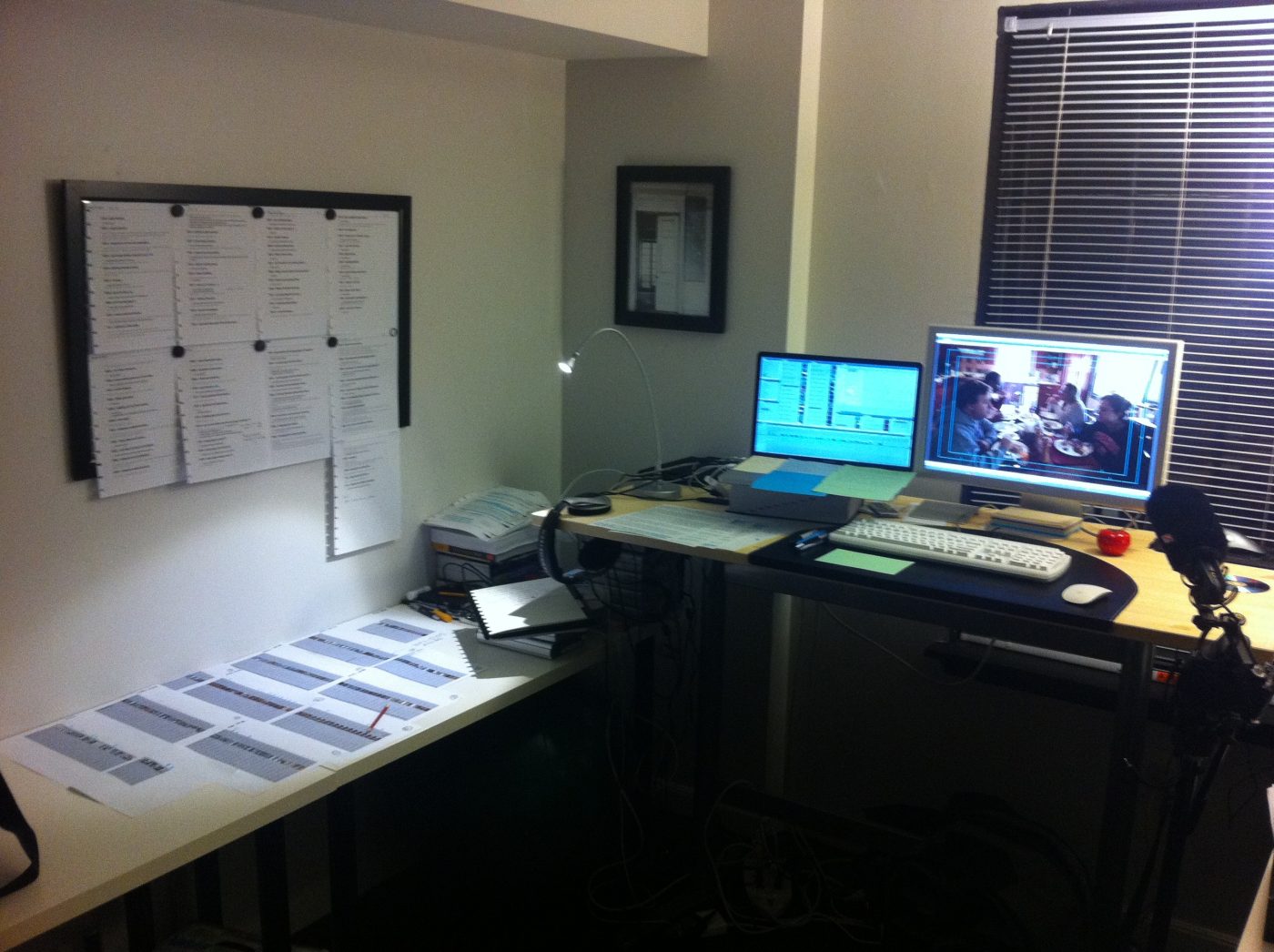
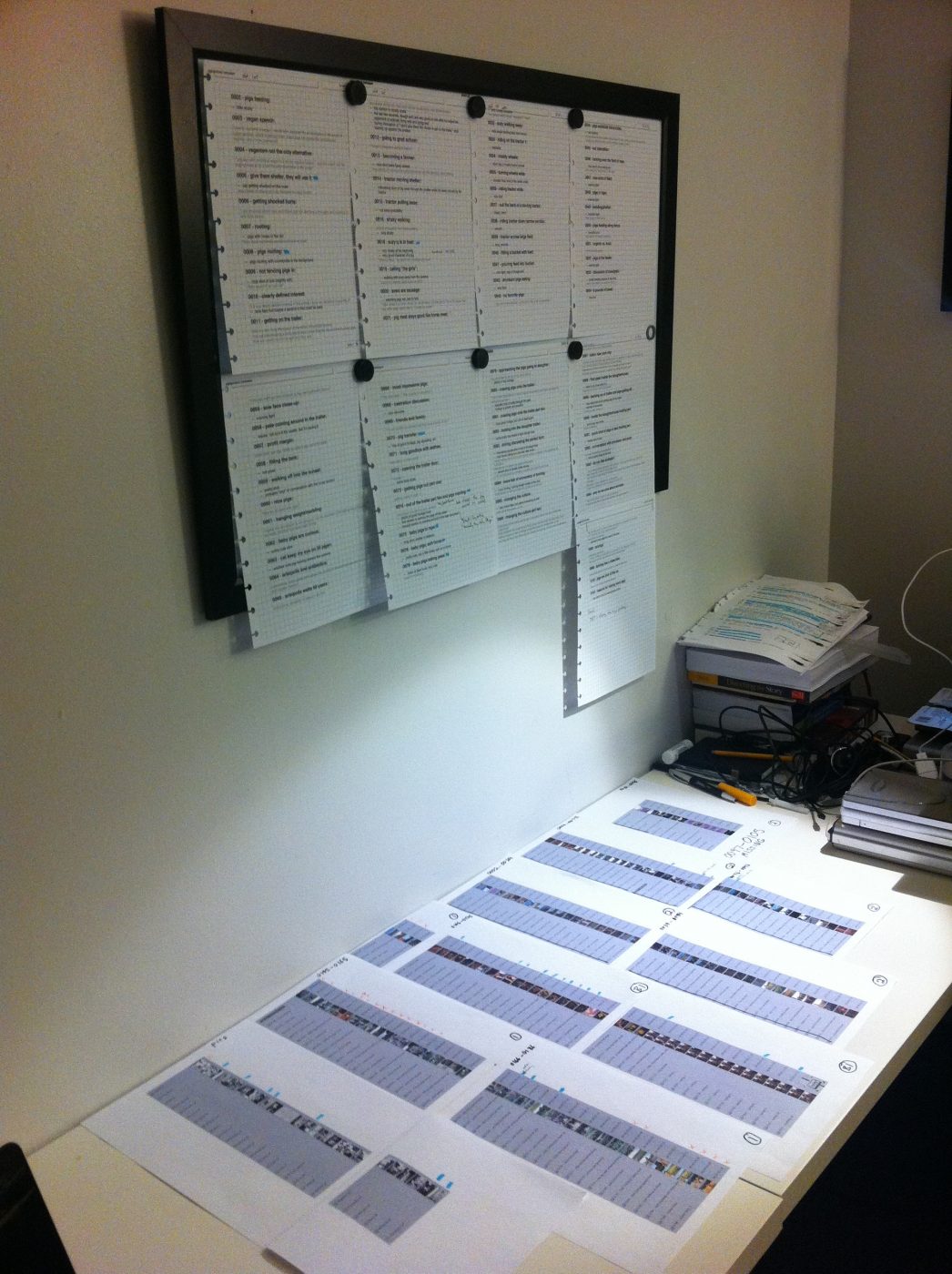
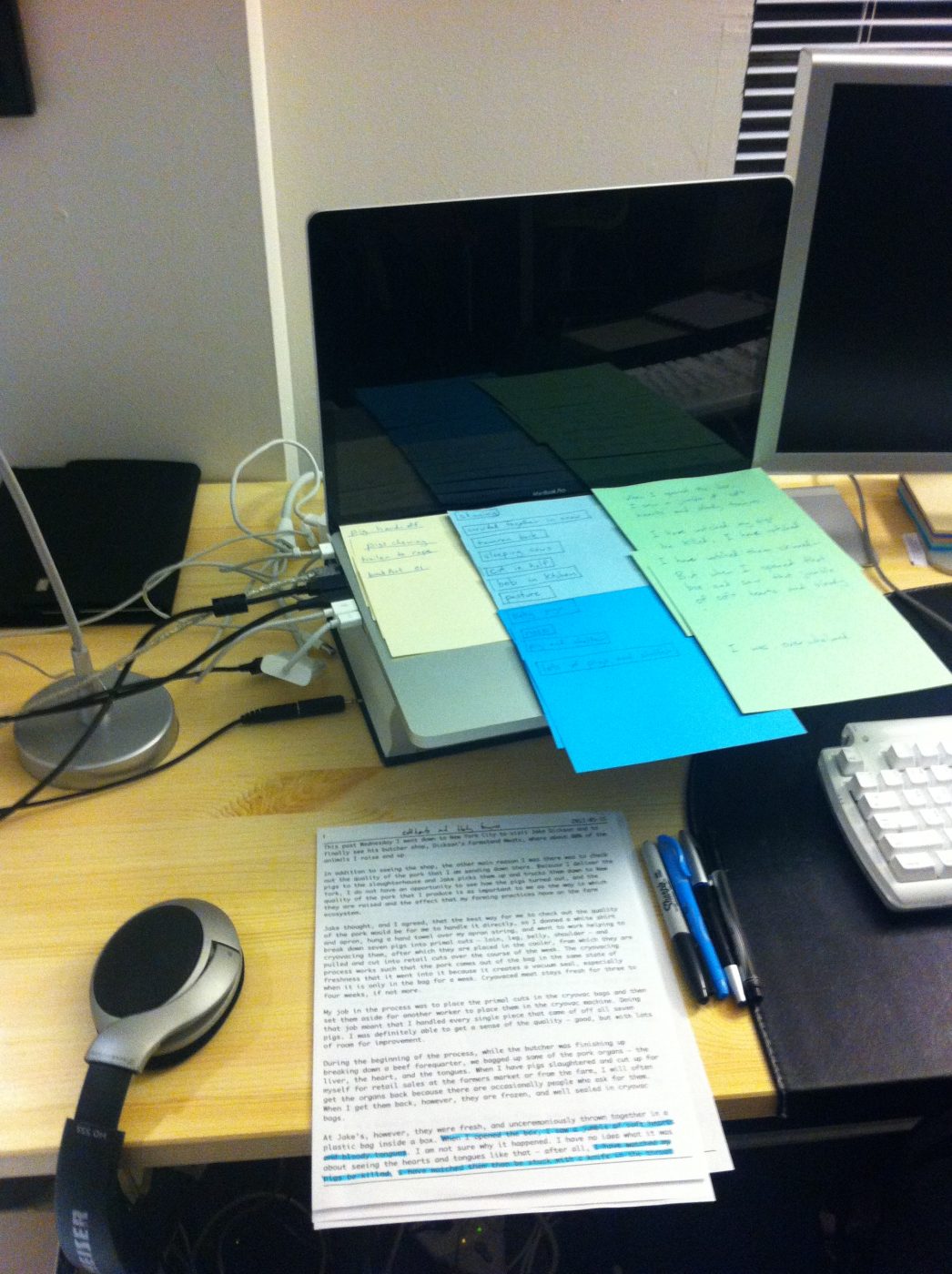
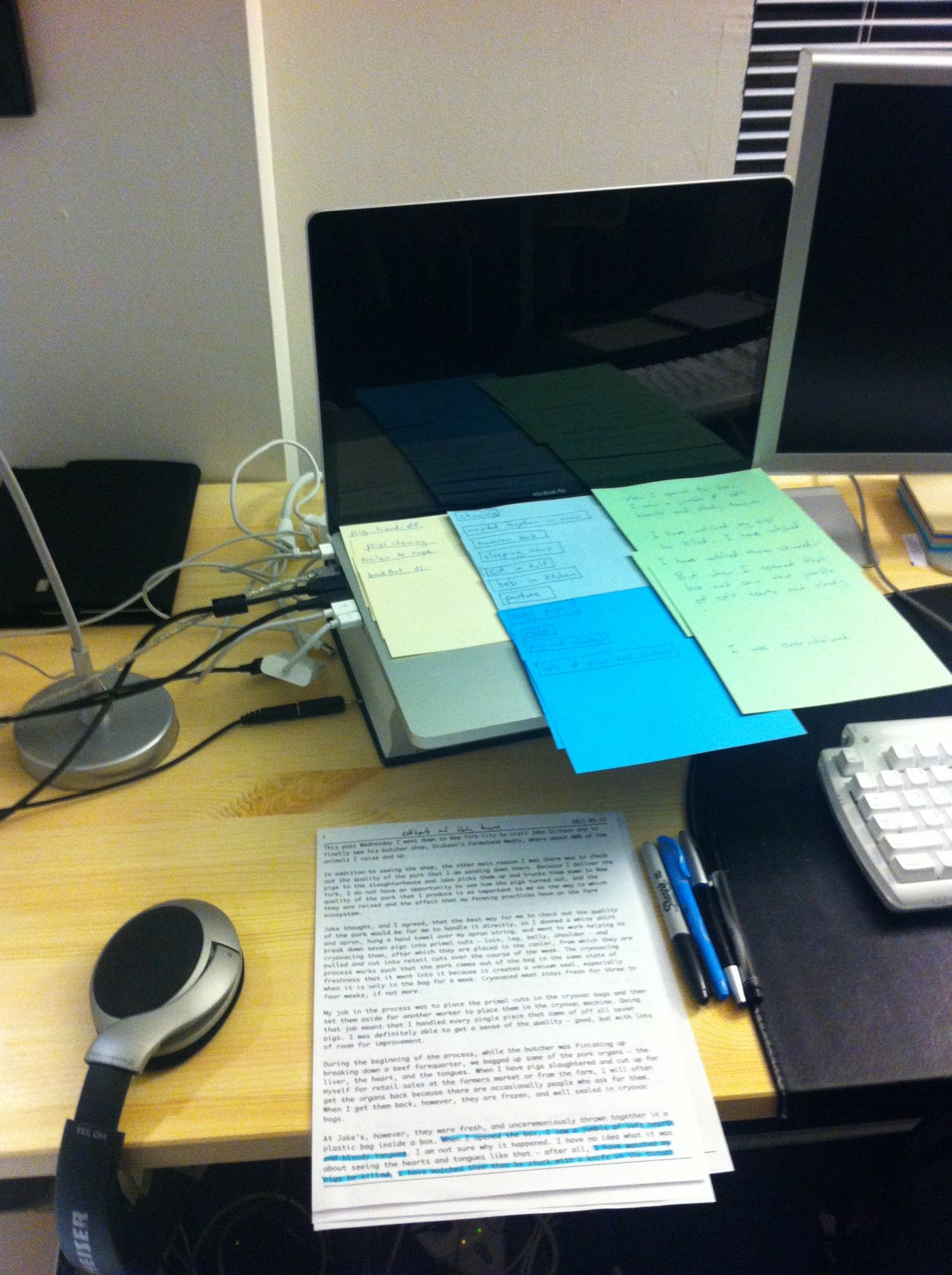
Came across a shot of my desk 10+ years ago at the coworking space where I started out. I was “working on a documentary” that I never ended up making. There are a lot of these projects in my cabinets.
I’m interested in not feeling guilty about this kind of thing anymore.👇
I was never actually interested in doing most of the projects. To be more clear, I was very interested in some small aspect—usually in love with the idea of the project. But I never considered that 91-94% of the project I had neither the skills nor the inclination to pursue.
If I had forced myself to follow through on even one of most of these projects, it may have meant ruin for me. Truly.
But as one after the other has found its way into the dusty failfile over the years, I’ve just built up substantial guilt, shame, disgust with myself.
One thing I realize now is that I should have been doing smaller things. Every idea I ever come up with seems to appear fully-formed at massive scale.
The smallest ideas are feature-length films, often period films. Those are the small ones.
So yeah, I often say “I haven’t done anything I said I wanted to do.” That’s true when viewed narrowly. The great thing that has come into my life in the past years in the idea of doing little things, which I now do daily, and they give me great satisfaction.
I just wish I could feel the same way about all the scenes and screenplays that I wrote over the years, and all the sketches and designs and JavaScript proofs-of-concept and the reams and reams of prose that exploded from sudden inspiration.
If I’m totally honest, I still have a subtle obsession, a glimmer of hope, that all those old things may come back to help me create something someday.
But my true intention is to settle for making peace with them all as they are.
Those were all the little things I made back then, and I made a lot of them. I just never showed them to anyone. And I never finished what they were pointing toward.
And of course I didn’t.
-
Abandoned Projects
I wrote about a lot of guilt I have about unfinished projects...
Came across a shot of my desk 10+ years ago at the coworking space where I started out. I was "working on a documentary" that I never ended up making. There are a lot of these projects in my cabinets.
I'm interested in not feeling guilty about this kind of thing anymore.👇
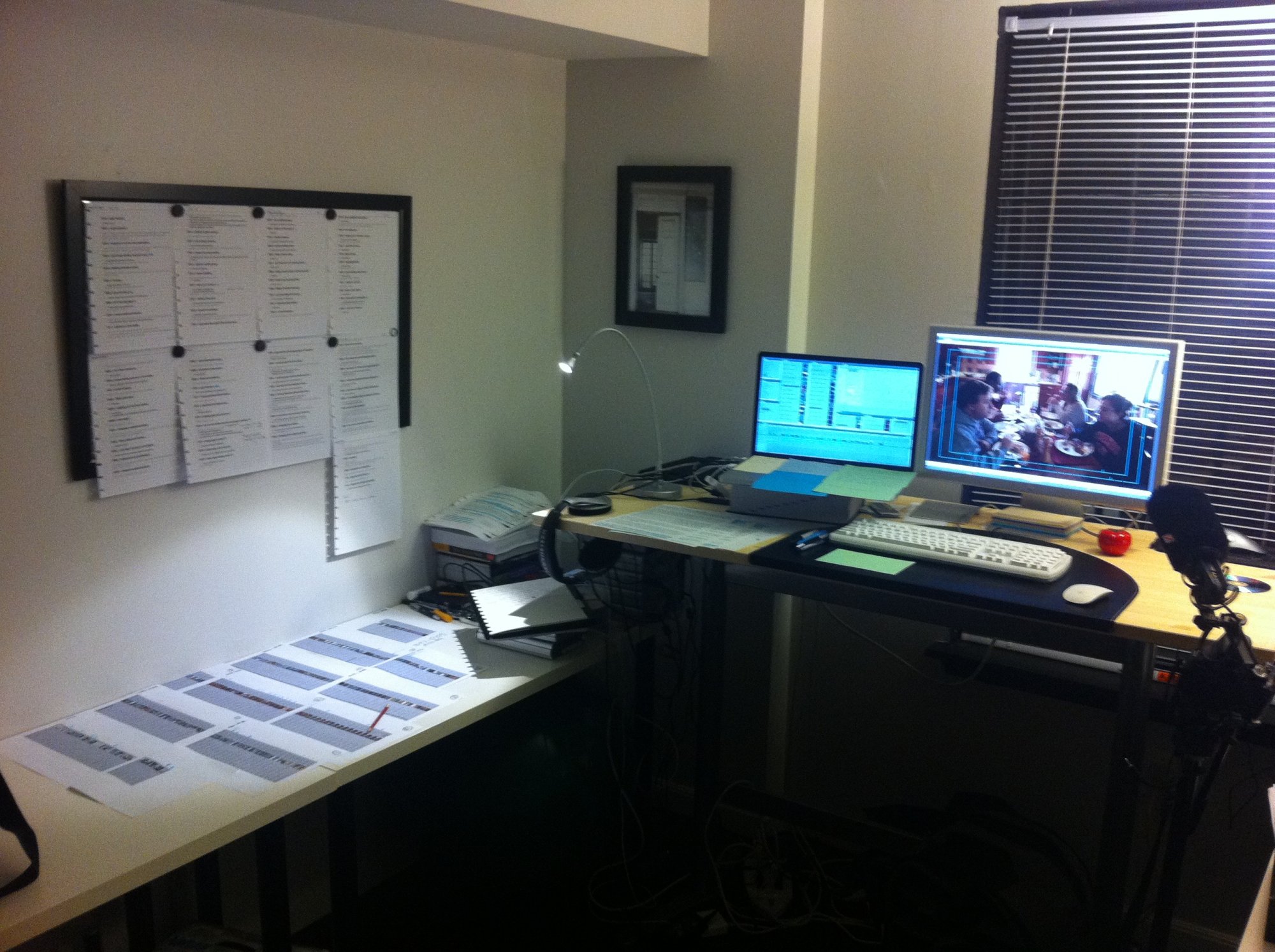
I was never actually interested in doing most of the projects. To be more clear, I was very interested in some small aspect—usually in love with the idea of the project. But I never considered that 91-94% of the project I had neither the skills nor the inclination to pursue.
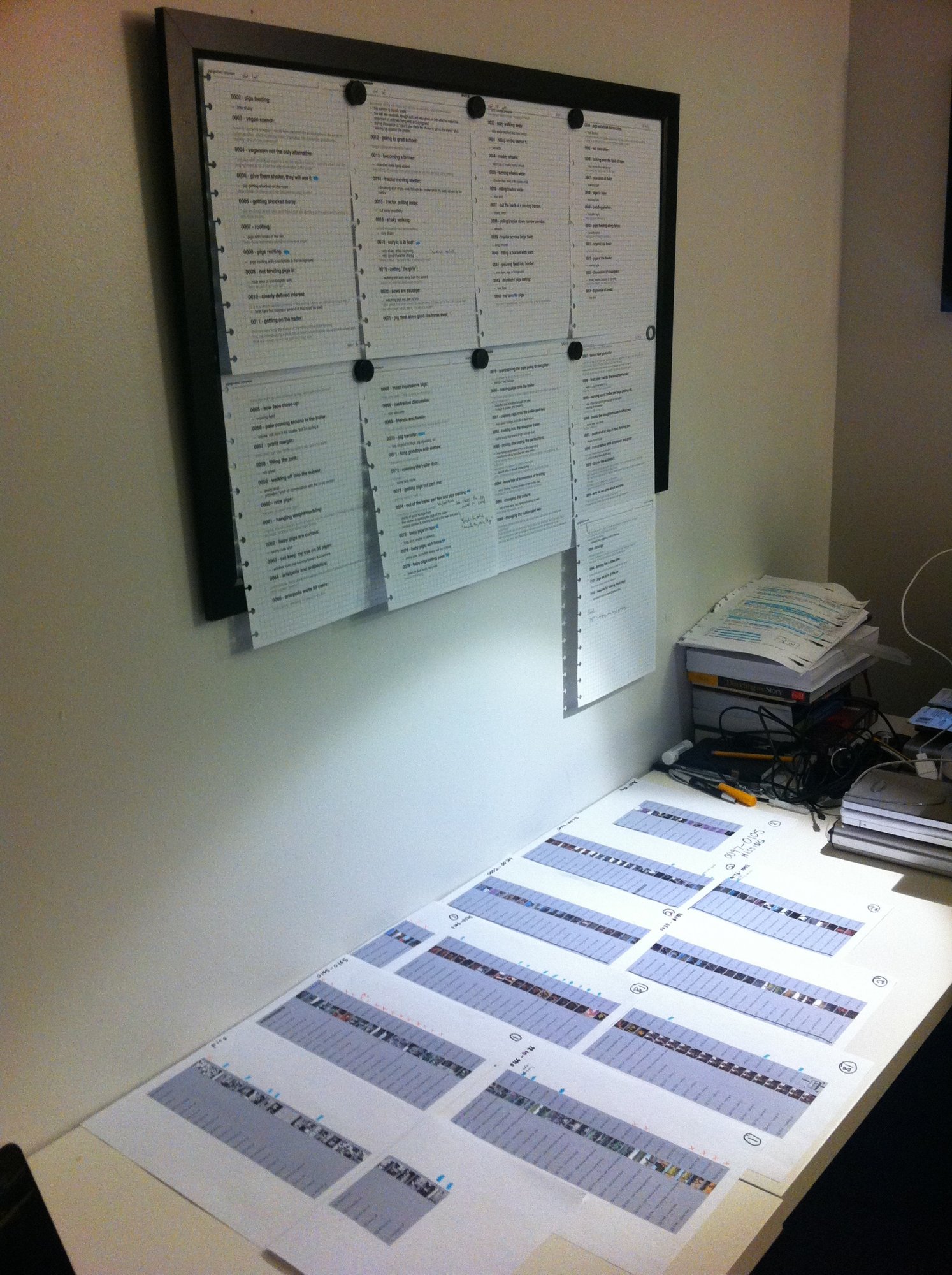
If I had forced myself to follow through on even one of most of these projects, it may have meant ruin for me. Truly.
But as one after the other has found its way into the dusty failfile over the years, I've just built up substantial guilt, shame, disgust with myself.
One thing I realize now is that I should have been doing smaller things. Every idea I ever come up with seems to appear fully-formed at massive scale.
The smallest ideas are feature-length films, often period films. Those are the small ones.
So yeah, I often say "I haven't done anything I said I wanted to do." That's true when viewed narrowly. The great thing that has come into my life in the past years in the idea of doing little things, which I now do daily, and they give me great satisfaction.
I just wish I could feel the same way about all the scenes and screenplays that I wrote over the years, and all the sketches and designs and JavaScript proofs-of-concept and the reams and reams of prose that exploded from sudden inspiration.
If I'm totally honest, I still have a subtle obsession, a glimmer of hope, that all those old things may come back to help me create something someday.
But my true intention is to settle for making peace with them all as they are.
Those were all the little things I made back then, and I made a lot of them. I just never showed them to anyone. And I never finished what they were pointing toward.
And of course I didn't.
-
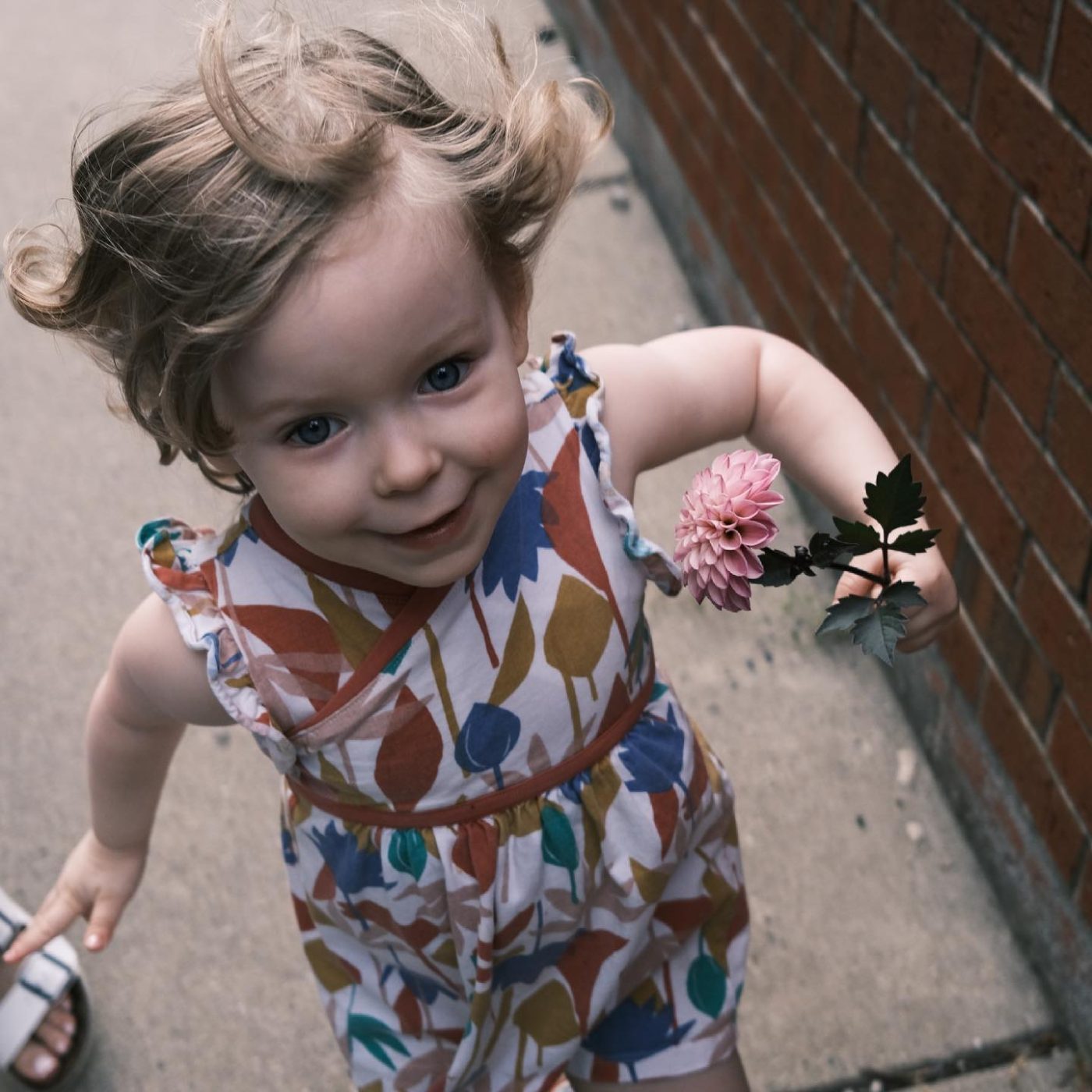
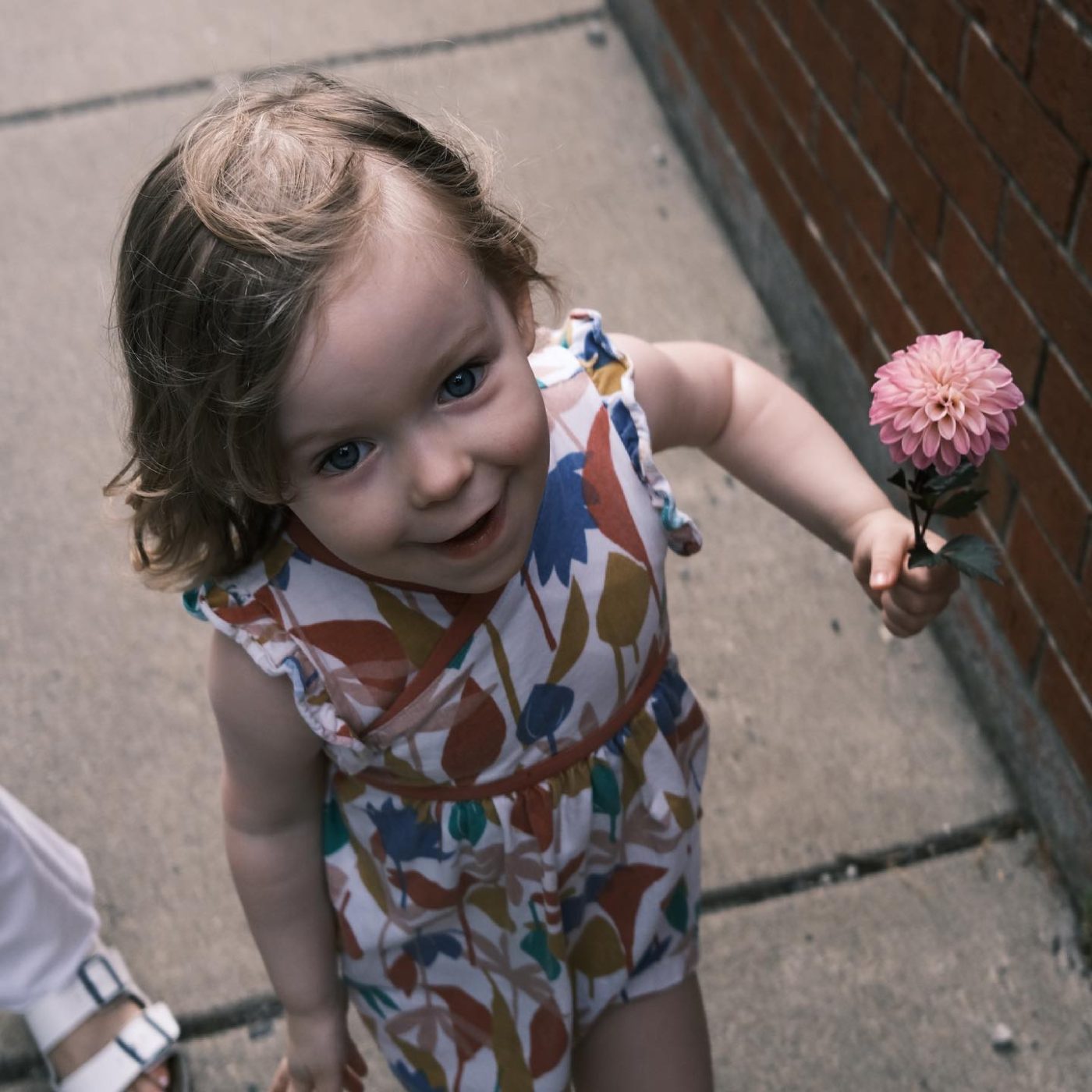
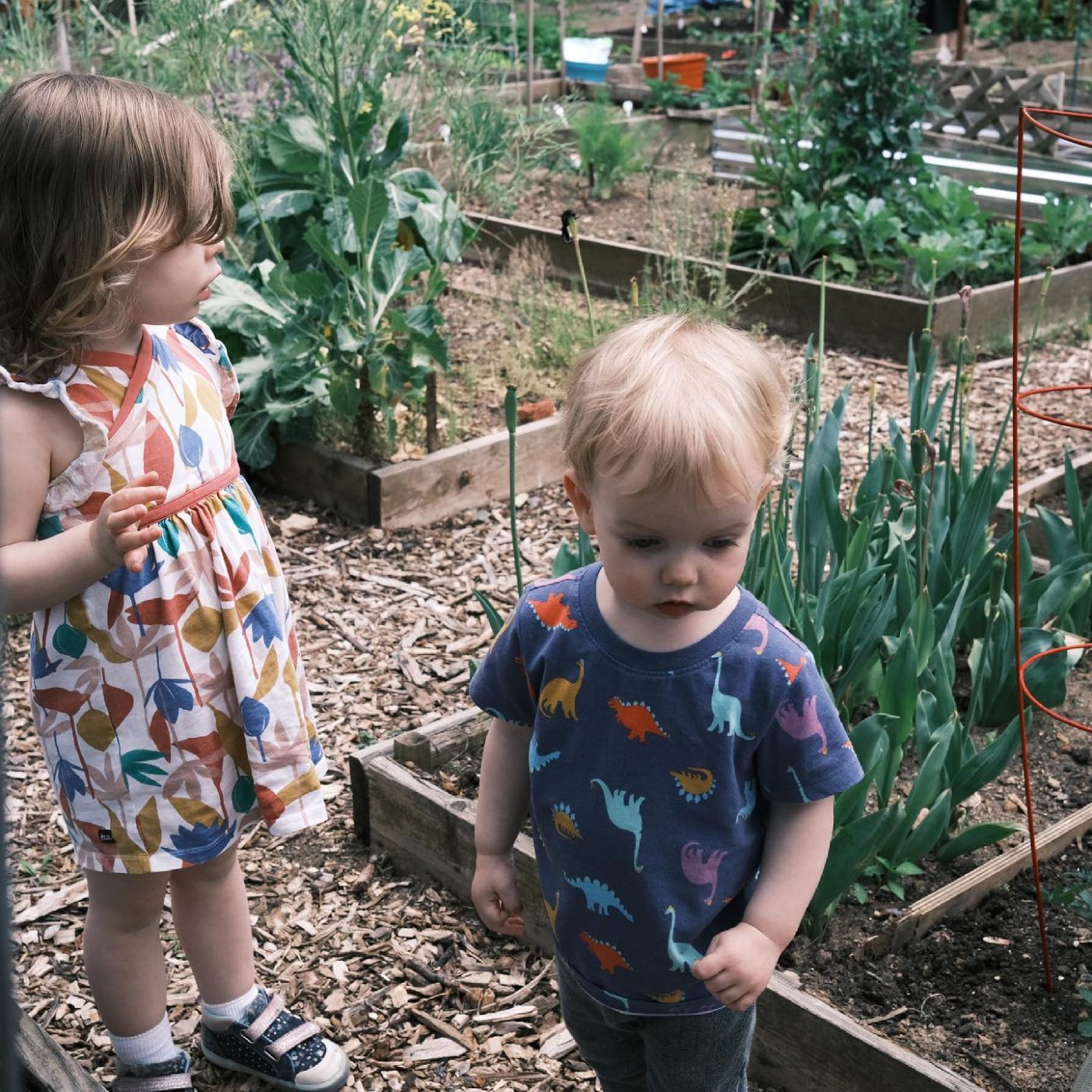
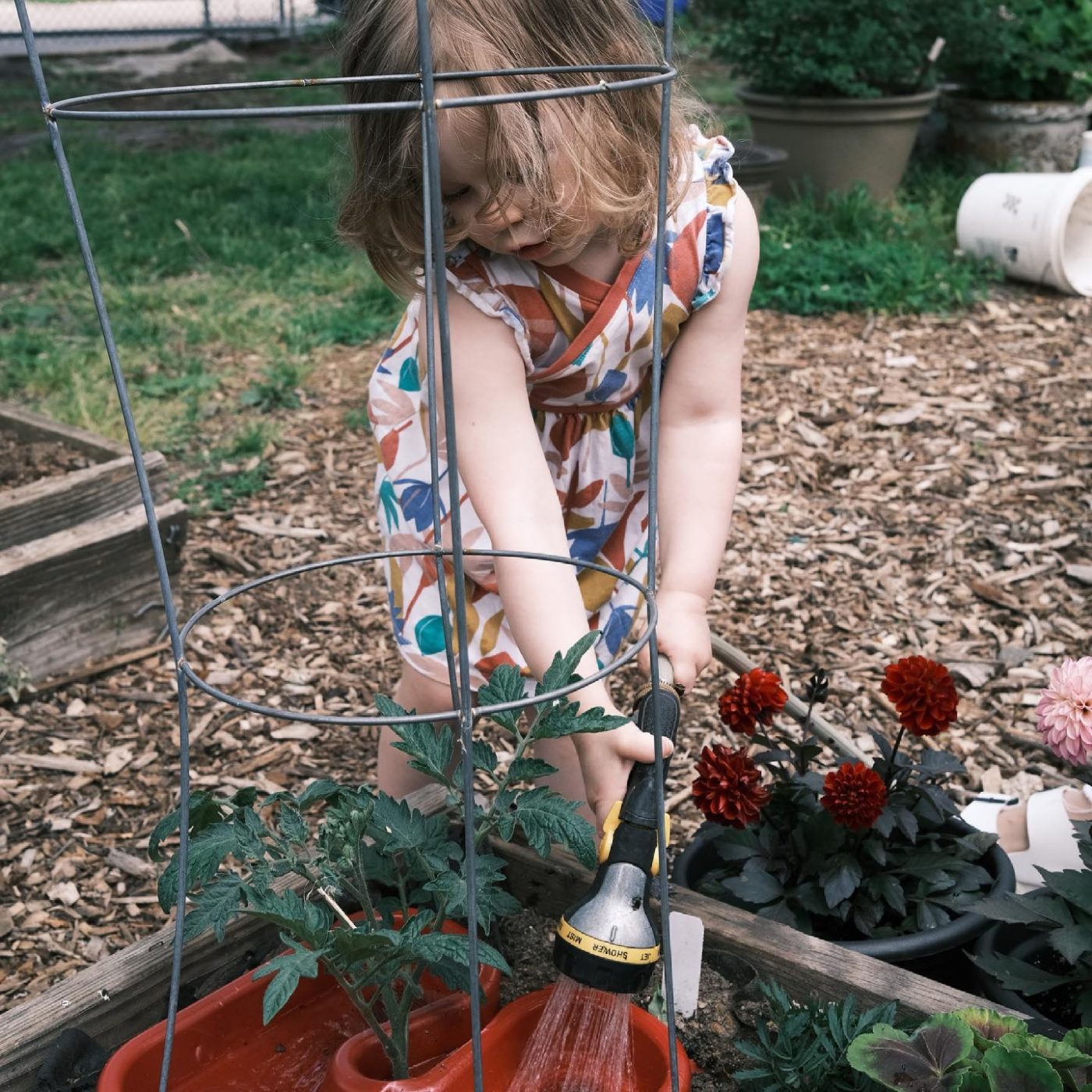
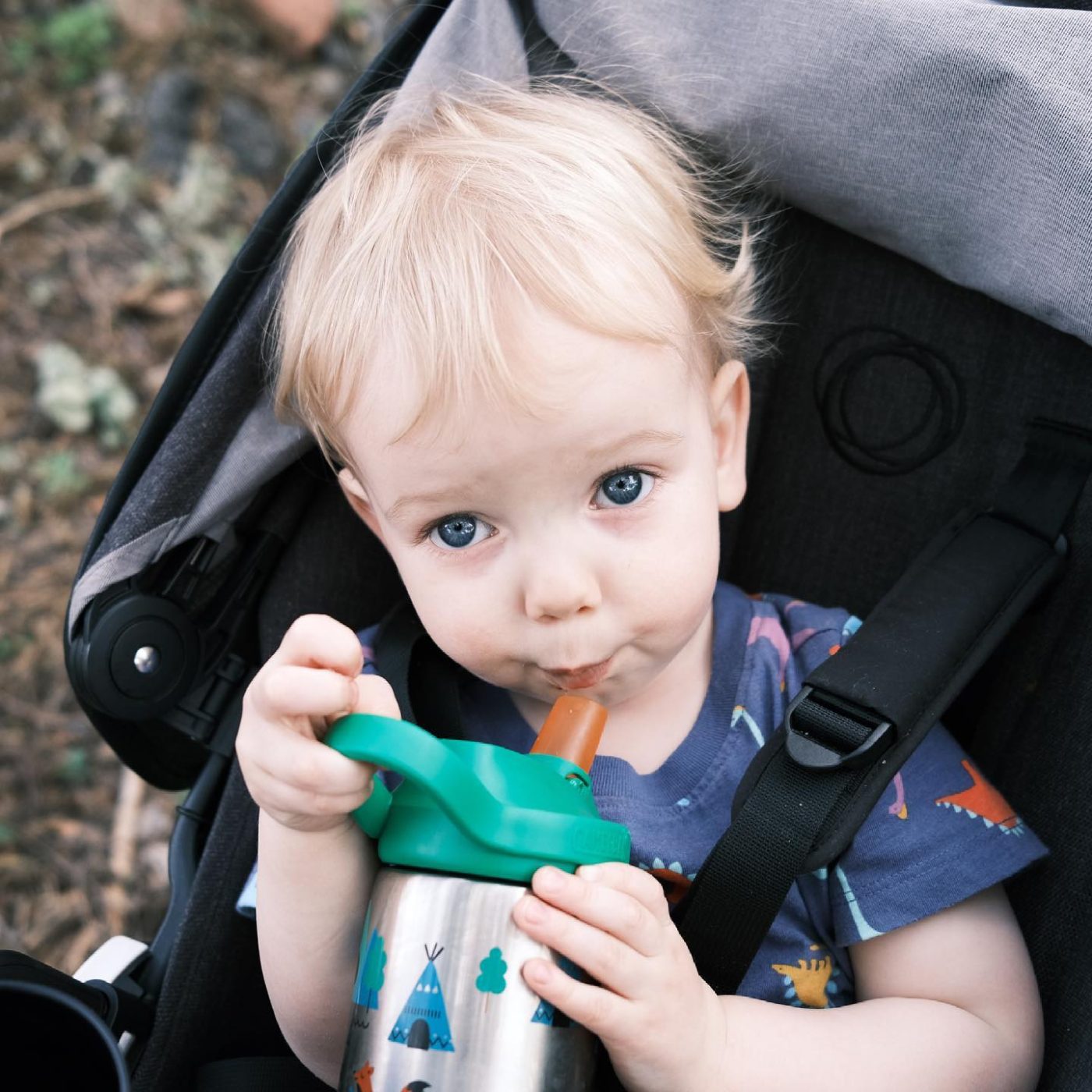
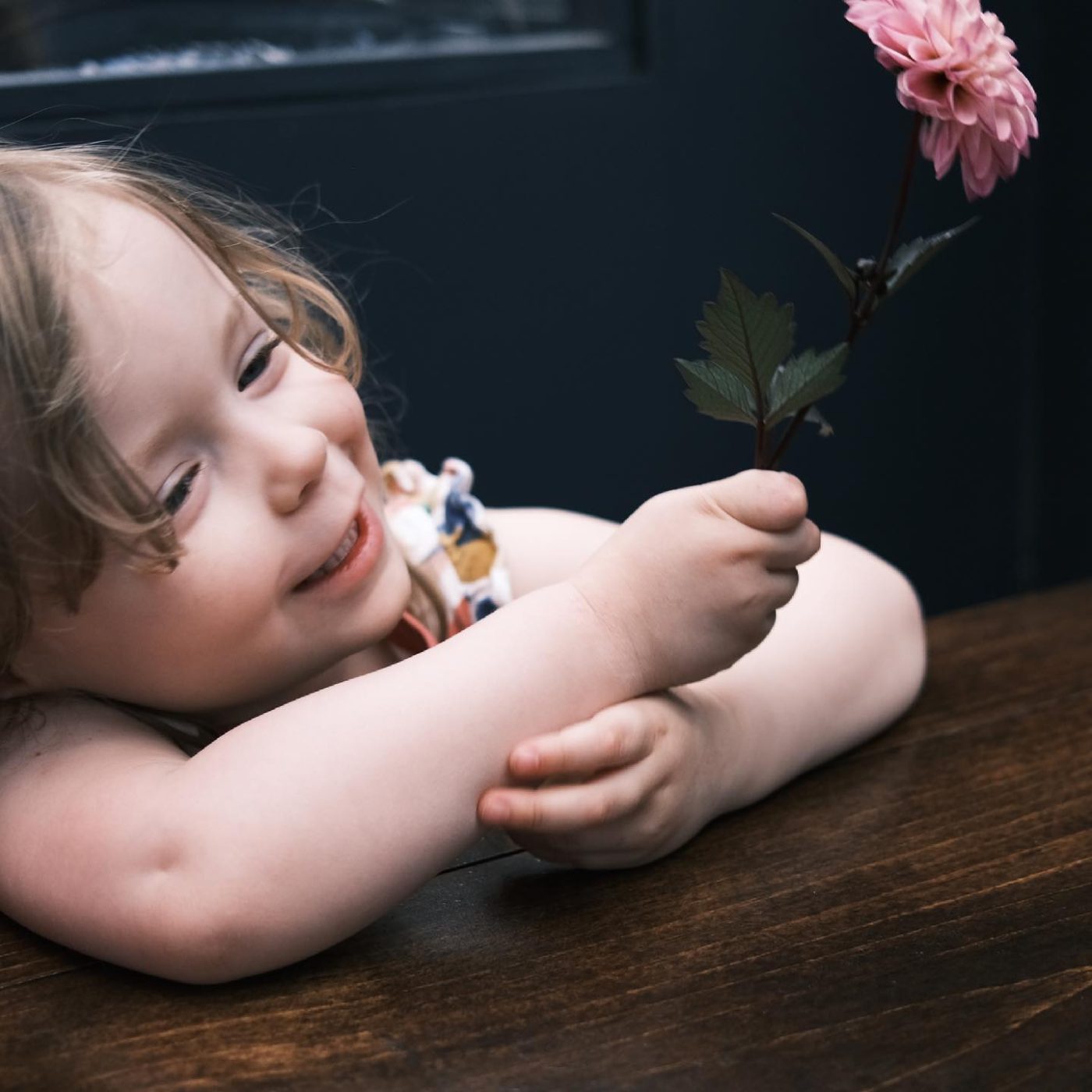
Louisa picked a flower from mommy’s garden plot.


-
Top-down vs. Bottom-up
This culture likes to turn everything into top-down structures.
A top-down structure has its place but it will always be against the grain and therefore unhelpful and unsustainable outside of extreme moderation.
A bottom-up structure is with the grain. 👇
This principle applies to every process of management, strategy, design, organizing, thinking, learning, everything we do. When you try to enforce a structure from the top down first, you will almost certainly fail.
If you don’t fail, you will likely be spawning externalities you are completely unaware of and causing collateral damage because you did not let the base and all other parts of the structure inform how it should work.
A top-down structure is “Let them eat cake.”
It’s an aloof, blind confidence that one understands the full complexity of something as large as a society or as “small” as a company without actually hearing from/deeply collaborating with each of the roles and component parts.
At the end of a process when constraints are at their peak, when everything must coalesce into This Outcome by 5pm, by this time is when top-down must have earned the trust to take over, direct the troops, put the pieces in place, take the hill, deliver the package, run the play.
If that trust has not yet been earned, top-down can be brute-forced, but eventually everything will crumble and everyone will die.
A bottom-up structure is what naturally occurs when you’re open and curious. It’s how things work. It’s how we learn.
A bottom-up structure should be the standard at all times until the moment there’s a decision, an end.
Then do it, quickly, and get back to listening.
-
Top-down vs. Bottom-up
I wrote some thoughts about top-down structures, their place, and why most everywhere is NOT their place.
This culture likes to turn everything into top-down structures.
A top-down structure has its place but it will always be against the grain and therefore unhelpful and unsustainable outside of extreme moderation.
A bottom-up structure is with the grain. 👇
This principle applies to every process of management, strategy, design, organizing, thinking, learning, everything we do. When you try to enforce a structure from the top down first, you will almost certainly fail.
If you don't fail, you will likely be spawning externalities you are completely unaware of and causing collateral damage because you did not let the base and all other parts of the structure inform how it should work.
A top-down structure is "Let them eat cake."
It's an aloof, blind confidence that one understands the full complexity of something as large as a society or as "small" as a company without actually hearing from/deeply collaborating with each of the roles and component parts.
At the end of a process when constraints are at their peak, when everything must coalesce into This Outcome by 5pm, by this time is when top-down must have earned the trust to take over, direct the troops, put the pieces in place, take the hill, deliver the package, run the play.
If that trust has not yet been earned, top-down can be brute-forced, but eventually everything will crumble and everyone will die.
A bottom-up structure is what naturally occurs when you're open and curious. It's how things work. It's how we learn.
A bottom-up structure should be the standard at all times until the moment there's a decision, an end.
Then do it, quickly, and get back to listening.
-
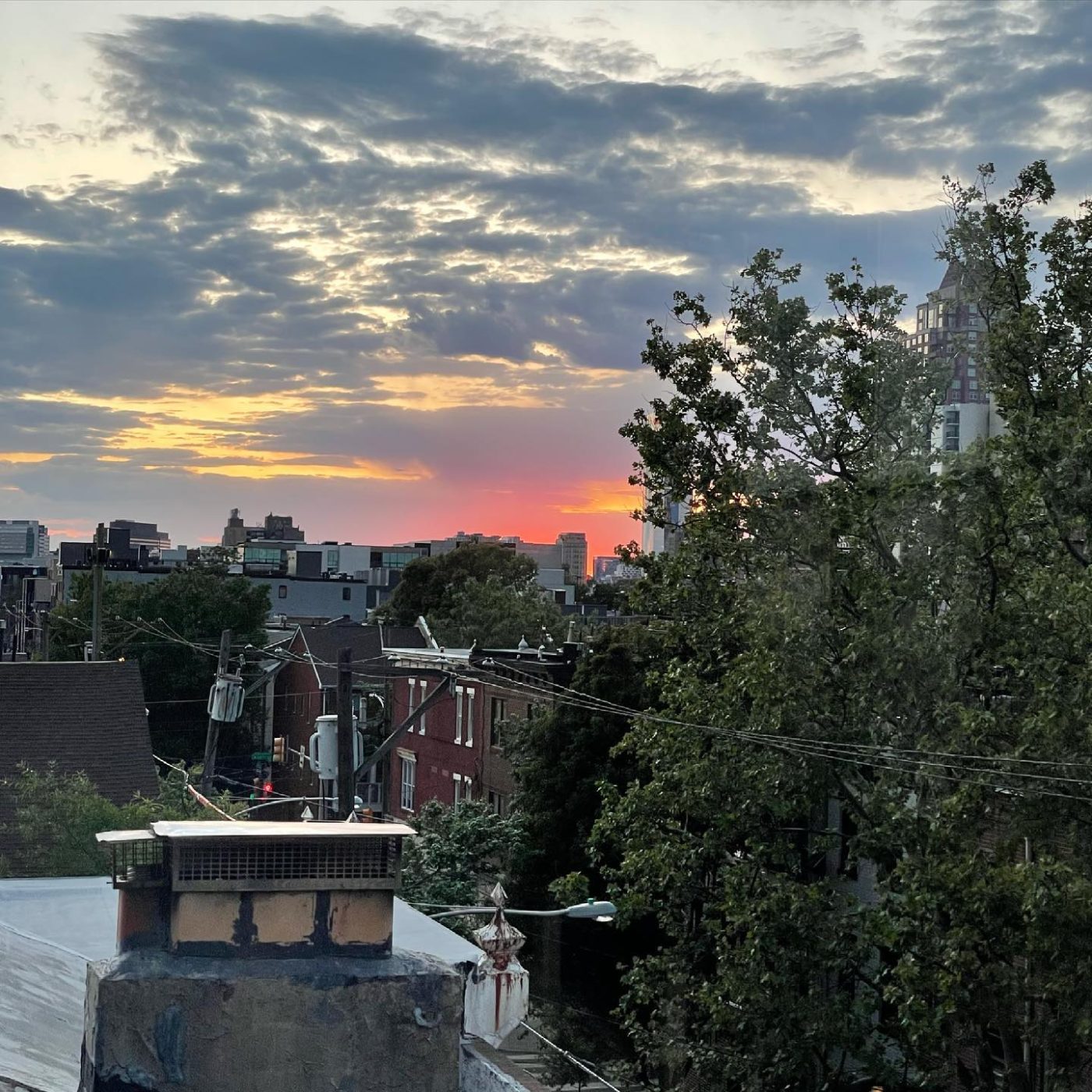
Sunsets over the city.
-
Take Everything Bad, Make It Good
Drug addicts (who for reasons use the term “alcoholic” primarily/interchangeably) are usually defined as people who can’t control their drug use. “They start out to have a good time and then it’s a shit show.”
The words “to have a good time” are doing a lot of work here. 👇
This is the trope: The alcoholic’s great obsession is that he will one day be able to control and enjoy some nice, fun drinks and drugs.
This is basically a lie because the word “enjoy” is poorly defined.
I don’t talk about it a lot, but one important part of my story (and identity) is that I’ve been sober for 18+ years. Addicts aren’t a monolith but we sure do have opinions about addicts. This one is mine.
We’ll get back to this concept of “enjoyment” in a moment.
Now, many of my fellow addicts will stop me here to say something like “I never wanted to drink/drug in moderation, I always wanted to get drunk.” Okay, sure, fine, that’s one reason why this trope is wrong, but I think there’s a reason that gets closer to the source.
To a person, addicts’ stories of falling in love with booze and drugs (we all fell in love) includes this honeymoon period, however brief, where these substances made them feel “good.” Made them feel “okay… finally.”
They describe this experience in many different ways.
Let me sum up the collective stories: “Alcohol/drugs took everything in my life, feelings, fears, worries, doubts, inadequacies, relationships, and my whole world… It took everything that was BAD, and it made it GOOD.”
I guess you could call that “enjoyment”? “A good time”?
This is the thing about addicts: We’re asking a lot of the drug, because it worked once. It really worked. It took everything that was bad in the universe, and it made it good. And then it stopped doing that.
Drugs weren’t fun once and then they stopped being fun… Drugs were the mystical elixir of the gods once and at some point they stopped washing away all the evils of the world in a single flurry of magic.
The great obsession of the alcoholic isn’t that some day he will be able to “enjoy” drinking. The great obsession is that there exists a magical thing that can take all this pain and longing and unworthiness and make it all go away in an instant.
We’ve seen it. We just had it.
-
Take Everything Bad, Make It Good
I wrote about looking at addiction from a different angle that might help the layman understand this baffling thing better.
Drug addicts (who for reasons use the term "alcoholic" primarily/interchangeably) are usually defined as people who can't control their drug use. "They start out to have a good time and then it's a shit show."
The words "to have a good time" are doing a lot of work here. 👇
This is the trope: The alcoholic's great obsession is that he will one day be able to control and enjoy some nice, fun drinks and drugs.
This is basically a lie because the word "enjoy" is poorly defined.
I don't talk about it a lot, but one important part of my story (and identity) is that I've been sober for 18+ years. Addicts aren't a monolith but we sure do have opinions about addicts. This one is mine.
We'll get back to this concept of "enjoyment" in a moment.
Now, many of my fellow addicts will stop me here to say something like "I never wanted to drink/drug in moderation, I always wanted to get drunk." Okay, sure, fine, that's one reason why this trope is wrong, but I think there's a reason that gets closer to the source.
To a person, addicts' stories of falling in love with booze and drugs (we all fell in love) includes this honeymoon period, however brief, where these substances made them feel "good." Made them feel "okay... finally."
They describe this experience in many different ways.
Let me sum up the collective stories: "Alcohol/drugs took everything in my life, feelings, fears, worries, doubts, inadequacies, relationships, and my whole world... It took everything that was BAD, and it made it GOOD."
I guess you could call that "enjoyment"? "A good time"?
This is the thing about addicts: We're asking a lot of the drug, because it worked once. It really worked. It took everything that was bad in the universe, and it made it good. And then it stopped doing that.
Drugs weren't fun once and then they stopped being fun... Drugs were the mystical elixir of the gods once and at some point they stopped washing away all the evils of the world in a single flurry of magic.
The great obsession of the alcoholic isn't that some day he will be able to "enjoy" drinking. The great obsession is that there exists a magical thing that can take all this pain and longing and unworthiness and make it all go away in an instant.
We've seen it. We just had it.
-
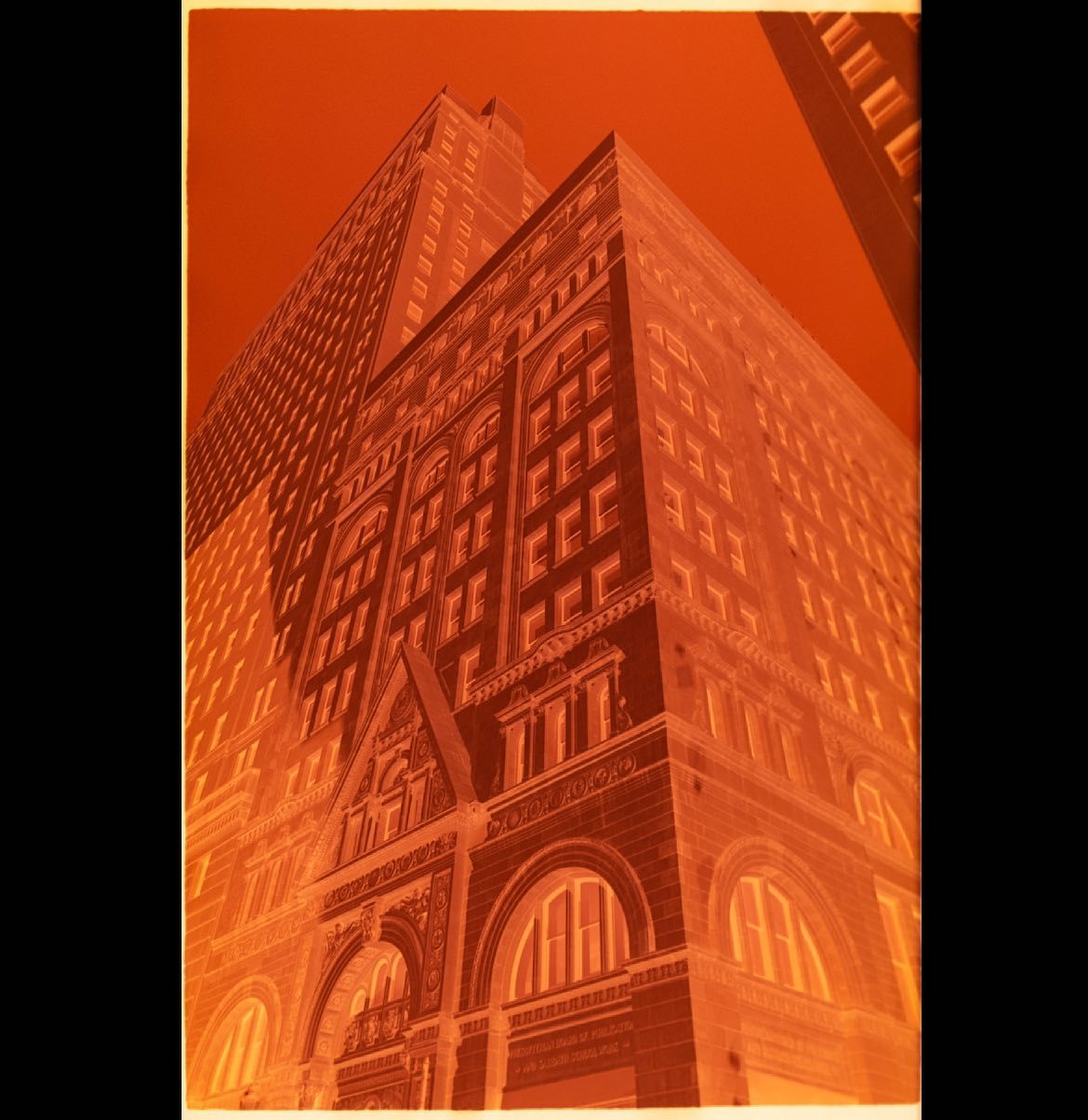
Some pictures look cooler as negatives.
-
Fleeting Note Formats
One of the implications of @beauhaan’s take on Fleeting Notes that I’m super excited about (and I’m jumping ahead and Beau may disagree) is a meaningful and referenceable space for unstructured thoughts in different formats, like handwriting, pictures, and recordings. 👇
The science indicates that writing notes by hand is beneficial, and I will offer anecdotally that this is true for slowing down the brain, which feels amazing and generates insights of higher quality more reliably.
Also, it sure is nice to get away from screens for a minute.
My attempts to go analog have ultimately succumbed to the compromise that structure and searchability are more important than the many good reasons I’d rather read comfortably with pen (actual pen) in hand.
But Fleeting Notes have no preference to format.
Because Fleeting Notes are fully divergent, encouraging me to explore any direction my mind goes, there’s no reason they can’t include pictures of index cards or pages in a notebook or a picture of a door knob that spontaneously arises and feels right in that moment.
If I were just capturing all these formats and stuffing them together into a folder with some kind of category name on it, I would be taking a filing system that’s already tedious and dubiously helpful and adding materials to it that are even harder to find than typed notes.
But with Fleeting Notes, allowing an inspiration or sparkly noticing to prompt any number of divergent threads, knowing that later I will diverge further and then surface from them some meaning, connecting them to my larger map…
I can do whatever I want in the Fleeting Notes!
And here’s the thing: I’m not building a Zettelkasten because I want to have The Best, Correct, Pressure-Tested Thoughts. No. I’m looking forward to the way those high-level thoughts can lead me back down to the stuff in my Fleeting Notes.
I like that stuff.
The Zettelkasten for me represents less a refinement > refinement > cream-rising-to-the-top model of getting to the Most High Quality Thinking™. No, most of my best ideas arise spontaneously when I am most unserious and playful.
What rises to the top of a Zettelkasten is a structure that can lead me back down to something valuable at precisely the right moment.
That is the holy of holies for me. At least right now.
-
Fleeting Note Formats
I wrote about an incredible thing that Beau Haan's Zettelkasten Fleeting Notes method unlocks.
One of the implications of @beauhaan's take on Fleeting Notes that I'm super excited about (and I'm jumping ahead and Beau may disagree) is a meaningful and referenceable space for unstructured thoughts in different formats, like handwriting, pictures, and recordings. 👇
The science indicates that writing notes by hand is beneficial, and I will offer anecdotally that this is true for slowing down the brain, which feels amazing and generates insights of higher quality more reliably.
Also, it sure is nice to get away from screens for a minute.
My attempts to go analog have ultimately succumbed to the compromise that structure and searchability are more important than the many good reasons I'd rather read comfortably with pen (actual pen) in hand.
But Fleeting Notes have no preference to format.
Because Fleeting Notes are fully divergent, encouraging me to explore any direction my mind goes, there's no reason they can't include pictures of index cards or pages in a notebook or a picture of a door knob that spontaneously arises and feels right in that moment.
If I were just capturing all these formats and stuffing them together into a folder with some kind of category name on it, I would be taking a filing system that's already tedious and dubiously helpful and adding materials to it that are even harder to find than typed notes.
But with Fleeting Notes, allowing an inspiration or sparkly noticing to prompt any number of divergent threads, knowing that later I will diverge further and then surface from them some meaning, connecting them to my larger map…
I can do whatever I want in the Fleeting Notes!
And here's the thing: I'm not building a Zettelkasten because I want to have The Best, Correct, Pressure-Tested Thoughts. No. I'm looking forward to the way those high-level thoughts can lead me back down to the stuff in my Fleeting Notes.
I like that stuff.
The Zettelkasten for me represents less a refinement > refinement > cream-rising-to-the-top model of getting to the Most High Quality Thinking™. No, most of my best ideas arise spontaneously when I am most unserious and playful.
What rises to the top of a Zettelkasten is a structure that can lead me back down to something valuable at precisely the right moment.
That is the holy of holies for me. At least right now.
-
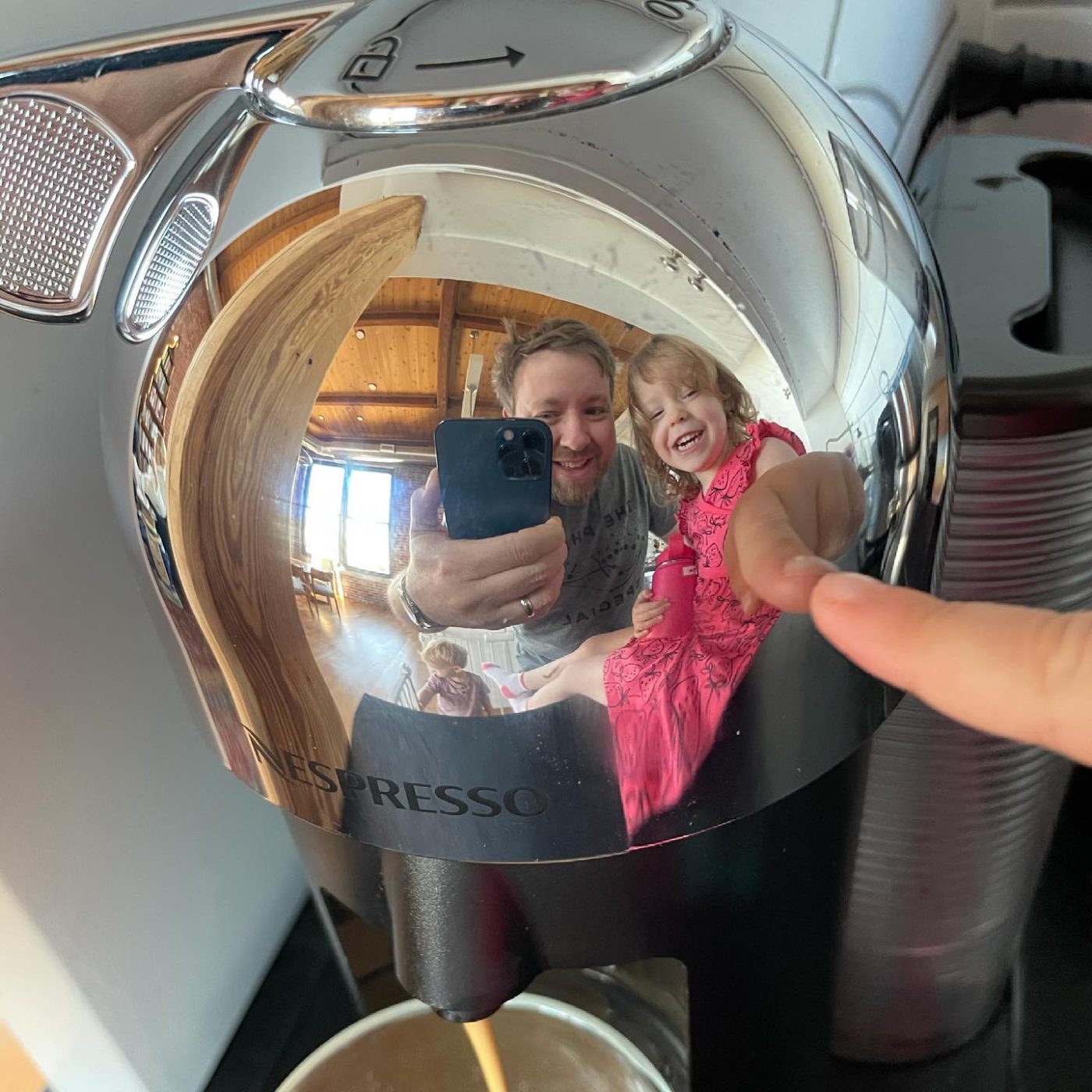
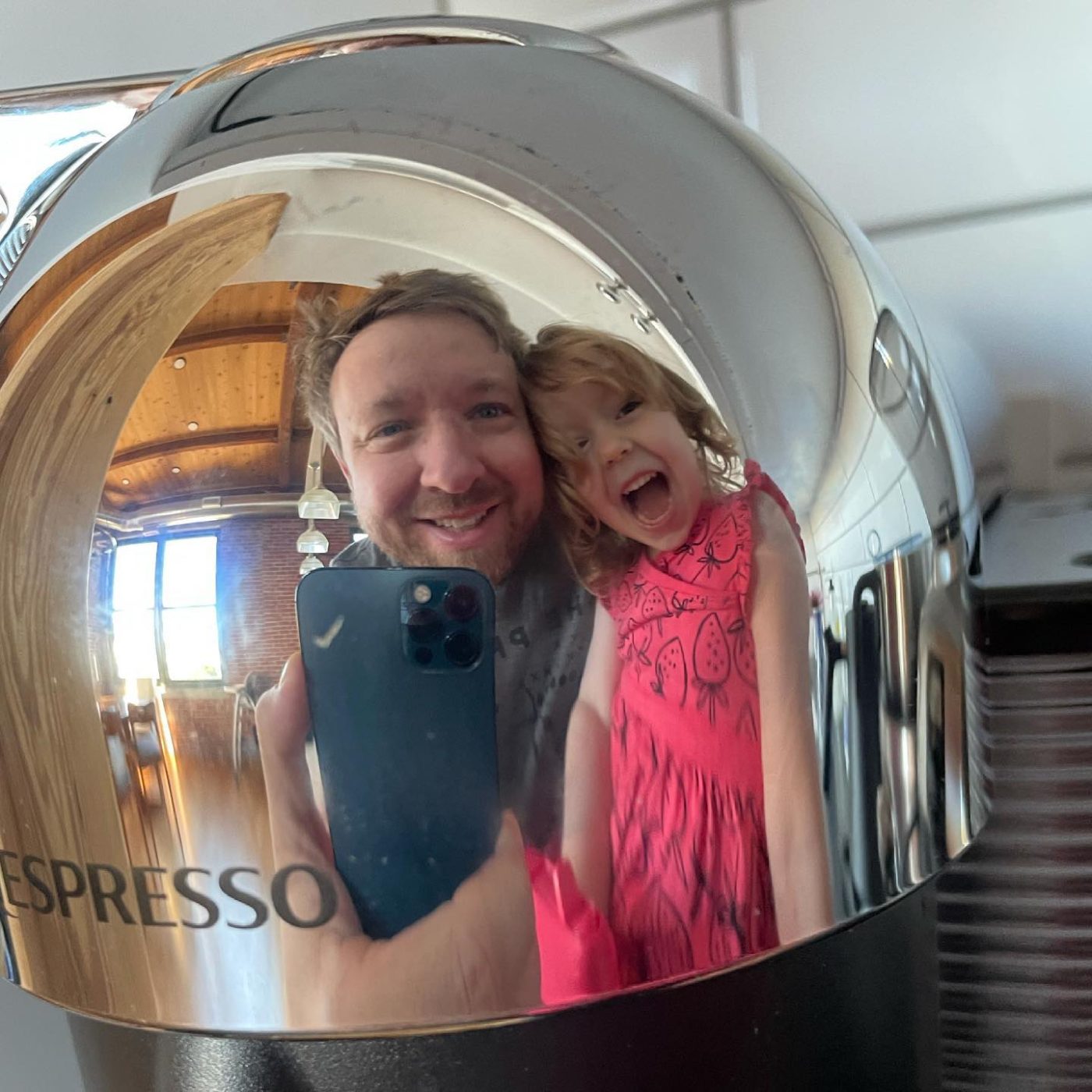
Louisa loves helping make the coffee. Very complicated process with @nespresso.
-
Tom’s Studio
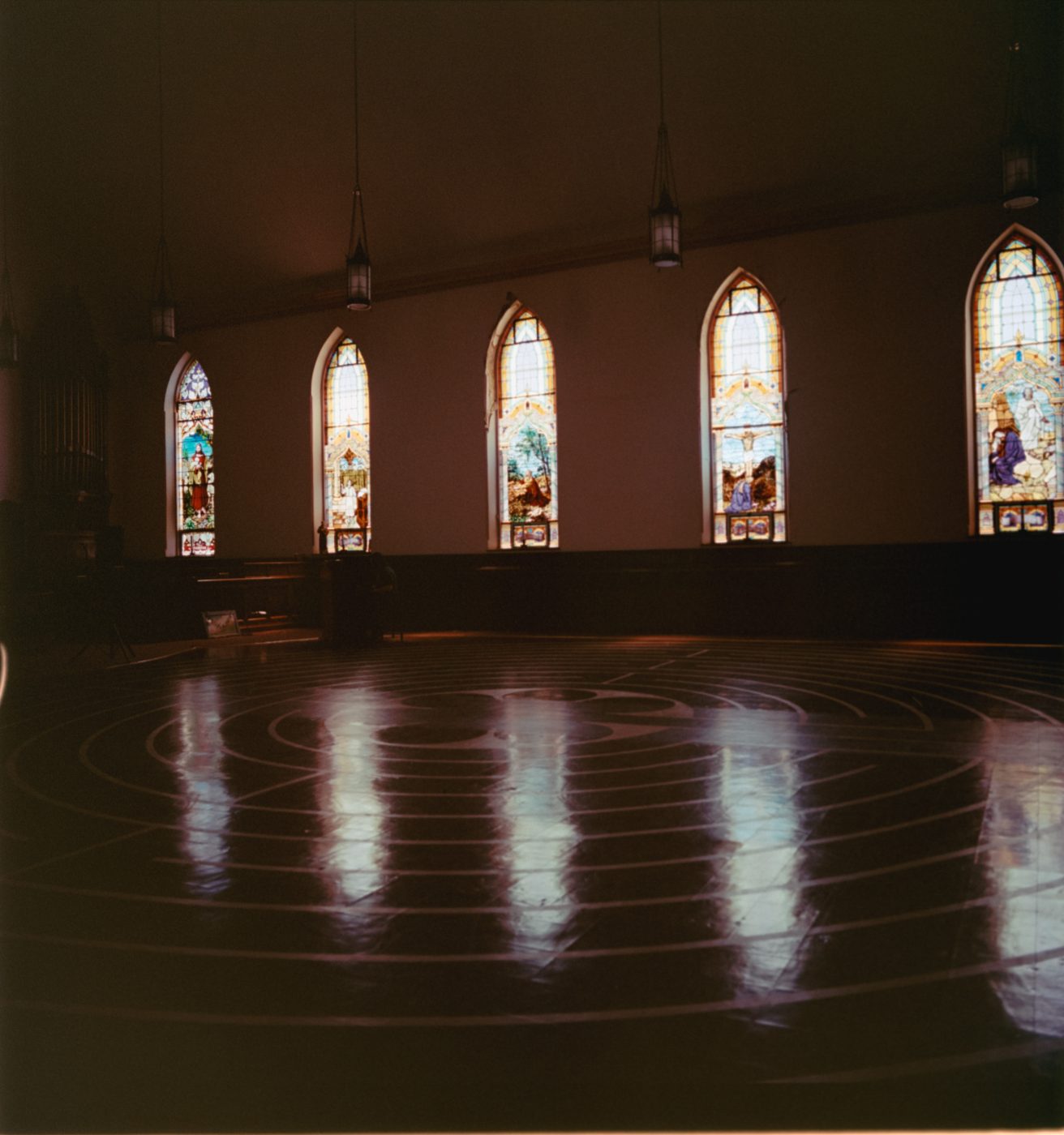
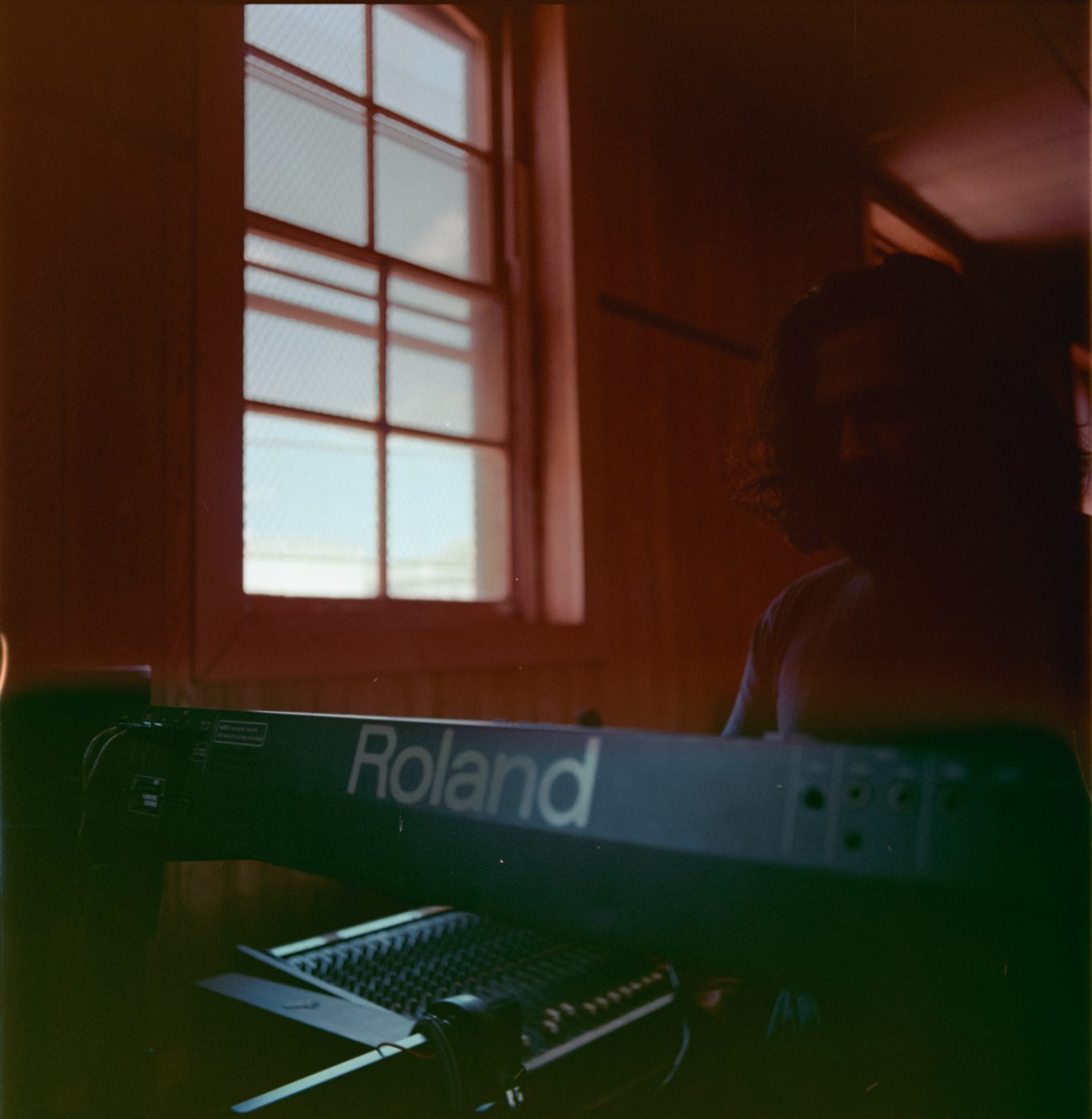
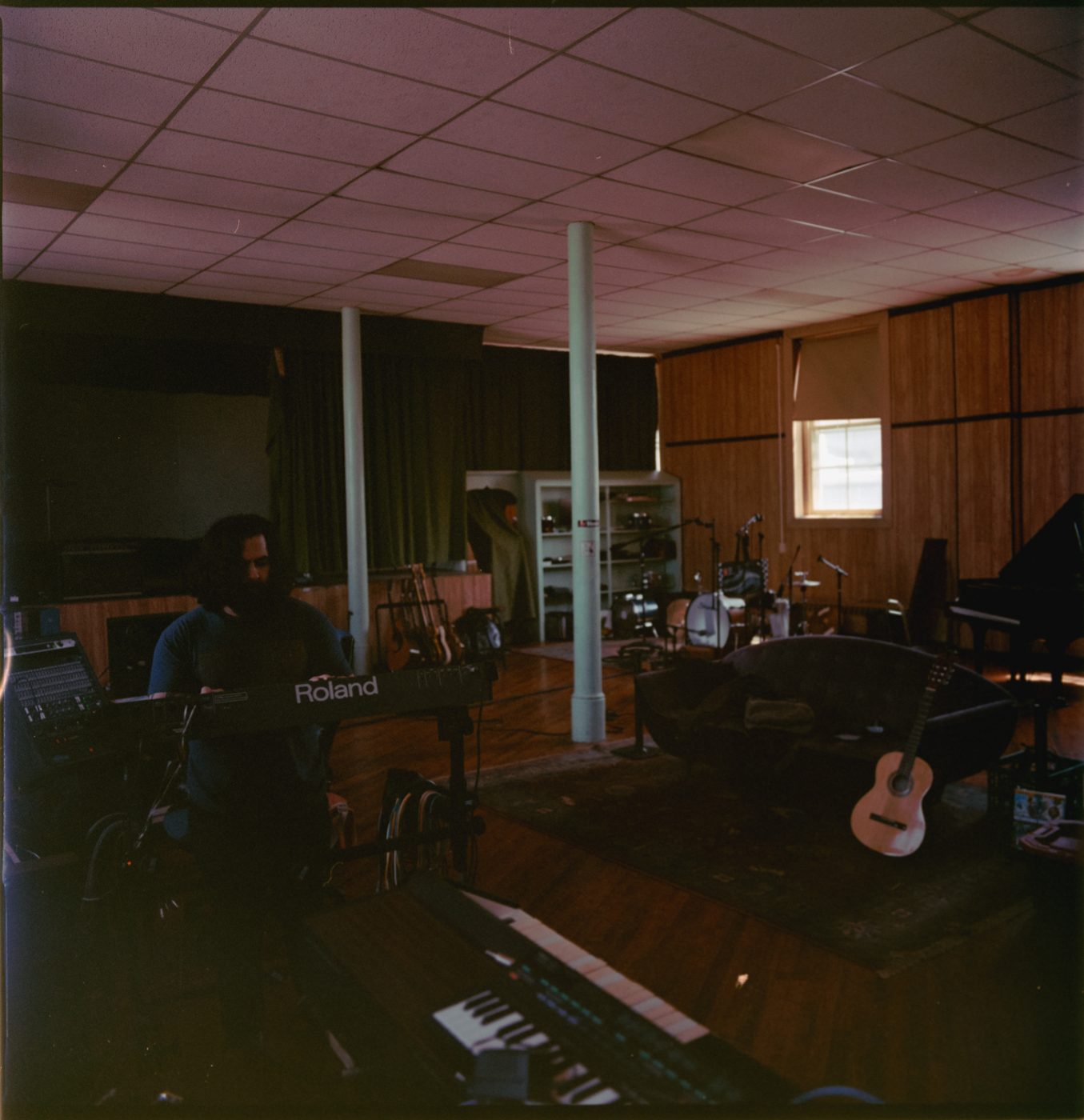
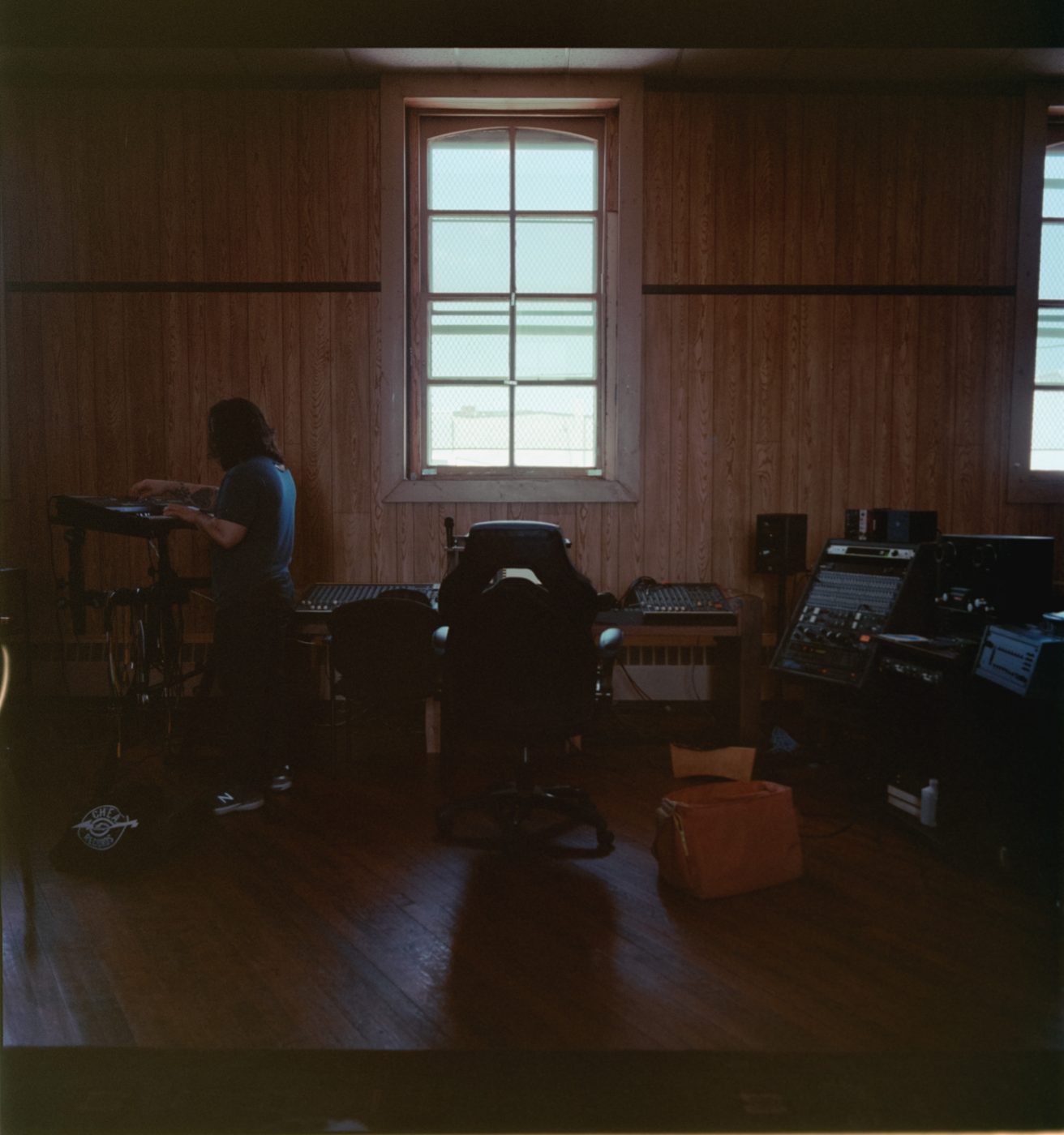
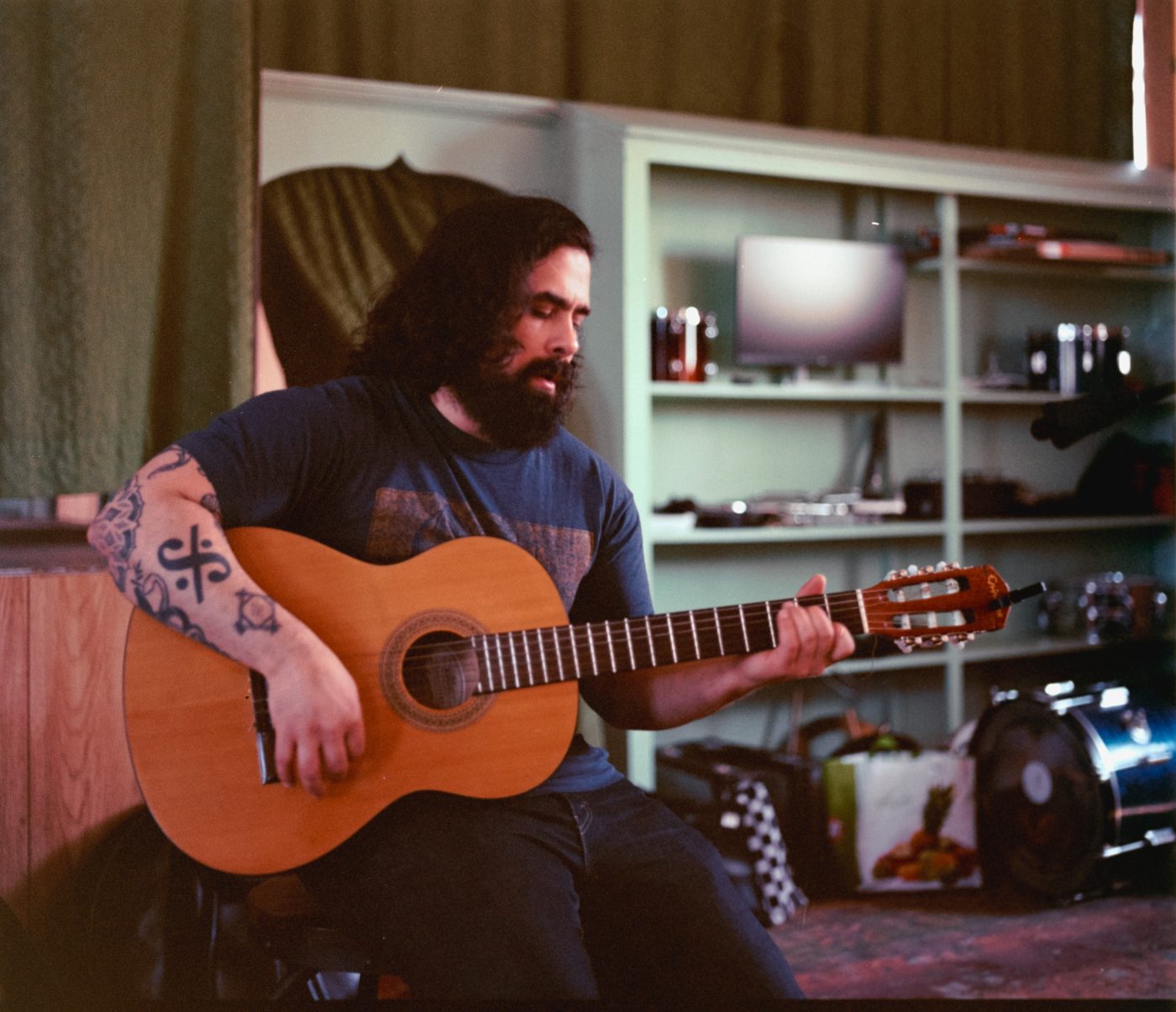
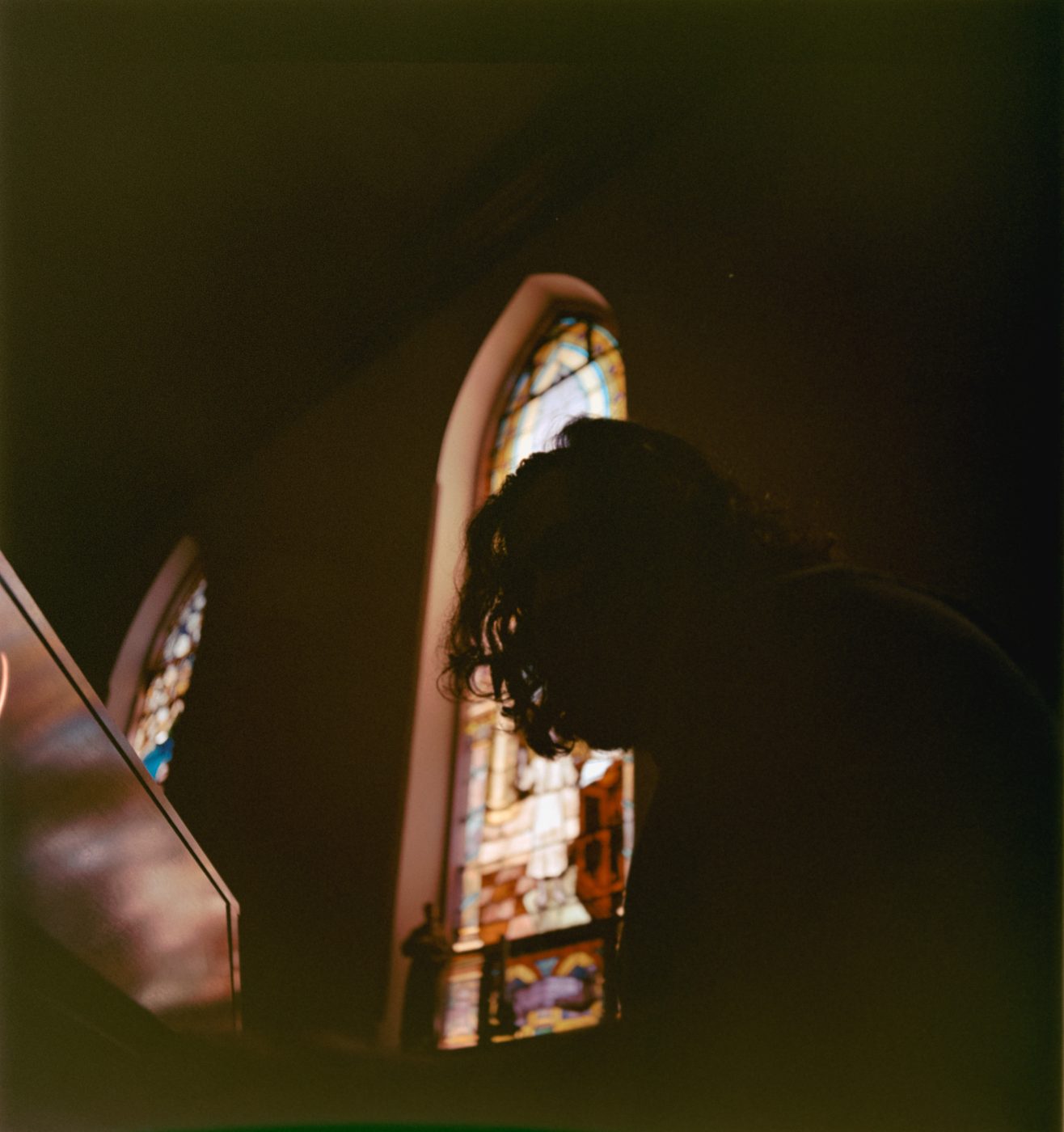
My friend Tom was looking for a place to set up a serious recording studio, and I think he’s found the coolest possible space: An 1800s Lutheran Church.
He makes music under the moniker Thantaphobe, and he’s got great songs, some gnarly analog synthesizers, cool microphones, and a WHOLE. GODDAMN. CHURCH.
When we walked into the sanctuary he said “This is the reverb room.”
(By the way, it’s hard to shoot photos indoors and I haven’t pushed film yet so sorry these are so dark and moody, though I’m not saying that doesn’t fit some of Tom’s vibes).
In case you were wondering, yes, there’s also a 100-year-old organ the size of a house, in there, but it’s currently not functioning.
All in good time.
Nothing is cooler than when a space that has been lying fallow for years finds an ideal use. I’m very glad this church found Tom.


-
Tom's Studio
I wrote about my buddy Tom's amazing recording studio in an unlikely location. -
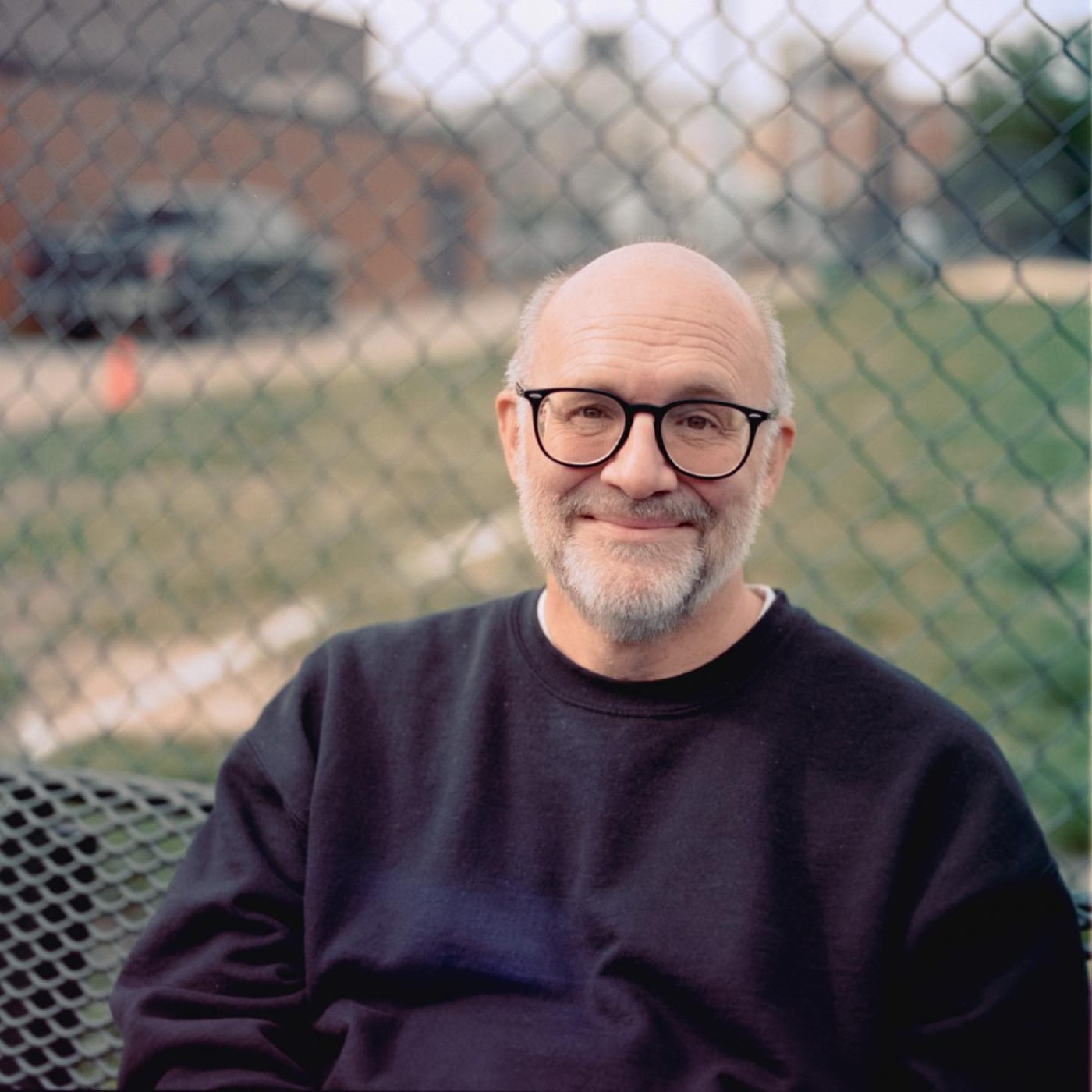
Michael at Palumbo.
#hasselblad500c #80mm #cinestill50d #cinestillchemistry
-
Non-Coercive Perseverance
One of the only things that has felt incongruous with the non-coercive self-discipline regime I’ve fallen in love with over the past year (because it has worked incredibly well) is my past experience “pushing through” total overwhelm—taking the next step. 👇
This type of advice, “When you’re going through hell, keep going” is fundamentally great, sound advice, but it feels out of line with non-coercion. It feels like “Make yourself do it even though you’re feeling discouraged.”
I’m happy to report I have not found this to be the case, but it’s all about being aware of the framing.
When I’m bound up, discouraged, paralyzed with fear and anxiety, taking one more easy step is the most non-coercive measure I can take.
When I’m in that stormy cage of peril and the bears are coming to eat me, that storm itself is full of coercive, self-loathing messages: “You fucked up again, you’re no good, you really need to get your shit together, you BETTER DO THE RIGHT THING NEXT.”
In those moments, none of those messages are helpful at all, and they represent the death spiral that I need to escape from. Adding another pushypushpush message on top of that roaring fire doesn’t help me.
“Take one small, easy (easy) step forward.”
“Call a friend. Have a cry. Journal about it. Take a small walk. Hug your kid. Do one, small, easy (very easy) step.” I believe this is the same non-coercive technique. It isn’t misaligned at all with rejecting notions of Work Harder™ and Try Harder™.
I also believe that this scales up and down to all kinds of human suffering.
I’m not saying that it’s always possible. Sometimes the suffering is just too much. I’m also not saying that it always works even when it is possible…
But one actually small, actually easy step is the most humane, non-forcing advice that applies to extreme periods of overwhelm.
Just watch out for “C’mon, you can’t even take one, small, easy step?!” That’s the wrong guy.
-
Processing Film At Home
I wrote about processing film at home, and there's a video of my film developing machine.
I've fallen in love with photography again thanks to shooting film, but there are some practical things that I've needed to implement (still easier for me than shooting digital, by the way).
One of these practical things is that I can now develop my own film. 👇
By the way, developing black and white film at home is easy. They even have monobaths now where it only takes a few minutes and one chemical.
Color is more complicated...
What makes color complicated is that the chemicals need to be at a precise temperature. People do this with sous-vide implements and setting up a whole chemistry lab in their kitchen or bathroom...
I'm at a point in my life (and my wife's life) where I can't do that.
When you're shooting as much film as I am, the cost adds up quickly. But the cost is only half of the problem.
The waiting... is the hardest part.
Too soon?
Now you say "But with film, the waiting is half the fun!"
That's true... But I don't want to wait on someone else's schedule.
And the anticipation is actually so much better when you do it yourself and reveal those negatives.
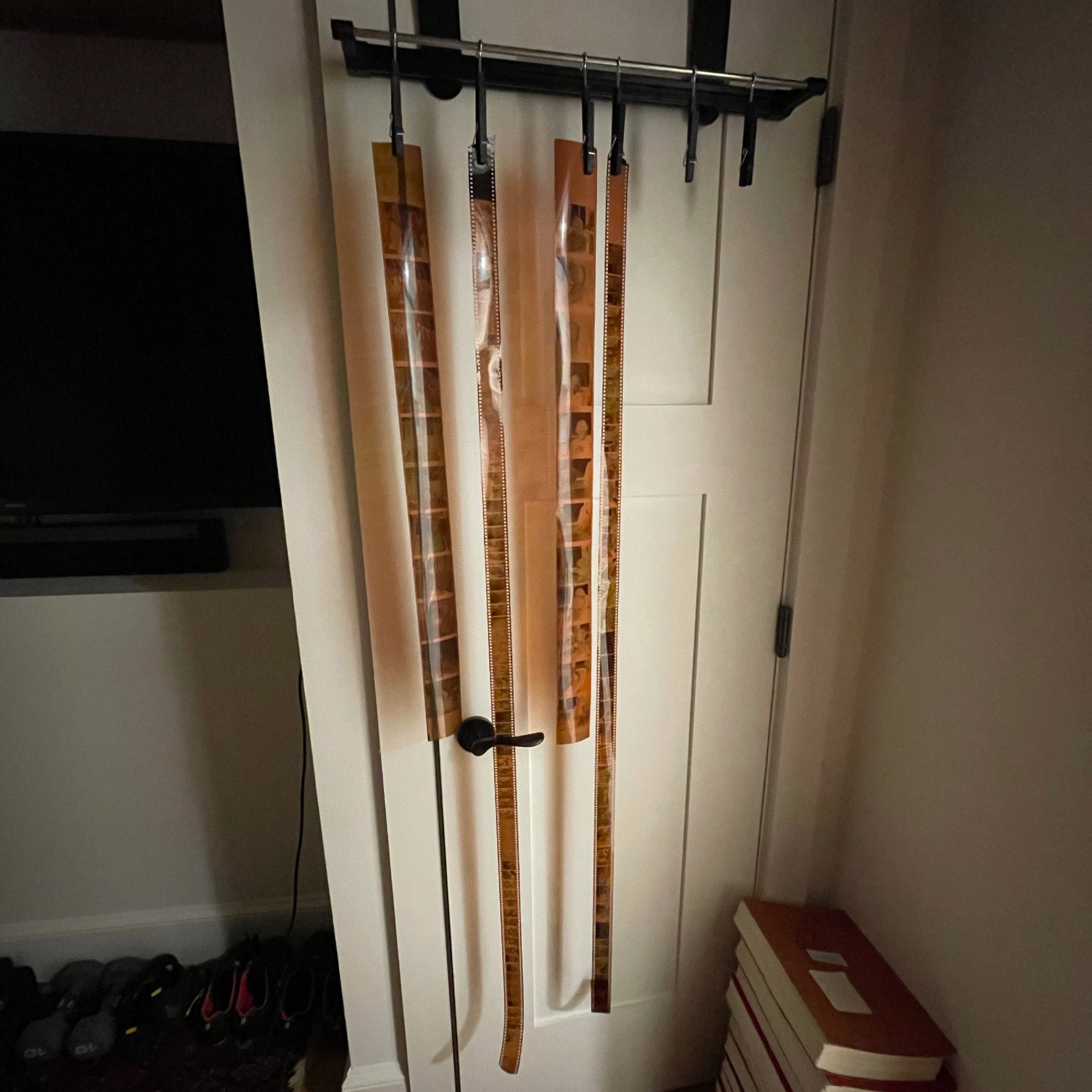
So in order to do this at home without taking over our kitchen or leaving any smelly hazardous chemicals around my house, I got this amazing device called the Filmomat, which looks like a piece of hifi audio gear (but doesn’t cost quite as much).
This device was created by a German engineering student who got mad one day that a lab messed up his film so he built the best and most beautiful automatic home film processor in the world.
I love stories like that. That’s how most great things come to be.
The Filmomat cleans itself, lets me run 4 rolls at a time (or 2 35mm and 2 medium format), and I can do color, black and white, or slide film (haven’t done slide film yet).
It’s not like this takes no work. You still have to go in the dark to spool your film and get it in the tank and you need to mix up chemicals to use, but this machine makes it possible_ for me to do this at home.
As an added benefit, I get to offer friends and family the gift of reconnecting with photography on film as I have, and I can process and scan for them.
I know this won’t happen, but I hope that everyone who ever loved or fancied or liked photography will one day pull their grandma’s old Pentax out of the attic (it still works, guys) and shoot a roll of film and feel that magic.
At least I can help loved ones who will.
-
Non-Coercive Perseverance
I wrote about one thing that I thought didn't line up with this non-coercive productivity thing I've been blathering on about.
One of the only things that has felt incongruous with the non-coercive self-discipline regime I've fallen in love with over the past year (because it has worked incredibly well) is my past experience "pushing through" total overwhelm—taking the next step. 👇
This type of advice, "When you're going through hell, keep going" is fundamentally great, sound advice, but it feels out of line with non-coercion. It feels like "Make yourself do it even though you're feeling discouraged."
I'm happy to report I have not found this to be the case, but it's all about being aware of the framing.
When I'm bound up, discouraged, paralyzed with fear and anxiety, taking one more easy step is the most non-coercive measure I can take.
When I'm in that stormy cage of peril and the bears are coming to eat me, that storm itself is full of coercive, self-loathing messages: "You fucked up again, you're no good, you really need to get your shit together, you BETTER DO THE RIGHT THING NEXT."
In those moments, none of those messages are helpful at all, and they represent the death spiral that I need to escape from. Adding another pushypushpush message on top of that roaring fire doesn't help me.
"Take one small, easy (easy) step forward."
"Call a friend. Have a cry. Journal about it. Take a small walk. Hug your kid. Do one, small, easy (very easy) step." I believe this is the same non-coercive technique. It isn't misaligned at all with rejecting notions of Work Harder™ and Try Harder™.
I also believe that this scales up and down to all kinds of human suffering.
I'm not saying that it's always possible. Sometimes the suffering is just too much. I'm also not saying that it always works even when it is possible...
But one actually small, actually easy step is the most humane, non-forcing advice that applies to extreme periods of overwhelm.
Just watch out for "C'mon, you can't even take one, small, easy step?!" That's the wrong guy.
-
Profile Photos
I wrote about one of the strange (and only) things I'm unapologetically proud of work-wise.
I'm generally not proud of my work (not being melancholy, I think it's fine, some of it may even be okay-bordering-on-good, it's just my standards are high), but there is one thing that makes me proud: 50+ people have used a photo I took as their profile picture on Facebook. 👇
I HATE having my picture taken, and most people do. To be able to give a person a picture of them that they're even mildly happy with, let alone happy enough to put as the avatar that represents them online, that feels like I've done a real service.
About half are people I know, half are people I don't. I used to shoot professionally and I shot a lot of weddings, and photos I took there would pop up as a random guest's profile photo.
Those are some of the only moments where I could unequivocally say "I did a good job!"
Much of my psyche is characterized by a sense that I'm not doing enough, contributing enough... but every time I'd get that notification (thanks, whatever nerd was working in the belly of the beast at Facebook) I'd be like:

I was reminded of this by a friend who let me take his picture when we met at the playground while my kids were running around. He said the obligatory “I hate pictures of me” but when he saw the result, he liked it.
He may not make it his profile photo, but that’s enough.